What Is The Entry Fee For The Mt. John Observatory?
There is no separate entry fee for the Mt. John Observatory stargazing tour: the Summit Experience price covers coach transport and summit access. Here is what each Tekapo stargazing tour costs.
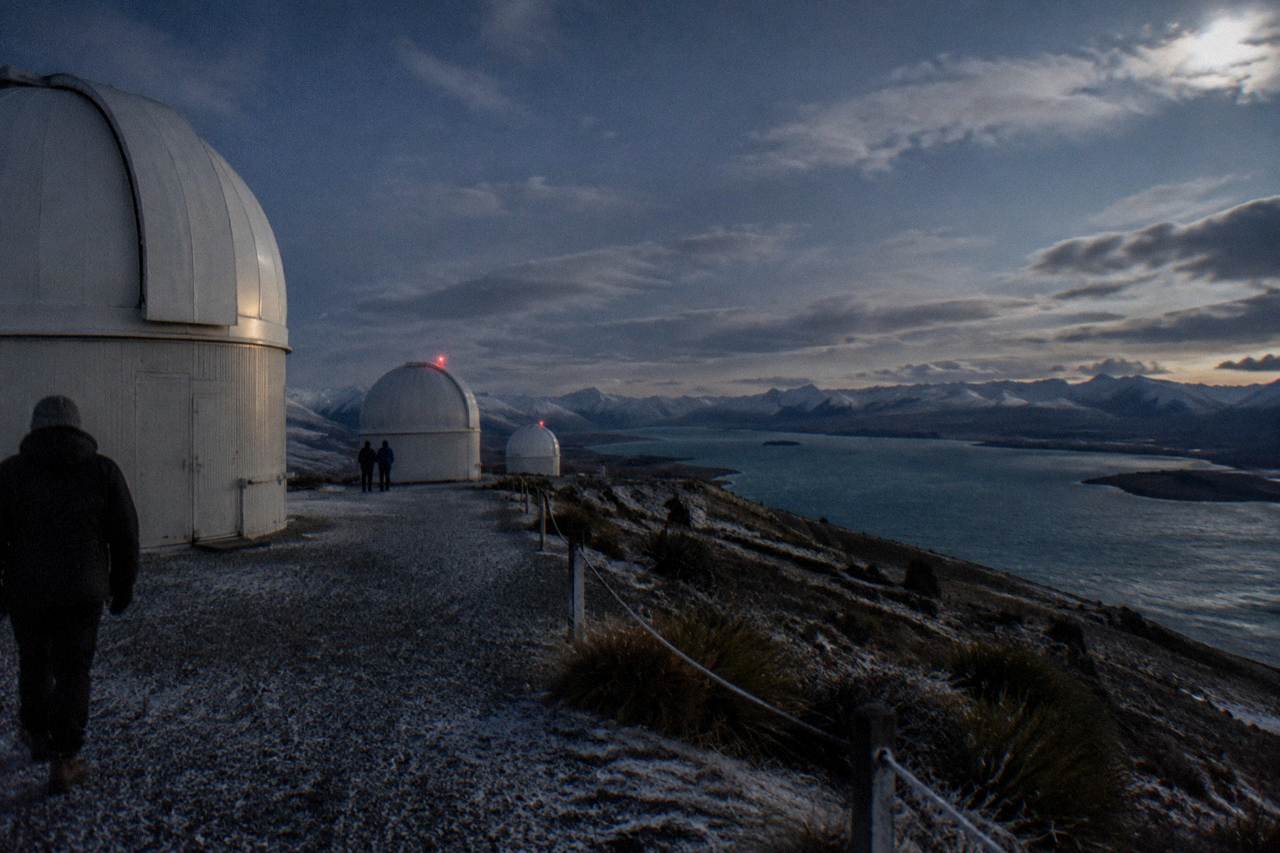
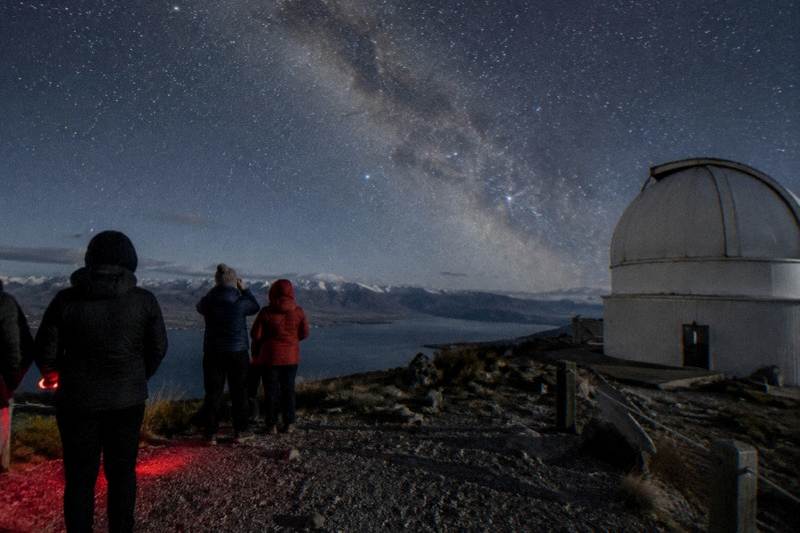
Mount John is the University of Canterbury's research observatory, perched at 1,029 metres above Lake Tekapo, and it does not sell an entry ticket for evening visits. Night access to the summit road is by tour coach only, so the fee a visitor actually pays is the price of a stargazing tour, and the tour that uses the summit is the Mount John Summit Stargazing Experience, from $135 per person. To compare that fare with the other stargazing experiences on offer around the lake, the guide to Lake Tekapo stargazing tour prices lays out every option.
There is no separate entry fee for the Mt. John Observatory at night, because there is no way to buy one: evening access to the summit is coach-only with a tour. The Mount John Summit Stargazing Experience, from $135 per person for 1 hour 45 minutes, includes the return coach transport and summit access, so the tour price is effectively the entry fee. Daytime drivers pay a small per-vehicle road fee at the gate.
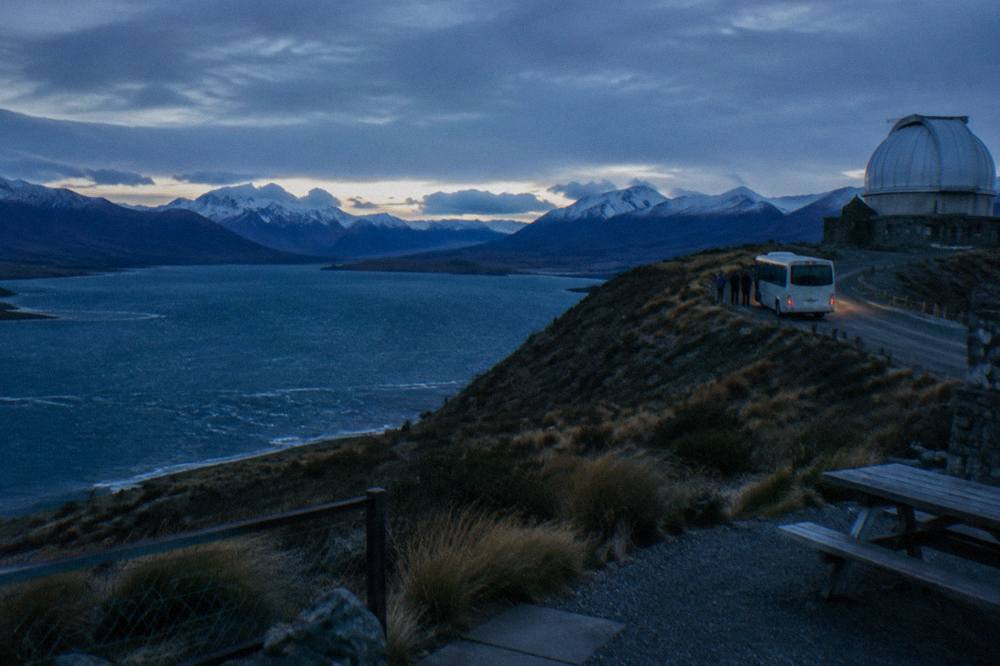
That structure surprises a lot of visitors, and it is worth understanding before planning a budget. Mount John is a working research station with four research-grade telescopes, described by the university as New Zealand's largest professional research observatory. It is not a public attraction with a ticket booth in the evening sense. Visitors cannot drive up in their own vehicles after dark; the private access road is closed to private night traffic, and the only evening way up is the coach operated as part of the Dark Sky Project tour from its base at 1 Motuariki Lane on the Tekapo lakefront.
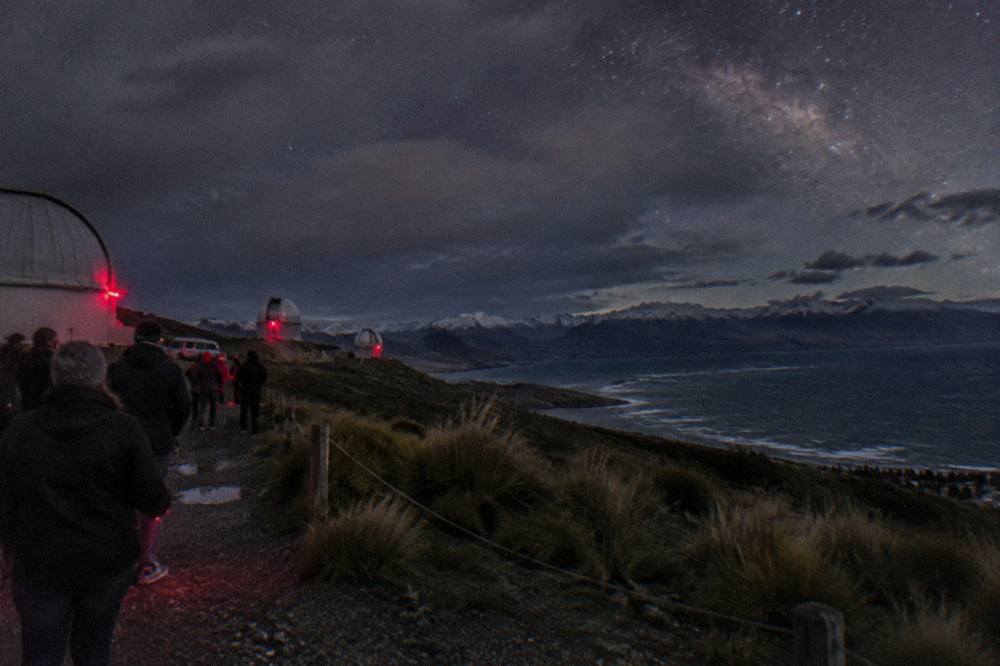
The distinction matters because people search for an "entry fee" and find nothing of the sort. What exists instead is a tour market, and it splits fairly cleanly by experience type. The summit tour is the premium observatory night. The Crater Stargazing Experience at Cowan's Observatory, from $78 per person, stays at a lower private observatory site about a 5 minute drive away. Independent operators such as Chameleon Stargazing and Silver River Stargazing run smaller-group nights on farm and lakefront sites around the village without any observatory involvement at all.
For a reader comparing observatory stargazing tour prices, the summit and crater tours are the two "observatory" products in Tekapo, both run by Dark Sky Project. Beyond them, prices step down into small-group territory, where the cheapest outdoor nights from the tours covered here sit at $56 per person in a three-way tie between the Alpine Stargazing Experience, the Mt Cook Stargazing Experience and the Twizel Japanese-language Zen experience. Those tours do not touch Mount John, but they sit under the same sky.
The Aoraki Mackenzie International Dark Sky Reserve, designated in 2012 and covering 4,367 square kilometres of the Mackenzie Basin and Aoraki / Mount Cook National Park, is what makes all of these tours possible. The reserve is recognised by DarkSky International, and district plan lighting rules keep artificial light low across the basin. That protected darkness is the asset; the tour is simply the vehicle for seeing it from the best vantage point in the village's backyard.
What Does The Summit Stargazing Tour Price Include?
From $135 per person, the Summit Experience includes the return coach from the Dark Sky Project base to the 1,029 m summit, a guided session of 1 hour 45 minutes using naked-eye laser pointing, telescopes and a 16 inch telescope inside the dome, and loan of an extreme cold weather jacket. Rated 4.6 across 348 reviews, it carries a minimum age of 10 and requires moderate fitness.
The transport component is the piece most readers undervalue when they compare prices. The tour timing includes about 15 minutes of coach travel each way, and the jacket loan is not a trivial extra: the summit sits at 1,029 metres with high wind exposure and often snows in winter, and Dark Sky Project tells summer visitors to bring thermals anyway because it is cold at night even in summer. A reader weighing the $135 price against a $56 farm-site tour is comparing a summit, a dome and a jacket against a paddock and a lawn chair, and both can be excellent nights.
The tour is not wheelchair accessible, and the walking involved is real: a 100 metre gravel incline plus a few steps in the dark. Photos are allowed with the flash off, and guides share astrophotography tips during the session. Hotel pickup is stated as not included; everyone checks in at the base at 1 Motuariki Lane about 15 to 20 minutes before departure. Same-day booking can be possible, but tours often sell out, which is worth knowing if the trip is short.
Weather is the other half of the value question, and this is Dark Sky Project's own policy: the team decides as close to departure as possible, forecasts are indicative, and low cloud is often blocked by the basin's topography, so cloud alone does not always cancel. If outdoor stargazing is not possible, guests are offered an indoor alternative, a reschedule, a voucher or a refund. The operator cannot guarantee clear skies, the Milky Way or the Aurora Australis, and it runs no aurora tours. Separately, all 12 booking pages for the tours covered here state free cancellation up to 24 hours before the start for a full refund.
Readers who want a fuller comparison of the two Dark Sky Project nights can read the Dark Sky Project Summit vs Crater guide, and the Mount John Observatory stargazing tour guide goes deeper on the summit product itself.
How Much Do Other Lake Tekapo Stargazing Tours Cost?
The Crater Experience at Cowan's Observatory is from $78 per person for 75 minutes; Chameleon Stargazing is from $73 for 90 minutes; Silver River's Alpine tour is from $56 for 75 minutes; the indoor cultural astronomy session is from $34.70 and includes no sky viewing. Of the 12 tours covered here, the summit is the dearest and the $56 outdoor tours the cheapest outdoor nights.
That spread is the honest answer to most fee questions, because "the entry fee" usually means "what will my night cost", and the answer depends entirely on which product fits. The Crater Experience is the natural step-down from the summit: purpose-built observation craters at Cowan's Private Observatory that shelter viewers from wind and light, 14 inch telescopes and a dome, a 5 minute drive from the base, minimum age 5, and rated 4.6 across 91 reviews. Jackets are not part of that tour, so guests are told to layer warm clothing themselves.
| Tour | Operator | Price per person | Duration | Rating and reviews |
|---|---|---|---|---|
| Mount John Summit Stargazing Experience | Dark Sky Project | from $135.00 | 1 hour 45 minutes | 4.6, 348 reviews |
| Ultimate Stargazing Experience | Silver River Stargazing | from $125.56 | 2 hours | 5.0, 17 reviews |
| Hot Pools and Stargazing (Soak in the Stars) | Tekapo Springs and Tekapo Stargazing | from $102.63 | 1 hour 30 minutes | 4.3, 121 reviews |
| Crater Stargazing Experience | Dark Sky Project | from $78.00 | 75 minutes | 4.6, 91 reviews |
| Chameleon Stargazing Shared Tour | Chameleon Stargazing | from $73.00 | 1 hour 30 minutes | 4.9, 789 reviews |
| Alpine Stargazing Experience with a Guide | Silver River Stargazing | from $56.00 | 1 hour 15 minutes | 4.6, 864 reviews |
| Indoor Dark Sky Cultural Astronomy Experience | Dark Sky Project | from $34.70 | 45 minutes | 4.4, 80 reviews |
Before booking, you can check the guide to wheelchair access on Lake Tekapo stargazing tours to see how the Summit, Crater and Hot Pools experiences handle terrain, transport and the questions worth asking operators.
To decide whether the crater option or the summit tour suits you better, the guide to the Crater Experience at Cowan's Observatory explains the telescopes, minimum age, and what to wear.
Two rows in that table deserve a caution. The Ultimate Stargazing Experience carries a 5.0 score from only 17 reviews, a small pool, and its 2 hours make it the longest night of the 12. The indoor session at $34.70 is exactly what it says: a 45 minute guided walk through four zones including a restored 125 year old Brashear telescope on display and the Maori understanding of the sky, with no outdoor sky viewing at all. It is an exhibit, not stargazing, and it should never be booked as a cheap substitute for a night outside.
The independent operators fill the space between those poles. Chameleon Stargazing, from $73 for 90 minutes, has 789 reviews, second only to Alpine with a 4.9 score, capped at 14 guests with a minimum age of 5, hot chocolate and marshmallows, outdoor seats and blankets, and a digital souvenir photo included. It checks in at 70 Andrew Don Drive, a 4 minute drive or about 25 minute walk from the village. Silver River's Alpine tour, from $56, meets at Kiwi Treasure at 12 Rapuwai Lane and shuttles to a private 50,000 acre farm with 14 inch telescopes, astro-lasers, warm down jackets and a complimentary digital photo, capped at 10 guests.
Astro Tekapo's Astro Experience, from $59 for 90 minutes, meets at its own site in Takapo Regional Park, 4 minutes by car from the village, with a 9.25 inch telescope plus a smart telescope, hot chocolate, a moon chair and a fleece blanket, capped at 10 and with a minimum age of 6. Its own weather policy is blunt: a full refund is offered if sky conditions are too cloudy for stargazing. The Hot Pools and Stargazing night from Tekapo Springs, from $102.63 for 90 minutes, is the one tour of the 12 with hotel pickup, on request from the township and subject to availability, and it includes exclusive hot pool use, a floating hammock, a woolen blanket, hot drinks and a minimum age of 10.
Is The Daytime Drive Up Mount John Cheaper?
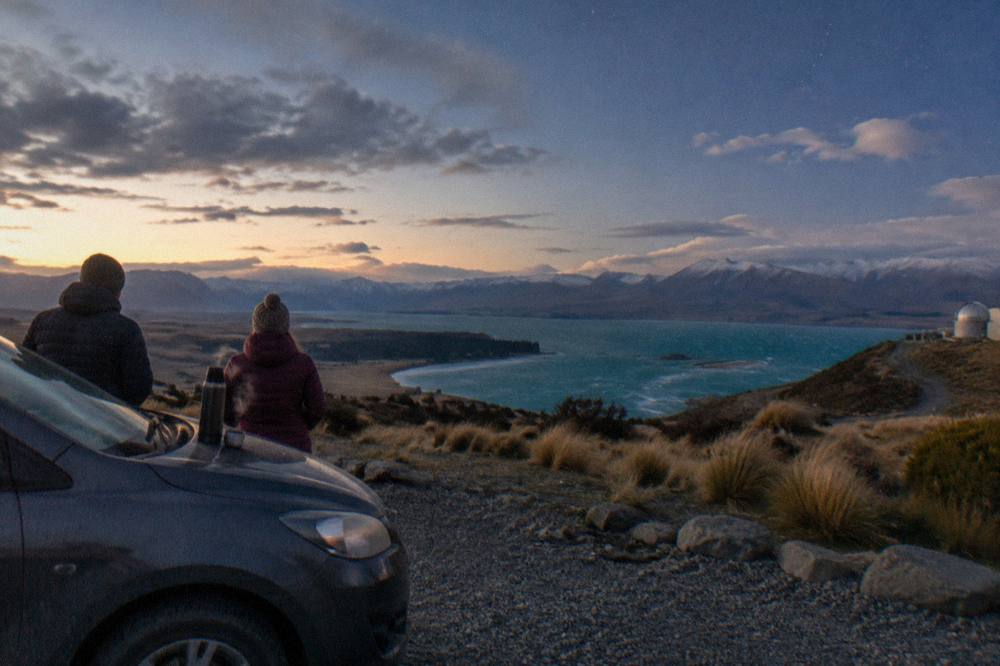
Yes, in the sense that daytime visitors pay only a small per-vehicle road fee at the gate rather than a per-person tour price, and the Astro Cafe and private road are open in the daytime. Vehicles over 12 seats are not allowed, and the drive from the village is about 15 minutes. But daytime visitors see the view, not the stars: the fee buys road access, not an observatory session.
This is where many itineraries go sideways. A traveller hears "entry fee", drives up in the afternoon, enjoys the cafe and the lake panorama, and assumes the evening will work the same way. It will not. Once darkness approaches, the road reverts to tour-coach access only, and no per-vehicle fee buys a night on the summit. The daytime option is a genuinely pleasant, cheap add-on, with one of the better lake views in the country, but it answers a different question than the one this page is about.
The economics still favour pairing them. A visitor on the summit tour sees the daytime view in reverse, arriving in the dark by coach, and the fee for that night is the $135 tour price. A visitor with a car and a tight budget can take the daytime drive, then book one of the $56 outdoor night tours in the village and still come out well under the summit price, trading the observatory dome and the summit elevation for a farm-site telescope and a jacket. Both are legitimate ways to spend a Tekapo night; neither is a discount on the other.
There is a third path that costs nothing at all: the village lakefront and the public paths around it sit inside the reserve's protected darkness, and free stargazing from the shore is a real option on a clear night. The trade-offs, where to stand and what you give up without a guide or telescope, are covered in the free stargazing spots at Lake Tekapo guide. For anyone whose question is purely "what does it cost", the honest floor is zero, and the honest ceiling is $135.
What Extra Costs Should You Budget For On A Tekapo Stargazing Trip?
Budget for warm clothing regardless of season, food and accommodation in a small village, and travel to Tekapo itself, about three hours by road from Christchurch or Queenstown. Tour prices do not include meals or lodging, and night driving on SH8 and SH80 can involve black ice, frost and wildlife in the cold months, so a pre-dawn or late-night departure may mean a night in the village.
The clothing line is not padding advice; it is the single most common gap between what visitors pack and what the night demands. Even the tours that provide jackets, the Summit Experience and Silver River's Alpine tour, loan outer layers only. Thermals, hats, gloves and sturdy ankle-covering shoes remain the visitor's job, and winter nights at elevation in the Mackenzie Basin are genuinely cold. The what to wear on a Lake Tekapo stargazing tour guide covers the layers in detail.
Travel logistics carry the other hidden costs. Tekapo is about three hours by road from both Christchurch and Queenstown on the main highway, and Mount Cook village is about 1 hour 15 minutes by road from Tekapo, so most stargazing visitors stay at least one night in the area. Road conditions in the cold months are a real planning factor, and the NZTA Journey Planner is the reference for SH8 and SH80 conditions before a night drive. Parking on Pioneer Drive near the Church of the Good Shepherd is already very limited.
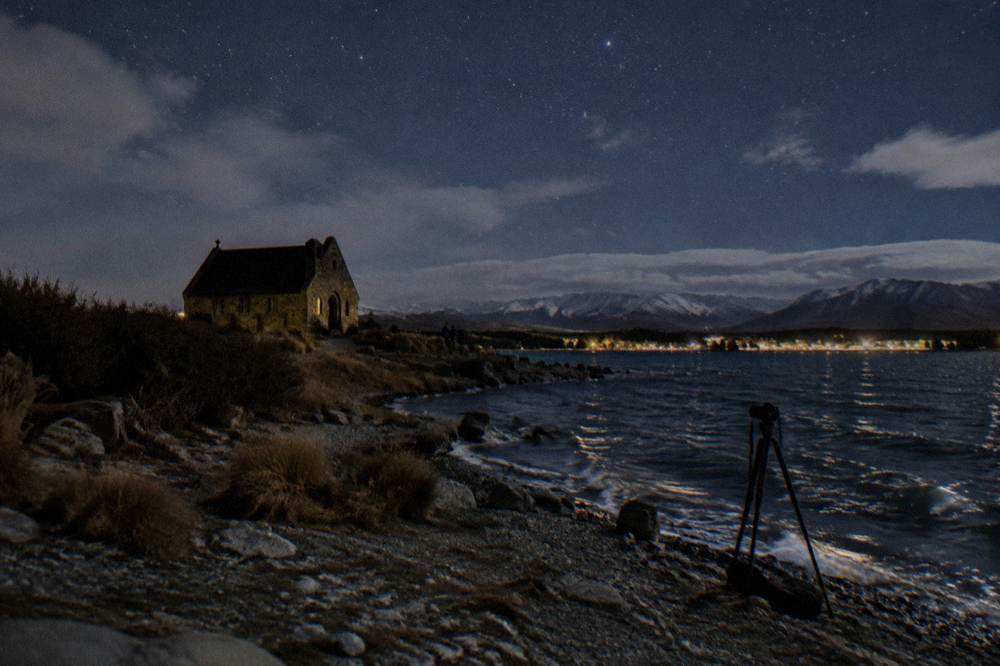
Two village realities also shape a budget. The Church of the Good Shepherd closes its fenced grounds at dusk, so the famous night photo is taken from outside the fence on public paths, with no drones allowed around the church or the village. The University of Canterbury's own pages on Mount John Observatory explain the research side of the summit for readers curious about what the domes actually do.
Which Mt. John Area Tour Gives The Best Value?
Value depends on what is being bought, not on the lowest price. The summit tour at from $135 is the only product that puts a visitor on the observatory summit with dome telescope time; the Crater at from $78 delivers a similar guided structure for less; Chameleon at from $73 has 789 reviews; and the three $56 tours are the cheapest outdoor nights of the 12.
For the specific reader asking about the observatory entry fee, the summit tour is the answer and the price is the fee, full stop. But for the reader comparing observatory stargazing tour prices more broadly, the decision usually comes down to group size versus elevation. The summit takes an unspecified group up a mountain; Chameleon caps at 14; Alpine, Ultimate and Astro Tekapo cap at 10; the Twizel tours cap at 20 for the Go Tekapo night. Smaller groups mean more telescope time per person, and longer tours mean more of everything: the Ultimate Experience's 2 hours is the longest night on the books.
Chameleon's position in that mix is unusually strong on the evidence: 789 reviews at 4.9 is by far the deepest review pool of the 12, and its inclusions list, hot drink, souvenir photo, seats and blankets, is the most complete of any outdoor tour. It is also the natural alternative for families priced out of the summit, since its minimum age is 5 against the summit's 10. A family with young children literally cannot buy the summit product, which makes the $73 versus $135 comparison moot for them and pushes the decision to Chameleon, the Crater Experience, or Astro Tekapo at 6 and up.
Timing shapes value too, and not only through price. Tekapo's summer darkness starts very late: daylight saving began on 27 September 2026 and runs to early April 2027, and in December astronomical darkness does not begin until between 23:26 and 23:54, with only 3.5 to 4 hours of true dark per night. Winter flips that: June delivers about 11.3 to 11.5 hours of darkness. A new moon gives the darkest sky and a full moon washes out faint stars and the Milky Way, which is Dark Sky Project's own guidance, and the moon phase calendar for planning is in the Lake Tekapo moon phase stargazing guide. None of this changes any tour's price, but it changes what the same $135 buys on a given night.
The bottom line for a fee-focused reader: the entry fee question has a clean answer, from $135 per person for the summit tour with transport and jacket included, or a small per-vehicle road fee for the daytime drive, and a messier answer beneath it, a twelve-tour market from $34.70 indoors to $135 on the summit. Decide whether the observatory itself, the group size, the price or the inclusions matter most, and the right line on the table picks itself.
Common Questions About Mt. John Observatory Fees
What Is The Entry Fee For The Mt. John Observatory?
There is no separate entry fee. Evening access to the summit is by tour coach only, and the Mount John Summit Stargazing Experience at from $135 per person, including transport and a loaned jacket, is effectively the entry fee.
Can You Drive Up Mount John At Night Without A Tour?
No. Visitors cannot drive up Mount John in the evening; night access is the tour coach only. In the daytime the private road is open with a small per-vehicle road fee paid at the gate.
Is The Cheaper Crater Experience Also At The Mt. John Observatory?
No. The Crater Stargazing Experience runs at Cowan's Private Observatory, about a 5 minute drive from the Dark Sky Project base, using purpose-built observation craters and 14 inch telescopes. It costs from $78 per person for 75 minutes.
What Is The Cheapest Stargazing Tour Near Lake Tekapo?
The cheapest outdoor nights of the 12 tours covered here are a three-way tie at $56 per person: the Alpine Stargazing Experience in Tekapo, the Mt Cook Stargazing Experience and the Twizel Japanese-language Zen experience. The $34.70 indoor session is an exhibit with no sky viewing.
Do Any Of These Tours Include Hotel Pickup?
Only the Hot Pools and Stargazing tour from Tekapo Springs, on request from the Lake Tekapo township and subject to availability. The summit, crater and Astro Tekapo tours state pickup is not included; everyone checks in at the listed meeting point.
Can I Get A Refund If Clouds Block The Sky On The Summit Tour?
Dark Sky Project's own policy offers an indoor alternative, a reschedule, a voucher or a refund if outdoor stargazing is not possible, and the team decides as close to departure as it can. Separately, the booking page offers free cancellation up to 24 hours before the start for a full refund.