Dark Sky Project Summit Vs Crater Experience: Which Stargazing Tour
Both Dark Sky Project tours leave from the same lakefront base in Lake Tekapo, but one climbs to a mountain observatory and the other settles into sheltered craters. Here is how they differ on price, duration, age limits and comfort.
Short answer
The Mount John Summit Stargazing Experience runs 1 hour 45 minutes from $135 per person, rated 4.6 across 348 reviews, minimum age 10. The Crater Experience at Cowan's Observatory runs 75 minutes from $78 per person, rated 4.6 across 91 reviews, minimum age 5. Both include coach transport from the base at 1 Motuariki Lane.
What Is The Difference Between The Summit And Crater Stargazing Tours At Lake Tekapo?
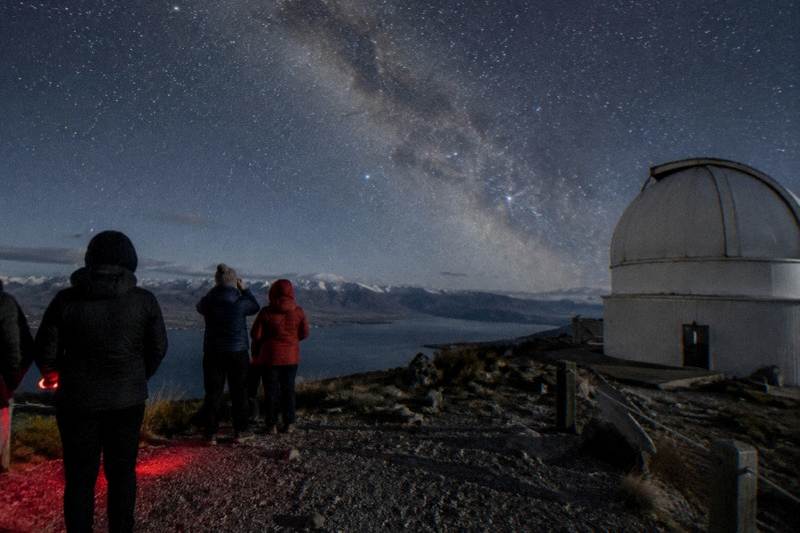
Both tours are run by Dark Sky Project from the same base at 1 Motuariki Lane, and both include coach transport, a guide, telescopes and naked-eye sky interpretation. The difference is where the coach takes you: the Summit Experience climbs Mount John to the observatory at 1,029 metres for 1 hour 45 minutes from $135 per person, while the Crater Experience travels to purpose-built observation craters at Cowan's Private Observatory for 75 minutes from $78 per person.
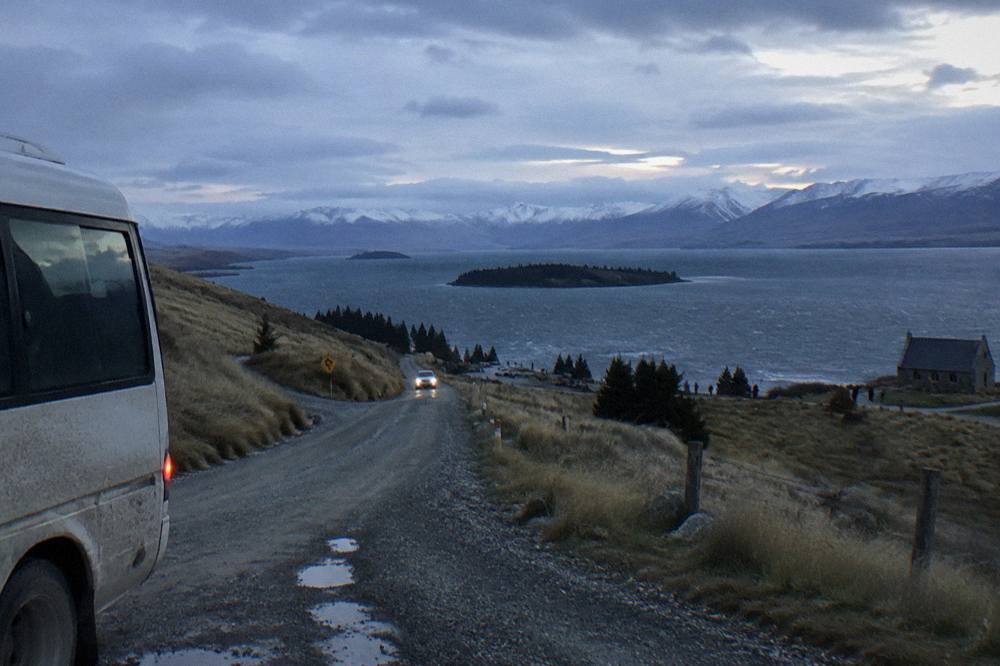
The two products sit inside the same operator, Ngai Tahu Tourism's Dark Sky Project, and they share a check-in desk, a weather policy and a booking base on the Tekapo lakefront. You arrive about 15 to 20 minutes before departure, and from there the experiences part ways. The Summit coach winds up the private road to the top of Mount John, where the University of Canterbury runs New Zealand's largest professional research observatory with four research-grade telescopes. The Crater coach makes a much shorter run, about a 5 minute drive, to Cowan's Private Observatory, where guests observe from craters dug into the ground that shelter the view from wind and stray light. If you're tempted to skip the tour and head up on your own, the guide to driving up Mount John for stargazing explains exactly when the road is open to private vehicles.
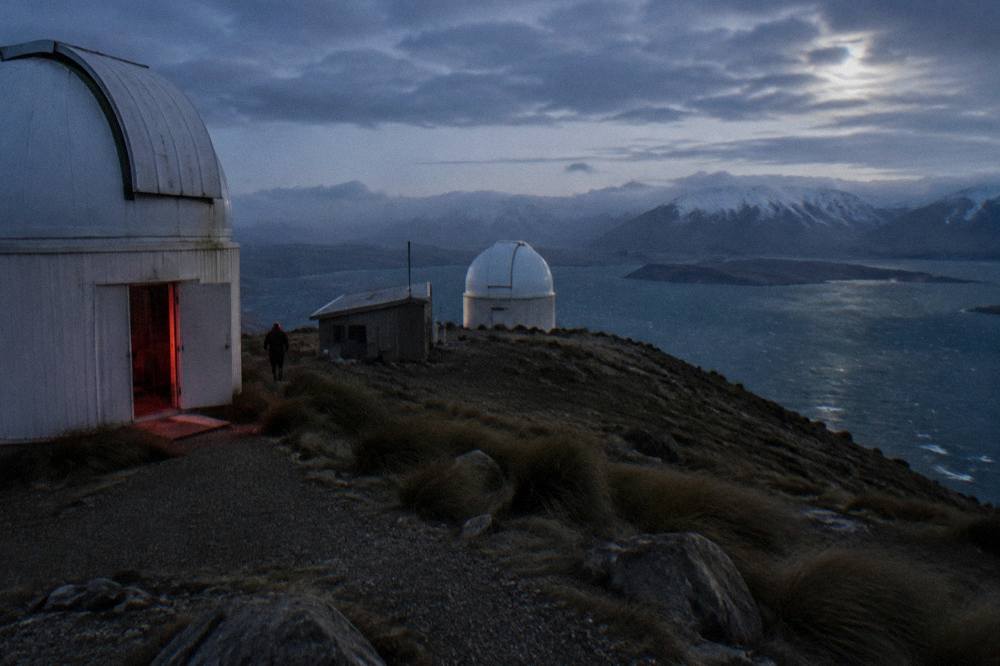
That single difference drives almost everything a buyer cares about. The summit is higher, colder, windier and longer on your feet: the tour involves a 100 metre gravel incline plus a few steps in the dark, so Dark Sky Project describes it as needing moderate fitness and not wheelchair accessible. The crater tour skips the climb entirely, and wheelchair users can take part by following the coach in their own vehicle. Reviews land at the same score for both, 4.6, but from very different pools: 348 reviews for the Summit and 91 for the Crater.
Neither tour is a promise of any particular sky. Dark Sky Project is explicit that it cannot guarantee clear skies, the Milky Way or the Aurora Australis, and it runs no aurora tours. What you are choosing between is a mountain observatory with a dome and a serious cold-weather jacket loaned to you, or a sheltered crater session that is shorter, cheaper and open to younger children. Readers weighing a third option can also look at the small-group stargazing tours at Lake Tekapo, which run with independent operators rather than Dark Sky Project.
How Much Do The Summit And Crater Experiences Cost?
The Mount John Summit Stargazing Experience is priced from $135.00 per person for 1 hour 45 minutes, and the Crater Experience at Cowan's Observatory is priced from $78.00 per person for 75 minutes. Both figures are per person and both tours carry free cancellation up to 24 hours before the start for a full refund, a condition stated on both booking pages. If you're still deciding which venue suits you best, the guide to the best stargazing spots around Lake Tekapo compares Mount John, Cowan's Observatory, and several free alternatives along the lakefront.
The gap between the two fares is the single biggest lever in most decisions, and it widens fast as group size grows. For a family of four the difference compounds quickly, especially once you add the age rule: the Summit sets a minimum age of 10, while the Crater accepts children from age 5. A family with a six-year-old is not choosing between the two at all, the age rule has already made the choice.
| Summit Experience | Crater Experience | |
|---|---|---|
| Operator | Dark Sky Project | Dark Sky Project |
| Starting point | 1 Motuariki Lane, Lake Tekapo | 1 Motuariki Lane, Lake Tekapo |
| Destination | Mount John summit, 1,029 m | Cowan's Private Observatory |
| Duration | 1 hour 45 minutes | 75 minutes |
| Price | From $135.00 per person | From $78.00 per person |
| Rating | 4.6 across 348 reviews | 4.6 across 91 reviews |
| Minimum age | 10 | 5 |
| Transport | Coach, about 15 minutes each way | Coach, about 5 minutes |
| Cold-weather jacket | Loaned on this tour | Not stated for this tour |
| Wheelchair access | Not wheelchair accessible | Possible, follow the coach in your own vehicle |
For a fuller picture of what each ticket includes and how the weather policy works, the honest assessment of the Dark Sky Project's stargazing tours fills in the details.
Value depends on what the extra money buys you, and the honest answer is: altitude, a dome and time. The Summit session spends more of its 1 hour 45 minutes actually under the sky, includes the 16 inch telescope in the Mount John dome alongside the outdoor viewing, and loans you an extreme cold weather jacket because the summit at 1,029 metres has high wind exposure and often snows in winter. The Crater session spends its 75 minutes in craters engineered to block wind and light, with 14 inch telescopes and a dome, but jackets are not stated for this tour, so you dress for the cold yourself.
If the price of either gives you pause, the wider Lake Tekapo stargazing tours compared guide lists all twelve options, including outdoor nights from $56 per person. Neither Dark Sky Project tour is the cheapest outdoor stargazing around Lake Tekapo; you are paying for the observatory infrastructure and the research-grade locations.
Between the two Dark Sky Project products and one strong independent alternative, most readers land on the one that fits their group's ages and their tolerance for cold. Check availability for the Summit if the dome and the altitude are the draw.
Which Lake Tekapo Stargazing Tour Is Better For Families With Children?
The Crater Experience is the family pick of the two, purely on rules: it accepts children from age 5, while the Summit Experience sets a minimum age of 10. At 75 minutes it is also half an hour shorter than the Summit's 1 hour 45 minutes, which matters with young children standing outside on a cold Mackenzie Basin night, and it avoids the 100 metre gravel incline the summit tour requires.
Children under 10 simply cannot board the Summit tour, so for families with a five-to-nine-year-old the decision is made before price even enters it. The Crater's shorter runtime is a quiet advantage beyond the age rule. An hour and a quarter outside in subalpine cold is a different proposition for an eight-year-old than nearly two hours, and the craters themselves do some of the work by blocking the wind that a mountaintop cannot.
| Family factor | Summit Experience | Crater Experience |
|---|---|---|
| Minimum age | 10 | 5 |
| Session length | 1 hour 45 minutes | 75 minutes |
| Terrain on the night | 100 metre gravel incline plus steps | Flat, sheltered craters |
| Weather jacket | Loaned | Not stated |
| Wheelchair users | Not accessible | Follow the coach in your own vehicle |
The Summit is not anti-family, it is just aimed at older children and adults. Ten-year-olds and up get the fuller experience: the coach ride up the private road, the naked-eye session with guide lasers on the summit, the telescopes outside and the 16 inch instrument in the dome, and guides who share astrophotography tips. Photos are allowed with the flash off, which is a genuine plus for teenagers who want to try capturing what they saw. Families deciding across the whole market, not just these two tours, will find more ages and group sizes in the guide to Lake Tekapo stargazing with kids, including tours with minimum ages of 5 and 6.
One more family consideration: neither tour states a hot drink is included, so bring your own thermos rather than assuming refreshments. Chameleon Stargazing, an independent operator meeting at 70 Andrew Don Drive, does state hot chocolate and marshmallows plus a digital souvenir photo on its 90 minute tour from $73 per person, minimum age 5, group max 14, rated 4.9 across 789 reviews, and it is worth a look if the children are the centre of the decision.
What Is The Mount John Summit Experience Actually Like On The Night?
The Summit Experience is a 1 hour 45 minute tour that includes about 15 minutes of coach transport each way from the base to the 1,029 metre summit of Mount John. Once there, you move between naked-eye viewing with guide lasers, telescopes on the summit, and the dome housing a 16 inch telescope, with an extreme cold weather jacket loaned to you for the night.
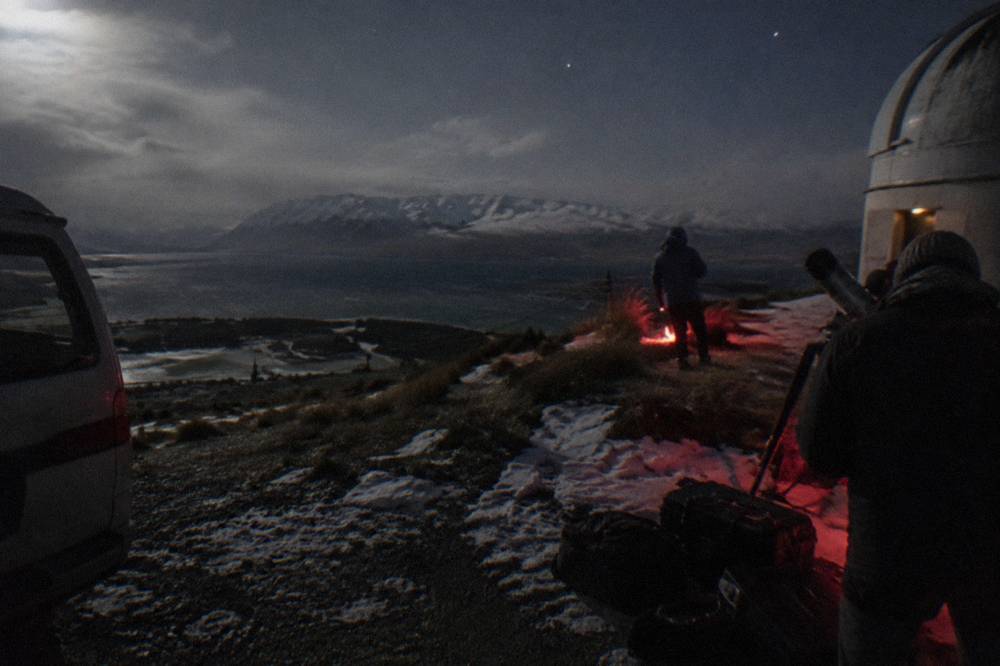
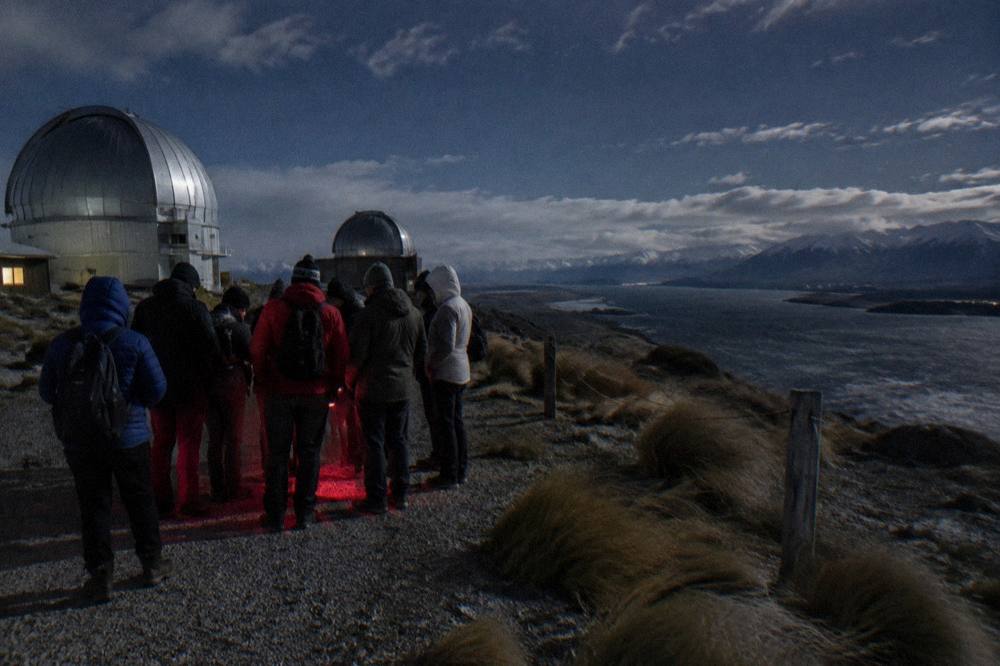
The flow of the evening matters more than most people expect. You check in at 1 Motuariki Lane about 15 to 20 minutes before departure, get fitted with the loaned jacket, and ride the coach up the private road, the only night access to Mount John, since visitors cannot drive up themselves in the evening. On the summit the guide rotates the group between sky zones: laser-pointed constellations for the naked eye, telescope eyepieces for planets, star clusters and whatever the night offers, and the dome session at the 16 inch instrument. Guides share astrophotography tips and photos are welcome with the flash off.
The physical demand is real but modest: Dark Sky Project describes a 100 metre gravel incline plus a few steps, in the dark, and calls the tour moderate fitness, not wheelchair accessible. What that means in practice is that anyone comfortable with a slow uphill walk on uneven ground is fine, and anyone who is not should be reading the Crater section instead. The same-day booking question comes up often: it can be possible, but tours often sell out, so waiting for the evening you arrive in town is a gamble.
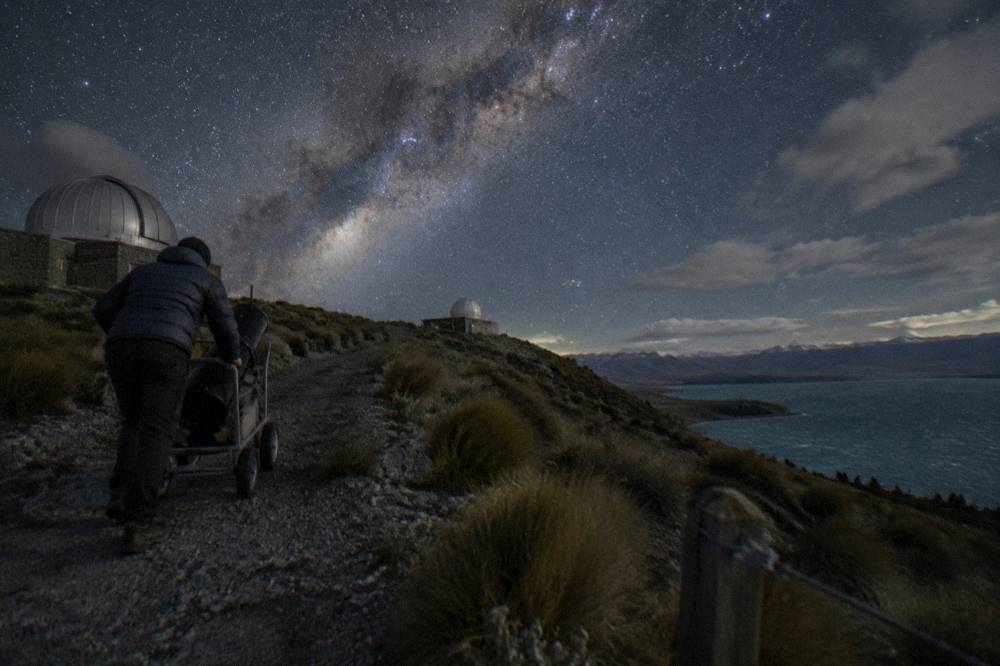
The rating picture is the strongest of the two: 4.6 across 348 reviews, the most reviewed Dark Sky Project tour of the pair by a wide margin. For a fuller walk-through of the product itself, including the Mount John daytime access question, the dedicated Mount John Observatory stargazing tour guide covers the location in depth. In daytime the summit road opens to private vehicles with a small per-vehicle fee paid at the gate and the Astro Cafe welcomes visitors, but at night the coach is the only way up, which is exactly why the Summit tour feels distinct from every free viewpoint in the basin.
What Is The Crater Experience At Cowan's Observatory Like On The Night?
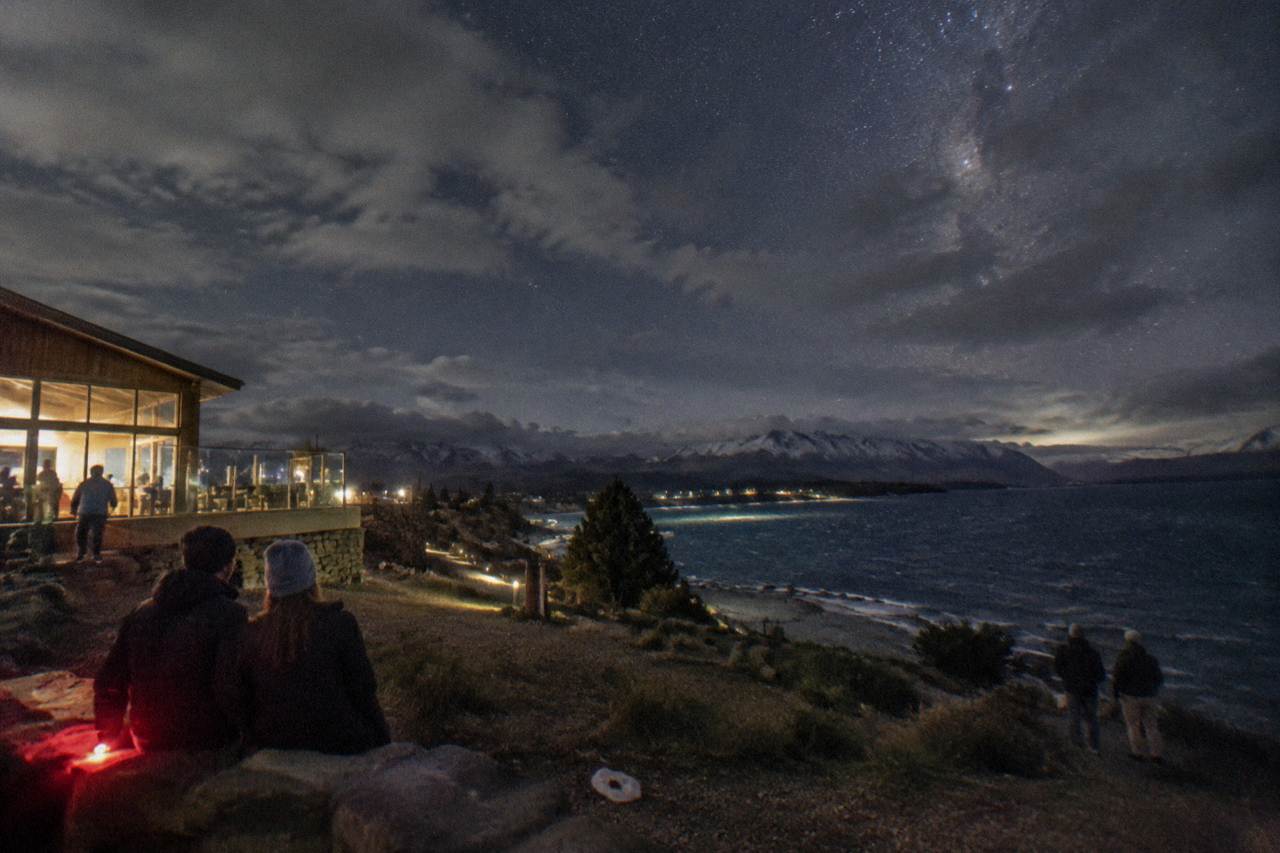
The Crater Experience is a 75 minute tour that coaches you about 5 minutes from the base to Cowan's Private Observatory, where you observe from purpose-built craters that shelter viewers from wind and stray light, using 14 inch telescopes and a dome. Minimum age is 5, no gravel climb is involved, and wheelchair users can take part by following the coach in their own vehicle.
The craters are the point of difference engineering-wise. Rather than standing on an exposed ridge, guests sit or stand partly below ground level in formations designed to block the basin's wind and horizon light, which changes the comfort equation dramatically on a blustery night. Dark Sky Project tells Crater guests to layer warm clothing; jackets are not stated for this tour, so unlike the Summit you should not plan on a loaned parka. Thermals, a proper winter jacket, hat and gloves are the baseline regardless of season, because the Mackenzie Basin is cold at night even in summer.
The shorter runtime and lower price come from the format, not from a lesser guide or lesser telescopes: the 14 inch instruments at Cowan's are serious machines, and the dome session is part of the 75 minutes. Reviews sit at 4.6 across 91, a smaller pool than the Summit's 348 but a consistent score. For readers who want the full detail on this product alone, the Cowan's Observatory Crater Experience stargazing guide goes deeper on the observatory and what the session covers.
How Cold And Windy Is Mount John Compared With Cowan's Observatory?
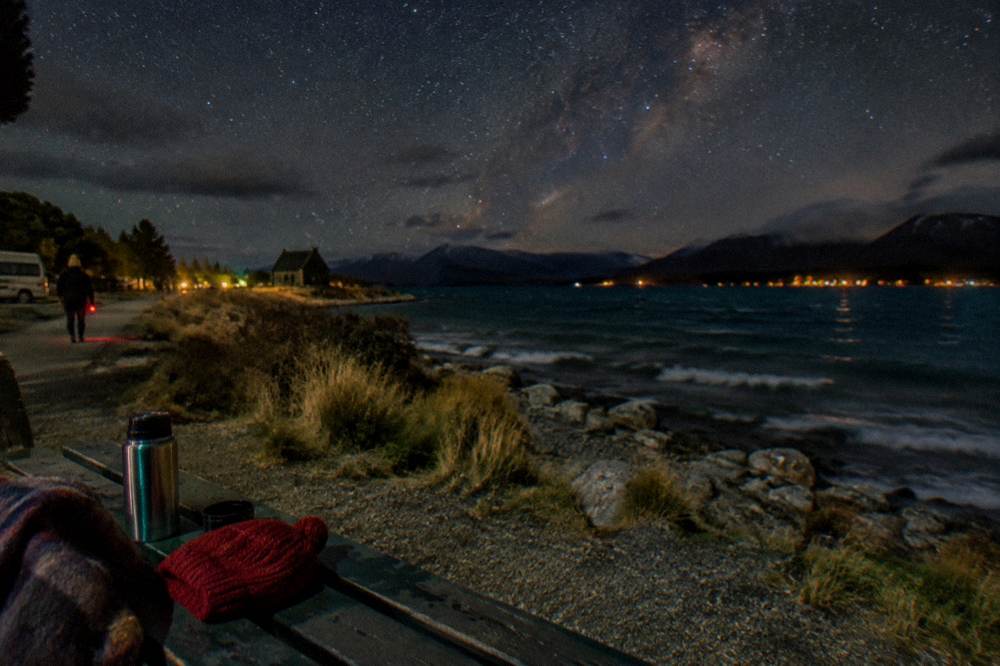
Mount John sits at 1,029 metres with high wind exposure and often snows in winter, which is why Dark Sky Project loans an extreme cold weather jacket on the Summit tour only, and describes that tour as needing moderate fitness. Cowan's Observatory is lower and sheltered by its purpose-built craters, but jackets are not stated for the Crater tour, so you dress warmly yourself on both nights regardless.
Clothing is where the two tours diverge most sharply in practice, even though both run in the same basin under the same sky. On the summit you are loaned the jacket, but the operator's own clothing advice still stacks layers underneath: thermals, long pants, a jersey, a jacket and a hat in summer; thermals, a snow jacket, gloves, a scarf, a hat and sturdy ankle-covering shoes in winter. Wind is the summit's defining feature. The observatory was put up there for the atmosphere's sake, not for visitor comfort, and the exposed 100 metre walk means the cold finds every gap in your kit.
At Cowan's the craters do the sheltering. The stillness inside a crater on a windy night is a genuine advantage for anyone who runs cold, for small children and for anyone using a telescope eyepiece for long stretches, since wind shake blurs the view as much as it chills the viewer. The trade is that nothing is loaned to you: arrive dressed as though for a snowfield, because the basin's clear nights are cold by design, and clear, calm, cold conditions are exactly what good stargazing nights are made of.
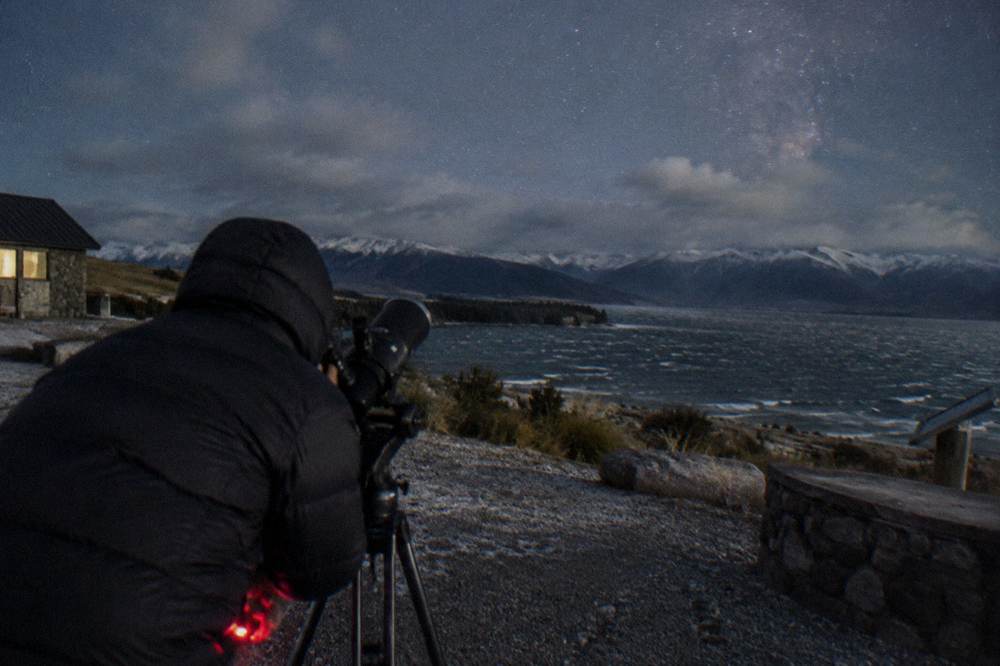
If packing for either tour is the next job, the what to wear on a Lake Tekapo stargazing tour guide carries the full clothing checklist for summit, crater and every independent operator in the village. The short version: dress for both tours as though the temperature will surprise you, because on a clear Mackenzie night it usually does.
What Happens If Cloud Covers The Sky On A Dark Sky Project Tour?
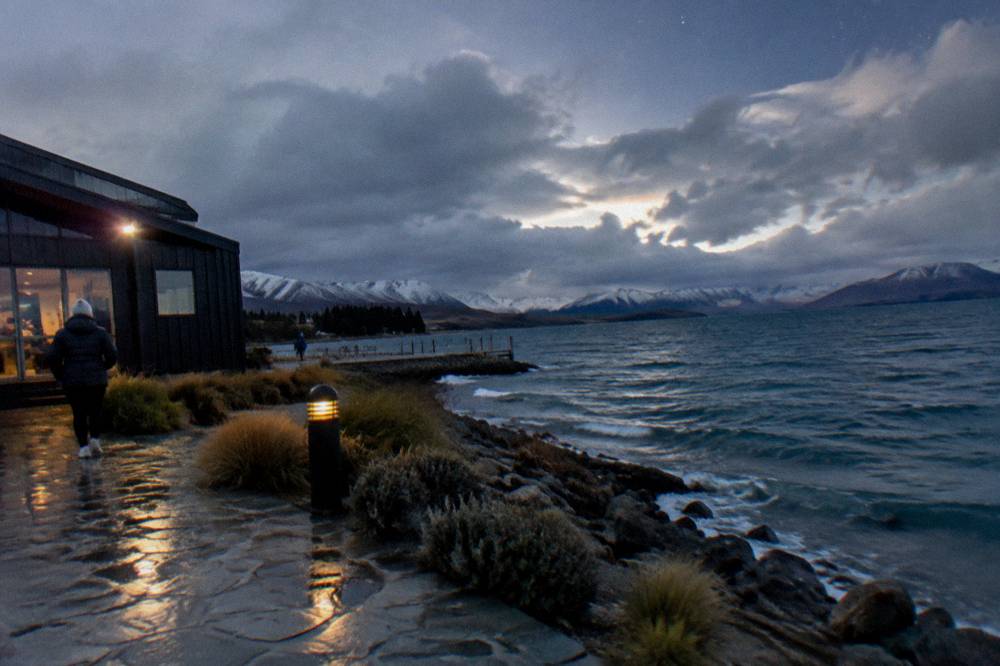
Dark Sky Project, this operator only, decides on each departure as close to the start as possible, and low cloud is often blocked by the basin's topography, so cloud alone does not always cancel a tour. If outdoor stargazing is not possible, guests are offered an indoor alternative, a reschedule, a voucher or a refund, and the operator does not guarantee clear skies, the Milky Way or the Aurora Australis.
This policy belongs to Dark Sky Project and describes its two Tekapo tours only, so do not carry it across to other operators in the village, whose terms differ. The detail worth knowing before you panic at a cloudy forecast is that the Mackenzie Basin's topography frequently holds low cloud below the observatories, meaning a town forecast showing cloud can still mean a usable sky at 1,029 metres. The team makes the call as close to departure as possible and treats forecasts as indicative, which is why same-day rebooking conversations happen at the base rather than days ahead.
The fallback ladder is generous: an indoor alternative, a reschedule, a voucher or a refund, in the operator's own wording. That is distinct from the booking rule, which is free cancellation up to 24 hours before the start for a full refund on both tours. The distinction matters if the forecast sours two days out: inside 24 hours the weather process takes over, outside it the standard cancellation still applies.
For the full picture on cloud nights, seasonal patterns and what each operator in town does when the sky fails, the Lake Tekapo stargazing weather and cloud cancellations guide covers every operator's terms side by side. Timing your booking around the moon matters as much as the cloud forecast: a new moon gives the darkest sky and a full moon washes out faint stars, and the moon phase calendar there works through it.
Summit Or Crater: Which Should You Book For Lake Tekapo?
Book the Summit if your group is all 10 or older, you want the longest session under the sky with a dome telescope at 1,029 metres, and you do not mind cold and wind on a gravel incline, from $135 per person. Book the Crater if you have children aged 5 to 9, want a shorter 75 minute night from $78, or prefer sheltered craters to an exposed mountaintop.
The honest summary is that the Summit is the fuller astronomy night and the Crater is the easier, cheaper, more inclusive one, and both are rated 4.6. Choose by your group's ages first, because the age rule is absolute: under 10 means the Crater or another operator, full stop. Choose by budget second, especially for groups of three or more where the per-person price gap multiplies. Choose by constitution third: the summit walk is short but dark, gravelly and uphill, and the loaned jacket helps with cold but not with footing.
| If you... | Book this tour | Why |
|---|---|---|
| Have a child aged 5 to 9 | Crater Experience | Minimum age 5, the Summit requires 10 |
| Want the longest time under the sky | Summit Experience | 1 hour 45 minutes versus 75 minutes |
| Are watching the budget closely | Crater Experience | From $78 per person versus from $135 |
| Run cold or dislike wind | Crater Experience | Sheltered craters, no exposed ridge |
| Want a dome with a 16 inch telescope | Summit Experience | The Mount John dome session |
| Use a wheelchair | Crater Experience | Possible by following the coach in your own vehicle |
| Want the most reviewed option | Summit Experience | 4.6 across 348 reviews versus 4.6 across 91 |
A third path exists and it is not a compromise so much as a different product. The Aoraki Mackenzie International Dark Sky Reserve, designated in 2012 and covering 4,367 square kilometres of the national park and the Mackenzie Basin, holds several independent operators alongside Dark Sky Project, and DarkSky International maintains the reserve's listing and its lighting standards, with district plan lighting rules applying across the whole area:. Some readers will prefer a 14 person small-group night over either coach product, and the Lake Tekapo Stargazing comparison pages exist for exactly that browsing.
Common Questions About The Summit Vs Crater Experience
What Is The Difference Between The Summit And Crater Stargazing Tours At Lake Tekapo?
The Summit Experience climbs Mount John to the observatory at 1,029 metres for 1 hour 45 minutes from $135 per person, minimum age 10, with an extreme cold weather jacket loaned. The Crater Experience coaches about 5 minutes to sheltered observation craters at Cowan's Private Observatory for 75 minutes from $78 per person, minimum age 5. Both include coach transport, a guide and telescopes.
Which Dark Sky Project Tour Is Cheaper, Summit Or Crater?
The Crater Experience at Cowan's Observatory, from $78 per person for 75 minutes. The Summit Experience is from $135 per person for 1 hour 45 minutes. Both are per-person prices and both carry free cancellation up to 24 hours before the start for a full refund.
Can Children Under 10 Go On The Mount John Summit Experience?
No. The Summit Experience sets a minimum age of 10. The Crater Experience accepts children from age 5, which makes it the Dark Sky Project option for younger families.
Are Warm Jackets Provided On Both Dark Sky Project Tours?
An extreme cold weather jacket is loaned on the Summit Experience only. Jackets are not stated for the Crater Experience, so dress in serious layers for that tour: the Mackenzie Basin is cold at night even in summer.
What Happens If It Is Cloudy On The Night Of The Tour?
Dark Sky Project decides as close to departure as possible, and low cloud is often blocked by the basin's topography, so cloud alone does not always cancel. If outdoor stargazing is not possible, guests are offered an indoor alternative, a reschedule, a voucher or a refund. The operator does not guarantee clear skies, the Milky Way or the Aurora Australis.
Is The Summit Experience Wheelchair Accessible?
No, it involves a 100 metre gravel incline plus a few steps in the dark and is listed as not wheelchair accessible. Wheelchair users can take part in the Crater Experience by following the coach in their own vehicle.