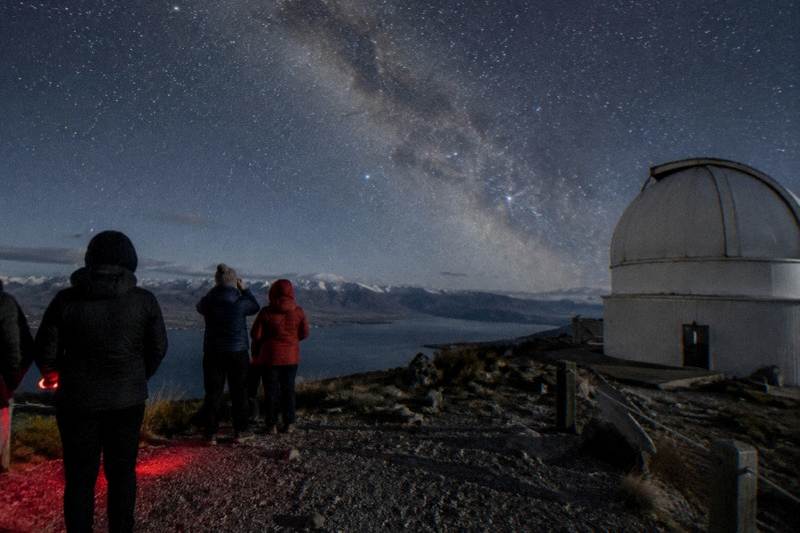
Mount John Observatory Stargazing Tour: Access And Summit Road
Mount John is the reason Lake Tekapo became a stargazing destination, and its summit is closed to private cars at night. This guide explains how the one coach tour gets you up there, what it costs and how it compares.
Short answer
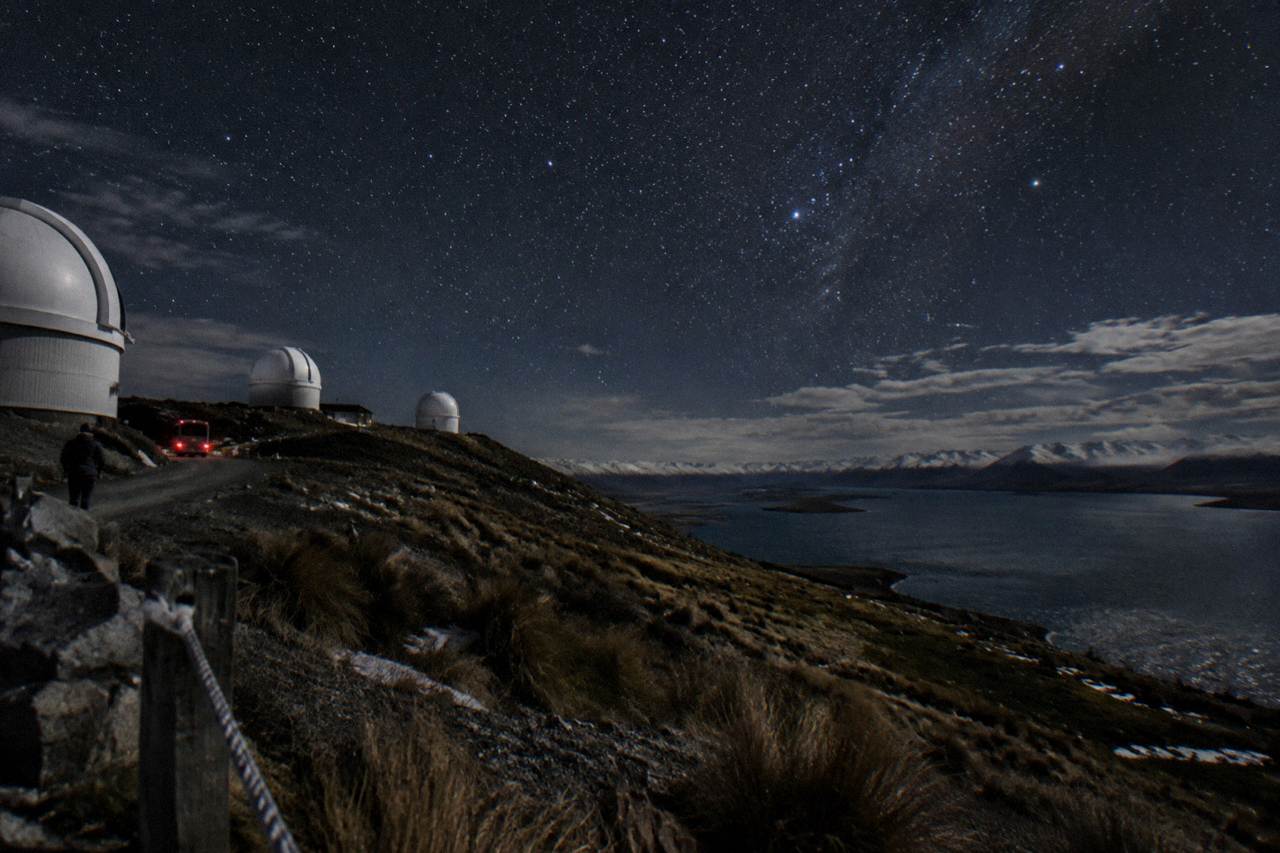
The Mount John Summit Stargazing Experience runs 1 hour 45 minutes from $135.00 per person, rated 4.6 across 348 reviews. Night access to the summit is by the Dark Sky Project coach only, roughly 15 minutes each way, with a minimum age of 10. The daytime summit road stays open to cars for a small per-vehicle gate fee.
Mount John's summit stands at 1,029 metres, and its summit holds New Zealand's largest professional research observatory: four research-grade telescopes operated by the University of Canterbury. It sits inside the Aoraki Mackenzie International Dark Sky Reserve, a 4,367 square kilometre reserve designated in 2012 that takes in both the Mackenzie Basin and Aoraki / Mount Cook National Park.
There is a catch that shapes every plan a visitor makes. The road up Mount John is private, and in the evening it is closed to the public. The only way to stand on the summit at night is on the Mount John Summit Stargazing Experience, a coached tour run by Dark Sky Project, the Ngai Tahu Tourism operator based on the lakefront at 1 Motuariki Lane. Daytime access is a different story, with a private road open by day, a cafe and a gate fee.
This guide walks through both, then gets practical: what the summit tour costs, what the 1 hour 45 minutes actually contains, how the walk and the cold compare with the alternatives, and which travellers should pick a different night out. Figures come from the tour listings themselves, priced per person in USD, alongside the operator's own access and clothing guidance.
Can You Drive Up To The Mount John Observatory At Night?
No. Night access to the Mount John summit road is closed to private vehicles, and the only evening transport is the Dark Sky Project Summit Experience coach. During the day the private road opens to cars for a small per-vehicle fee paid at the gate, with the Astro Cafe at the top. If you're weighing a self-drive visit against the coach tour, the complete guide to driving up Mount John Observatory explains how daytime and nighttime access differ.
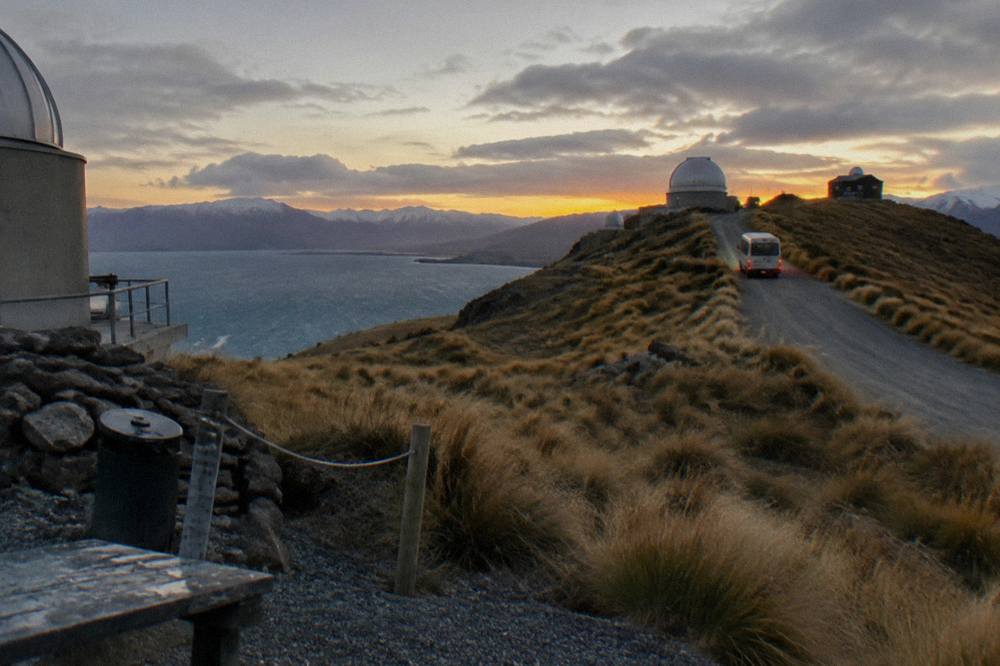
The distinction matters because Mount John is not a public park after dark. The observatory is a live research facility, and the operator's coach is the sole authorised evening traffic on the road. Visitors who drive up expecting a viewpoint at night are turned away at the gate; there is no self-drive stargazing option on the summit, and no walk-up access on foot either once the evening closure is in place. For anyone weighing other spots to watch the night sky around the lake, the guide to Lake Tekapo's best stargazing locations compares the summit tour with the free lakefront and other viewing options.
Daytime is far looser. The private access road and the Astro Cafe are open through daylight hours, with a small per-vehicle road fee collected at the gate, and vehicles over 12 seats are not allowed. The drive from the village is short, about 15 minutes, and the same tussock slopes that glow under starlight at night read as gold and bronze in the afternoon sun. Many visitors do both in one day: drive up in the daytime for the view and the cafe, come down, then return on the coach for the tour.
The district plan lighting rules that protect the reserve apply to the whole basin, which is why even the village stays unusually dim. Practical road conditions are a separate question: at night the highways around Tekapo can carry black ice, frost, freezing fog and stock or wildlife, and the NZTA Journey Planner is the place to check conditions before any winter drive.
What Is The Mount John Summit Stargazing Experience?
The Mount John Summit Stargazing Experience is Dark Sky Project's flagship night: 1 hour 45 minutes including coach transport of about 15 minutes each way, from $135.00 per person, rated 4.6 across 348 reviews, with a minimum age of 10 and a guide, naked-eye viewing with lasers, telescopes and a 16 inch telescope inside the dome. For a clear picture of how the various Tekapo stargazing options are priced, the full breakdown of entry fees and tour costs explains what each option includes.
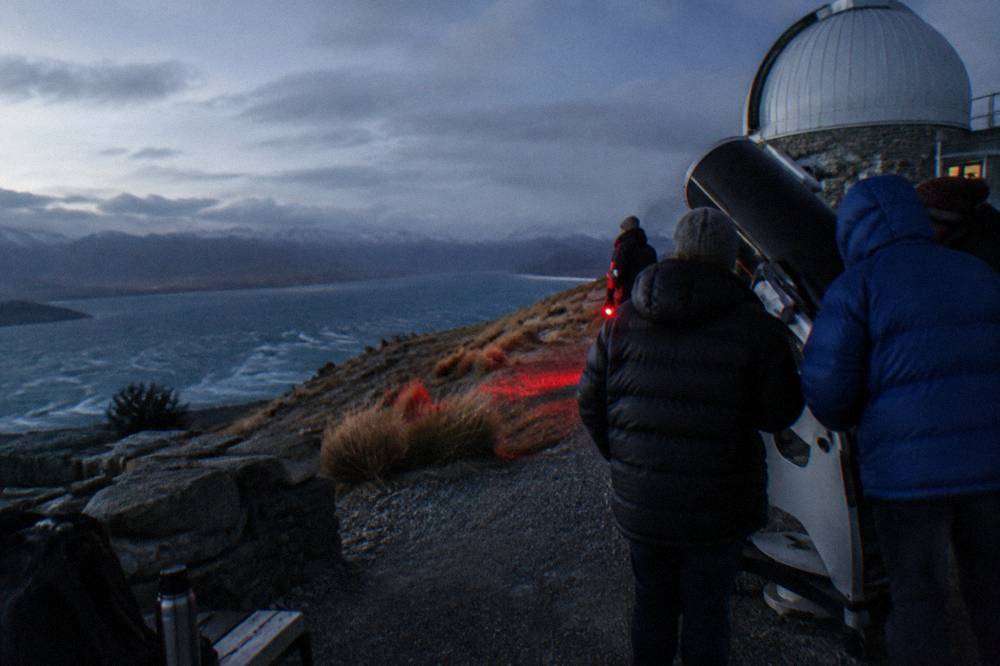
The structure is simple and it is the only tour of the 12 covered on this site that puts you inside a working observatory's dome. The coach leaves from the Dark Sky Project base at 1 Motuariki Lane on the lakefront; check in about 15 to 20 minutes before departure, because same-day booking can be possible but tours often sell out. On the summit the night splits between naked-eye sky reading with guide lasers and time at telescopes, including the 16 inch instrument in the dome. Photos are allowed with the flash off, and guides share astrophotography tips through the session.
Two physical realities shape who enjoys it. First, the summit sits at about 1,029 metres with high wind exposure, and it often snows there in winter. An extreme cold weather jacket is loaned on the Summit tour, which matters: jackets are not stated for the operator's other outdoor night, the Crater Experience at Cowan's Observatory. Second, the site is not fully step-free. There is a 100 metre gravel incline plus a few steps in the dark, moderate fitness is expected, and the tour is not wheelchair accessible.
Hotel pickup is stated as not included on this tour, so the plan is your own transport to the lakefront base. For a fuller side-by-side of the operator's two outdoor nights, see the Dark Sky Project Summit vs Crater comparison; for the wider field, the Lake Tekapo stargazing tours compared guide lays out all three categories.
How Much Does The Mount John Observatory Tour Cost?
The Mount John Summit Stargazing Experience is priced from $135.00 per person for 1 hour 45 minutes, the highest of the Tekapo outdoor stargazing nights covered here. The operator's two alternatives from the same lakefront base cost from $78.00 for the Crater Experience and from $34.70 for the indoor cultural astronomy session.
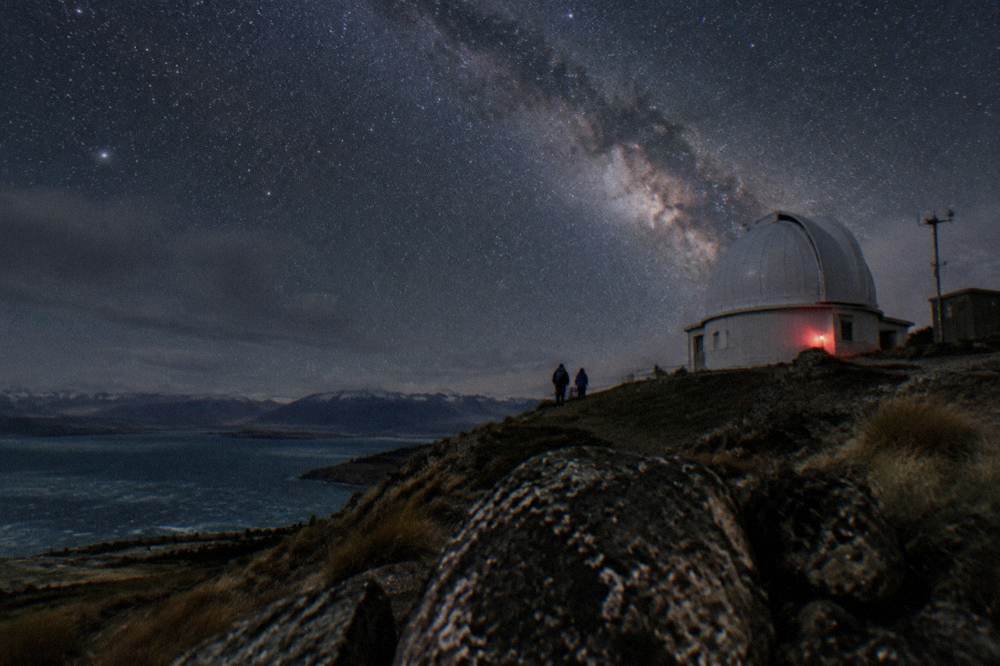
Price alone does not settle the choice, because the three nights sell different things. The summit sells altitude, the dome and the coach-only road. The crater sells wind shelter and a lower minimum age of 5 against the summit's 10. The indoor session, at 45 minutes and 4.4 across 80 reviews, is a cultural astronomy exhibit built around a restored 125-year-old Brashear telescope on display, with no outdoor sky viewing, so it is a weatherproof evening rather than a stargazing substitute. All 12 booking pages across the tours covered here state free cancellation up to 24 hours before the start for a full refund.
| Tour | Price per person | Duration | Rating and reviews | Minimum age |
|---|---|---|---|---|
| Mount John Summit Stargazing Experience | from $135.00 | 1 hour 45 minutes | 4.6 across 348 reviews | 10 |
| Crater Experience at Cowan's Observatory | from $78.00 | 75 minutes | 4.6 across 91 reviews | 5 |
| Indoor Dark Sky Cultural Astronomy Experience | from $34.70 | 45 minutes | 4.4 across 80 reviews | - |
| Alpine Stargazing Experience with a Guide | from $56.00 | 1 hour 15 minutes | 4.6 across 864 reviews | - |
| Chameleon Stargazing Shared Tour | from $73.00 | 1 hour 30 minutes | 4.9 across 789 reviews | 5 |
The two bottom rows are the price contrast worth knowing. The Alpine Stargazing Experience with a Guide, run by Silver River Stargazing from 12 Rapuwai Lane, is one of three tours tied as the cheapest outdoor night covered here at from $56.00, alongside the Mt Cook and Twizel Zen equivalents, and it includes a shuttle to a private 50,000-acre farm site with 14 inch telescopes, astro-lasers, loaned warm down jackets and a complimentary digital photo. It gives up the observatory dome and the summit altitude, and keeps most of the dark sky. For the budget angle in depth, the how much does a stargazing tour at the Tekapo observatory cost post breaks the whole price ladder down.
What Do You Actually See From The Mount John Summit?
On a clear night the summit tour offers naked-eye sky reading with laser pointers, telescope viewing outdoors and the 16 inch telescope inside the observatory dome, with the Southern Hemisphere's stars, planets and deep-sky objects the guides target depending on the season, the moon and the weather. Nothing about the sky is guaranteed.
The honest framing matters here because no operator can promise an object or a condition. Dark Sky Project says plainly that it cannot guarantee clear skies, the Milky Way or the Aurora Australis, and it runs no aurora tours. What the summit reliably provides is the darkest accessible high point at Lake Tekapo, the guidance to read it, and instruments most visitors never get to look through. The moon question is worth checking against your dates: a new moon gives the darkest sky and a full moon washes out faint stars and the Milky Way, which is the operator's own FAQ wording, and the Lake Tekapo stargazing moon phase calendar tracks the dark windows.
Timing shifts with the seasons more than many visitors expect. New Zealand daylight time began on 27 September 2026 and runs to early April 2027, so summer astronomical darkness starts very late, between about 22:22 and 23:24 local clock time in November 2026, with only 4.1 to 6 hours of true darkness per night that month. Winter nights are far longer, about 10.5 to 11.3 hours of darkness in May 2027, and Dark Sky Project says winter months are often the clearest and darkest, though it is cold at night even in summer. The what time do the stars come out at Lake Tekapo stargazing tours post covers the clock times in detail.
If the summit date is full, the same operator's crater night keeps you outdoors with powerful 14 inch telescopes from purpose-built observation craters at Cowan's Private Observatory, a short drive away, sheltered from wind and light, with a minimum age of 5 that makes it the family option.
Is The Mount John Summit Road Worth Visiting In The Daytime?
Yes, for the view. The daytime summit road is open to cars for a small per-vehicle fee paid at the gate, vehicles over 12 seats are excluded, and the drive is about 15 minutes from the village to the Astro Cafe.
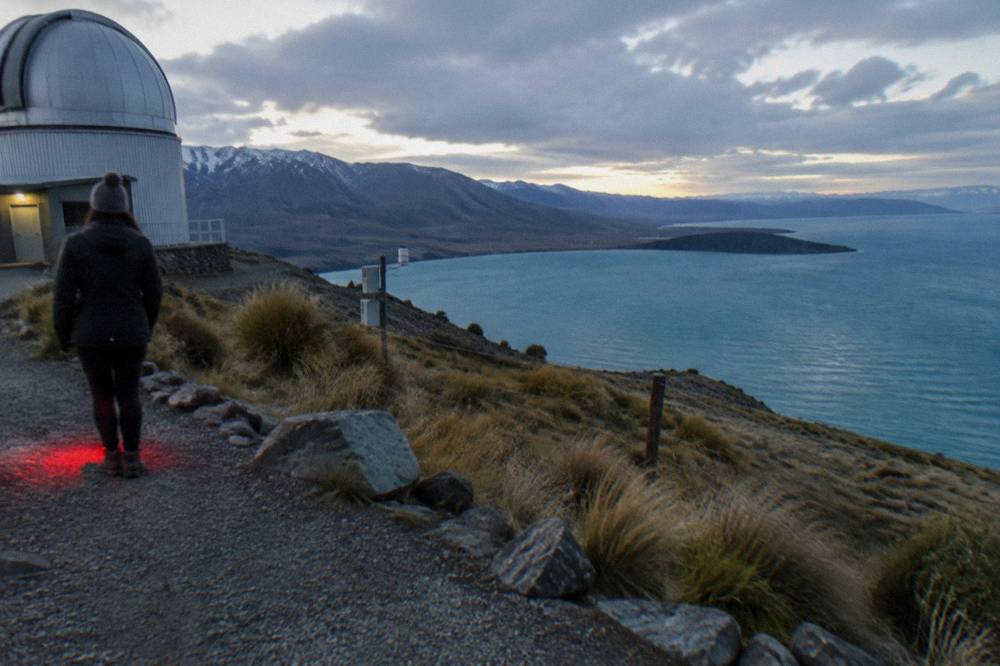
The daytime visit delivers something the night tour cannot: the full colour of Lake Tekapo's turquoise water against the Mackenzie Basin, seen from the ridge that carries the domes. Mount John is the University of Canterbury's research observatory, and the four research-grade telescopes are used throughout the year, so the summit in daylight is a working science site with a private road up to it rather than a theme park. Give the cafe its own slot if the day is clear; it has a following for good reason, though its hours change with the season, so check before promising anyone a coffee. The wider set of guides lives on Lake Tekapo Stargazing.
Nothing about the summit road itself changes, and the gate fee is per vehicle rather than per person.
Mount John Summit Or Cowan's Observatory: Which Lake Tekapo Tour Fits You?
Pick the Mount John Summit tour for altitude, the observatory dome and the committed 1 hour 45 minute experience from $135.00; pick the Crater Experience at Cowan's Observatory for the from $78.00 price, wind-sheltered craters, 14 inch telescopes and a minimum age of 5 that admits younger children the summit tour cannot.
This is the comparison most Tekapo visitors actually face, because both nights leave from the same lakefront base at 1 Motuariki Lane and both are weather dependent under the operator's terms. The differences come down to altitude, age, access and money. Wheelchair users can take part in the crater night by following the coach in their own vehicle, while the summit's gravel incline and steps in the dark rule it out. Jackets are loaned on the summit only; the crater night asks guests to layer their own warm clothing.
| Mount John Summit | Crater at Cowan's Observatory | |
|---|---|---|
| Price | from $135.00 | from $78.00 |
| Duration | 1 hour 45 minutes | 75 minutes |
| Minimum age | 10 | 5 |
| Getting there | Coach, about 15 minutes each way | Coach, about a 5 minute drive |
| Instruments | Naked eye, telescopes, 16 inch dome telescope | 14 inch telescopes from sheltered craters |
| Jackets | Extreme cold weather jacket loaned | Not stated |
| Rating | 4.6 across 348 reviews | 4.6 across 91 reviews |
| Wheelchair access | Not accessible | Yes, following the coach in your own vehicle |
Both carry the same operator weather terms: the team decides as close to departure as possible, low cloud is often blocked by the basin's topography so cloud alone does not always cancel, and if outdoor stargazing is not possible guests are offered an indoor alternative, a reschedule, a voucher or a refund. The Lake Tekapo stargazing weather and cloud cancellations guide goes through how that plays out in practice, and it is operator-specific, so do not carry Dark Sky Project's terms to any other company.
A third Lake Tekapo route exists for visitors who want neither coach: independent operators. Chameleon Stargazing, rated 4.9 across 789 reviews, meets at 70 Andrew Don Drive and caps groups at 14, with hot chocolate and marshmallows and a digital souvenir photo included, while the Lake Tekapo small group stargazing tours guide compares that whole field.
How Cold Is The Mount John Summit And What Should You Wear?
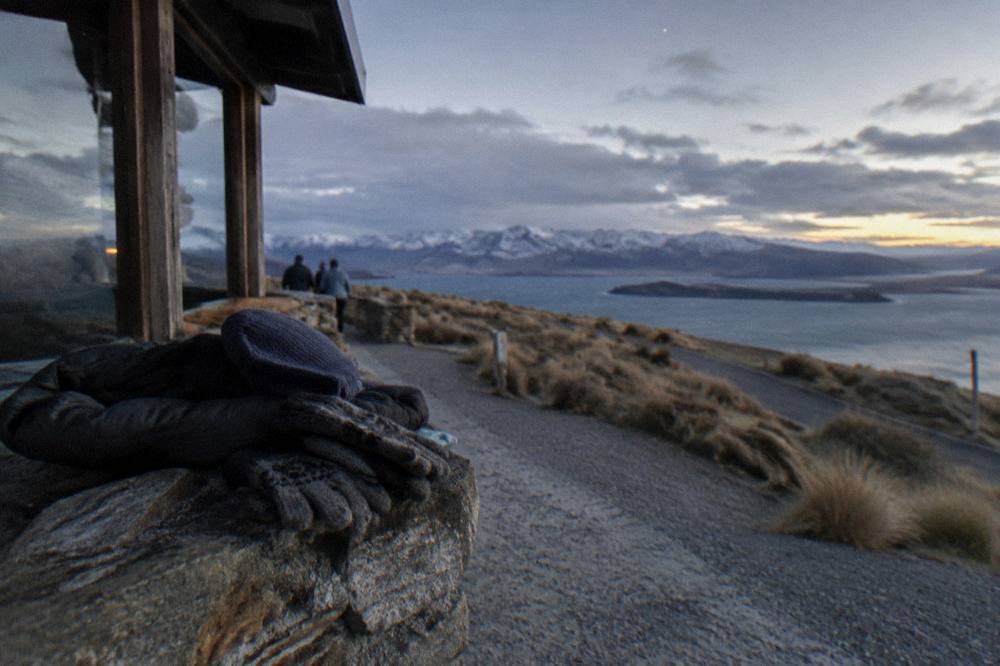
The summit sits at about 1,029 metres with high wind exposure and often snows in winter, and the operator loans an extreme cold weather jacket on the Summit tour only. Dark Sky Project's own clothing advice is thermals, long pants, a jersey, jacket and hat in summer, adding gloves, a scarf and sturdy ankle-covering shoes through winter.
The loan jacket solves the worst of it, but it does not cover hands, feet or head, and those are the parts that end nights early. The tour operator's FAQ is blunt that it is cold at night even in summer, which surprises visitors arriving from a warm afternoon in the village. Sturdy closed shoes matter on the gravel incline, walked in the dark. For the fuller packing treatment, including what to bring on tours where no jacket is loaned, see what to wear on a Lake Tekapo stargazing tour.
The same logic applies to children on the crater night or the Chameleon tour, where no jacket loan is stated: the youngest stargazers are the ones who feel the cold first, and both of those tours admit children from age 5, while Astro Tekapo's night starts at 6. Bring more layers than feels reasonable for the season; you can always leave a bag on the coach.
What Are The Alternatives If The Summit Tour Is Full?
If the Mount John Summit date is sold out, the closest substitutes are the Cowan's Observatory crater night from $78.00 from the same base, Silver River's Alpine Stargazing from $56.00 with loaned jackets and a farm shuttle, and Chameleon Stargazing from $73.00 with 4.9 across 789 reviews.
Sellouts are a real pattern rather than a scare line: the operator notes that tours often sell out and same-day booking is merely possible, not dependable. All four alternatives meet at or near the village and none requires you to re-plan your accommodation.
| Alternative | Price | Group max | What it trades against the summit |
|---|---|---|---|
| Crater Experience at Cowan's Observatory | from $78.00 | - | Same operator, no dome, sheltered craters, ages 5 and up |
| Alpine Stargazing Experience with a Guide | from $56.00 | 10 | Farm site instead of the observatory, jackets loaned, photo included |
| Chameleon Stargazing Shared Tour | from $73.00 | 14 | Seats, blankets, hot chocolate and marshmallows, souvenir photo |
| Hot Pools and Stargazing (Soak in the Stars) | from $102.63 | - | Soaking and stargazing combined, the one tour with township pickup on request |
The Hot Pools night deserves its own line for one practical reason: it is the only tour of the 12 that offers hotel pickup, on request from the Tekapo township and subject to availability, meeting otherwise at Tekapo Springs on Lakeside Drive. It also has the most forgiving cloud policy of any operator here in one specific sense: the tour runs even when cloud limits telescopes, with an indoor virtual reality session and the pools still included, and a 25 percent refund applies if under 30 minutes of telescope viewing happens.
How Do You Book And Plan The Mount John Night?
Book the Mount John Summit Stargazing Experience through the booking page, check in at 1 Motuariki Lane about 15 to 20 minutes before departure, and expect free cancellation up to 24 hours before the start for a full refund on the booking. Tekapo is about three hours by road from Christchurch or Queenstown, so most visitors book around an overnight stay.
The last point is the one people underestimate. In a month when darkness does not begin until after 22:00, a summit tour does not pair well with a same-night three hour drive back to a city, and winter roads between Tekapo and anywhere can carry ice after dark. The where to stay in Lake Tekapo for stargazing guide maps the practical geography, and the do I need to book a Lake Tekapo stargazing tour in advance post addresses the timing question directly.
The reserve designation itself is worth one paragraph of context before you commit a whole evening to it. Aoraki Mackenzie is listed by DarkSky International as an International Dark Sky Reserve designated in 2012, at 4,367 square kilometres the largest in the Southern Hemisphere, and Dark Sky Project calls it the first gold tier reserve. The village church that anchors so many daytime photos, the Church of the Good Shepherd, closes its fenced grounds at dusk, so a night photo is taken from outside the fence on public paths; no tour covered here visits it.
Whichever of the three you lean toward, the decision logic is the same: match the price to your budget, the minimum age to your group, and the weather terms to your flexibility, then book the date with the darkest moon window you can.
Common Questions About The Mount John Observatory Tour
Can You Drive Up Mount John Observatory At Night?
No. The summit road is closed to private vehicles in the evening, and the only night access is the Dark Sky Project Summit Experience coach. In the daytime the road opens to cars for a small per-vehicle fee paid at the gate.
How Much Does The Mount John Observatory Stargazing Tour Cost?
The Mount John Summit Stargazing Experience is priced from $135.00 per person for 1 hour 45 minutes, rated 4.6 across 348 reviews. The operator's crater night at Cowan's Observatory costs from $78.00 and the indoor cultural astronomy session from $34.70.
What Is The Minimum Age For The Mount John Summit Tour?
Ten years. The Crater Experience at Cowan's Observatory admits children from age 5, Chameleon Stargazing also from 5, and Astro Tekapo from 6.
Are Warm Jackets Provided On The Mount John Summit Tour?
Yes, an extreme cold weather jacket is loaned on the Summit tour. The operator does not state a jacket loan for its crater night, and Silver River's Alpine tour is the other listing that includes loaned warm down jackets.
Is The Mount John Summit Tour Wheelchair Accessible?
No. The site involves a 100 metre gravel incline plus a few steps in the dark and moderate fitness is expected. Wheelchair users can take part in the Crater Experience by following the coach in their own vehicle.
What Happens If The Weather Is Bad At Mount John?
Dark Sky Project decides as close to departure as possible, and low cloud is often blocked by the basin's topography, so cloud alone does not always cancel. If outdoor stargazing is not possible, guests are offered an indoor alternative, a reschedule, a voucher or a refund under that operator's terms.