Where Is The Best Place To Stargaze In New Zealand?
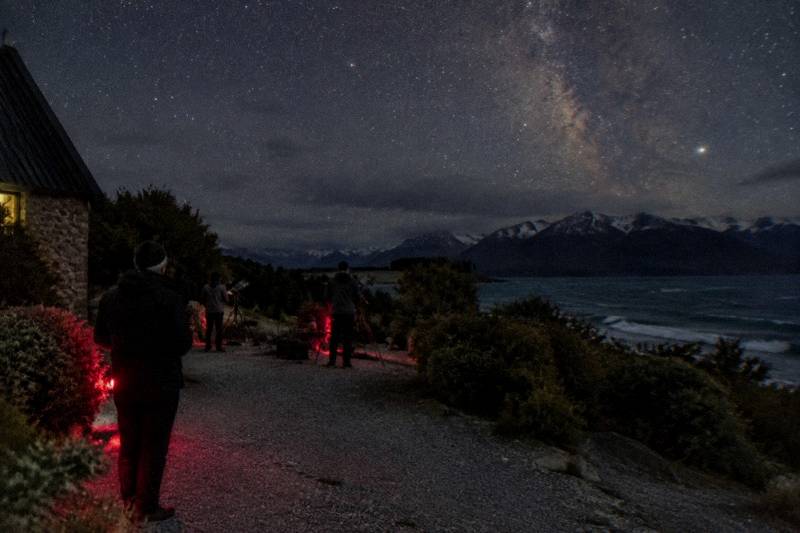
Lake Tekapo sits inside the Aoraki Mackenzie International Dark Sky Reserve, with Mount Cook and Twizel inside the same protected sky. Here is how the stargazing places and tours there compare.
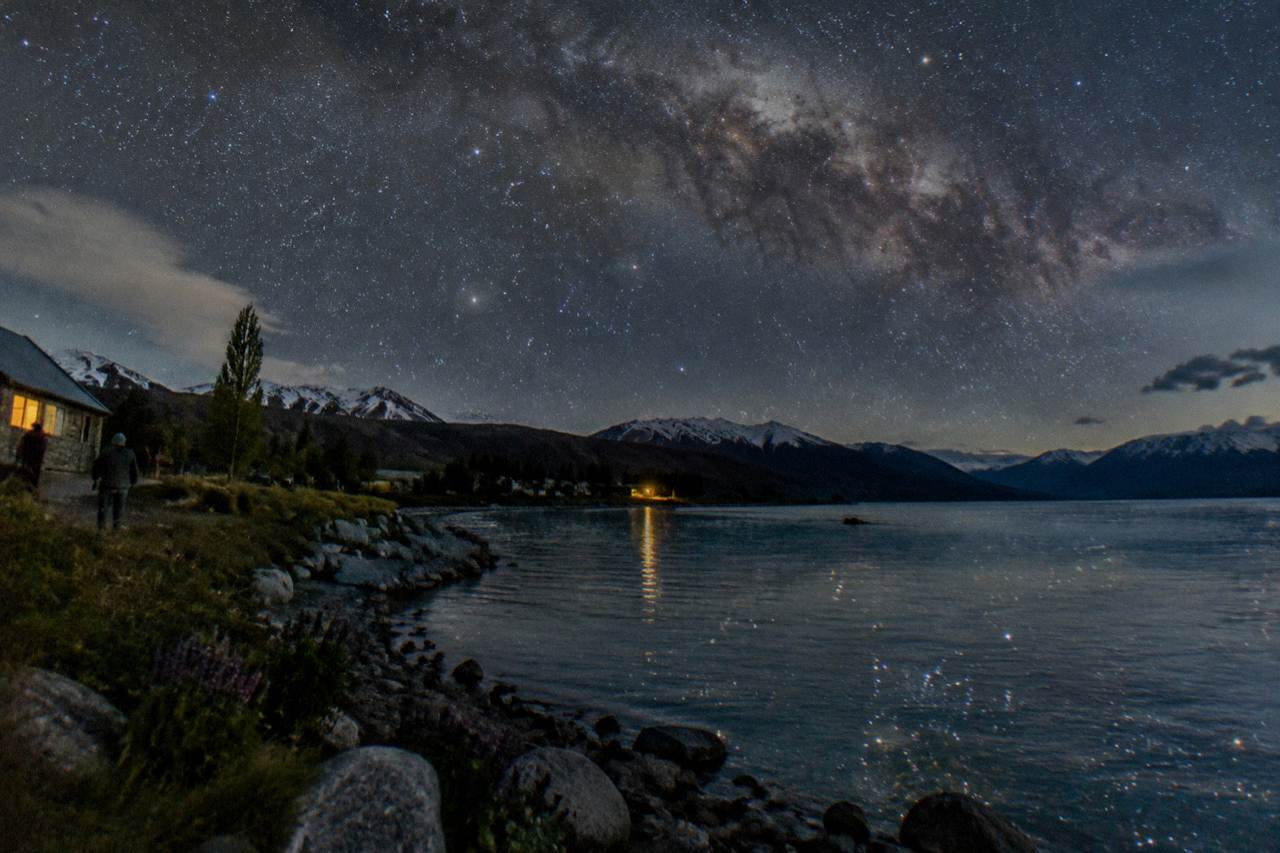
The strongest answer for most travellers is Lake Tekapo, inside the Aoraki Mackenzie International Dark Sky Reserve, the largest dark sky reserve in the Southern Hemisphere at 4,367 square kilometres. Mount Cook village and Twizel sit inside the same reserve, so all three places share one protected sky. This page compares the three, and the twelve guided tours you can book across them. For anyone wondering what that reserve status actually means for a night under the stars, the guide to Lake Tekapo's dark sky reserve status explains the details.
That is a deliberately narrow answer. DarkSky International lists the Aoraki Mackenzie reserve as an International Dark Sky Reserve designated in 2012, spanning Aoraki / Mount Cook National Park and the Mackenzie Basin. District plan lighting rules apply across the whole area:, which is why the sky above Tekapo, Twizel and Mount Cook stays as dark as it does.
Within the reserve, your practical choice comes down to three places. Lake Tekapo itself has the widest range of tours, from the Dark Sky Project base on the lakefront through to small independent operators working from private sites around the village. Mount Cook village, about 1 hour 15 minutes by road from Tekapo, puts you inside the national park section of the reserve. Twizel sits between the two and hosts several of its own tours, all meeting in Twizel itself rather than in Tekapo.
Every one of the twelve tours covered here states free cancellation up to 24 hours before the start for a full refund, so the booking itself carries little risk if your plans shift.
Why Does Lake Tekapo Have Such A Dark Sky?
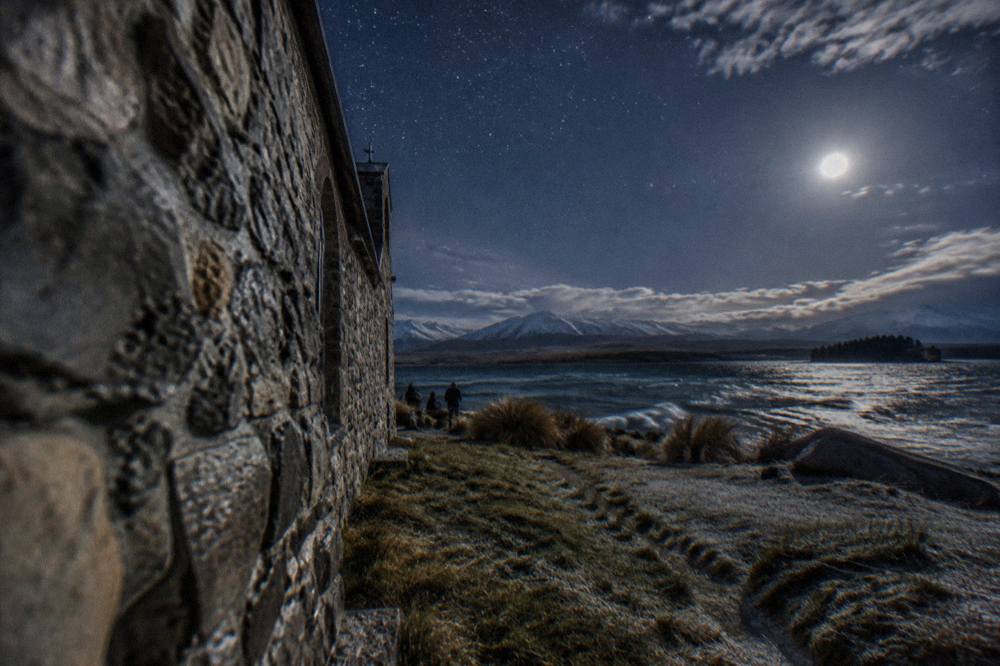
Lake Tekapo's darkness is protected rather than lucky. The town sits inside a 4,367 square kilometre international dark sky reserve designated in 2012, where district plan lighting rules. Mount John Observatory above the village is the University of Canterbury's research observatory, the largest professional research observatory in New Zealand.
That research presence matters for visitors more than most people realise. Mount John carries four research-grade telescopes used throughout the year, which is the reason the road above the village is closed to private vehicles in the evening: night access is by the tour coach only. The village below stays small and its lighting stays controlled, so the sky over the lake remains dark enough that a guided tour can run naked-eye sections before anyone looks through a telescope.
The surrounding geography helps too. The Mackenzie Basin is ringed by mountains, and Dark Sky Project notes that low cloud is often blocked by the basin's topography, so a cloudy forecast does not automatically mean a cancelled night. Forecasts are indicative, and the operator decides as close to departure as possible.
For travellers, the practical outcome is simple. You can base yourself in one village, walk to a check-in point, and be at a telescope site within minutes. The full picture of what the reserve protects is covered in the guide to Aoraki Mackenzie dark sky reserve stargazing tours, which goes deeper into the reserve's boundaries and rules.
The Chameleon Stargazing Shared Tour is a good example of how Tekapo works. It checks in at 70 Andrew Don Drive, a four minute drive or about a 25 minute walk from the village centre, runs 90 minutes with a maximum of 14 guests, and moves from about 30 minutes of naked-eye guiding under that protected sky into telescope time on a 9.25 inch instrument plus a smart telescope. It is rated 4.9 across 789 reviews, from $73 per person, with hot chocolate and marshmallows and a digital souvenir photo included. Minimum age is 5, and free cancellation applies up to 24 hours before the start for a full refund.
Which Lake Tekapo Stargazing Tours Can You Book?
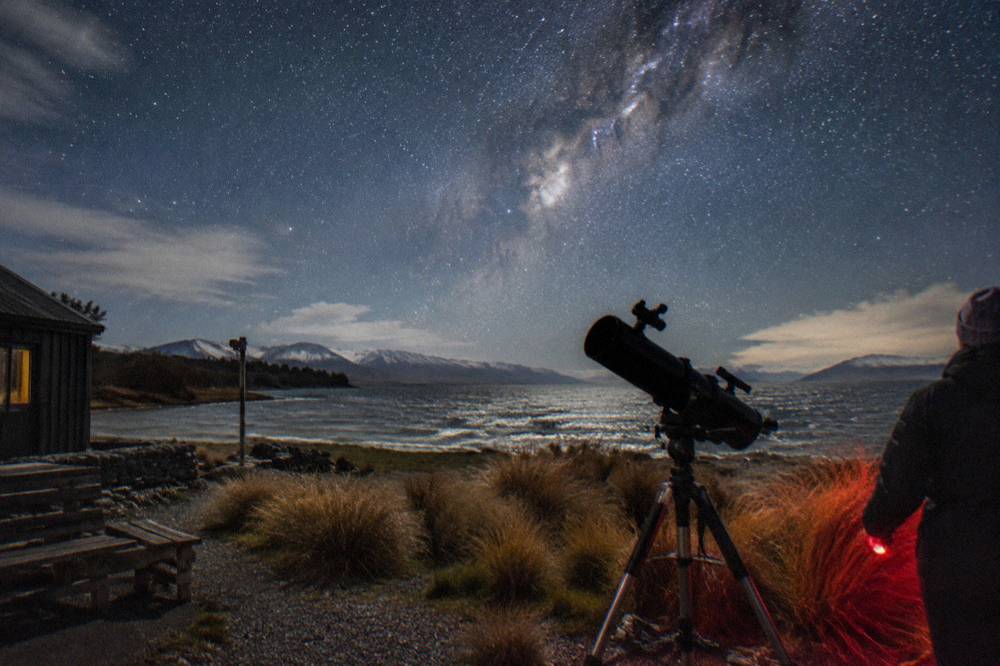
Lake Tekapo has eight of the twelve tours covered here, spanning from $34.70 to $135 per person. They split into three groups: Dark Sky Project's observatory experiences, small group tours by independent operators, and one hot pools and stargazing combination. Durations run from 45 minutes to 2 hours, and every tour has a stated meeting point in or beside the village.
Dark Sky Project, based at 1 Motuariki Lane on the lakefront, runs the Mount John Summit Stargazing Experience and the Crater Stargazing Experience at Cowan's Observatory, plus the Indoor Dark Sky Cultural Astronomy Experience. The Summit tour is the dearest of the twelve at from $135 per person, rated 4.6 across 348 reviews, lasting 1 hour 45 minutes including coach transport up the mountain; minimum age is 10 and a warm jacket is loaned. The Crater experience at Cowan's Private Observatory costs from $78 per person, runs 75 minutes from minimum age 5, and uses purpose-built observation craters that shelter guests from wind and light. The indoor session, from $34.70, is a 45 minute guided exhibit including a restored 125 year old Brashear telescope, and involves no outdoor sky viewing at all: it is an indoor cultural astronomy experience, not stargazing.
The independent operators cluster at the affordable end. The Alpine Stargazing Experience with a Guide, from $56 per person and rated 4.6 across 864 reviews, checks in at Kiwi Treasure, 12 Rapuwai Lane, then shuttles to a private 50,000 acre farm with 14 inch telescopes, warm jackets and a complimentary photo, capped at 10 guests. The Ultimate Stargazing Experience, from $125.56, runs 2 hours with a 16 inch telescope for a maximum of 10. Astro Tekapo's Astro Experience, from $59 with an 11 review pool too small for a rating claim, meets at its own site in Takapo Regional Park, four minutes by car from the village. Tekapo Springs and Tekapo Stargazing run Soak in the Stars, from $102.63, combining the hot pools with guided sky viewing, the only tour of the twelve offering hotel pickup from the township, on request and subject to availability.
The Alpine tour deserves its own word because it is the value anchor of the Tekapo set. At from $56 per person it ties with the Mount Cook and Twizel Zen tours as the cheapest outdoor night of the twelve, and it is the most reviewed tour anywhere on this site at 864 reviews, rated 4.6. For help choosing among the village operators, the guide to Lake Tekapo small group stargazing tours compares them side by side.
The hot pools tour is the format outlier, and its cloud policy is unique to its operator. Soak in the Stars runs even when cloud limits telescopes, with an indoor virtual reality session instead and the hot pool entry still included, and a 25 percent refund applies if under 30 minutes of telescope viewing happens. It is rated 4.3 across 121 reviews, minimum age 10, from $102.63 per person.
| Tour | Place | From (USD, per person) | Rating / reviews | Duration | Meets |
|---|---|---|---|---|---|
| Mount John Summit Stargazing Experience | Lake Tekapo | $135.00 | 4.6 / 348 | 1 hr 45 min | 1 Motuariki Lane |
| Crater Stargazing at Cowan's Observatory | Lake Tekapo | $78.00 | 4.6 / 91 | 75 min | 1 Motuariki Lane |
| Indoor Dark Sky Cultural Astronomy Experience | Lake Tekapo | $34.70 | 4.4 / 80 | 45 min | 1 Motuariki Lane |
| Chameleon Stargazing Shared Tour | Lake Tekapo | $73.00 | 4.9 / 789 | 1 hr 30 min | 70 Andrew Don Drive |
| Alpine Stargazing Experience with a Guide | Lake Tekapo | $56.00 | 4.6 / 864 | 1 hr 15 min | 12 Rapuwai Lane |
| Ultimate Stargazing Experience | Lake Tekapo | $125.56 | 5.0 / 17 | 2 hr | 12 Rapuwai Lane |
| Astro Experience (Astro Tekapo) | Lake Tekapo | $59.00 | 4.8 / 11 | 1 hr 30 min | Takapo Regional Park |
| Hot Pools and Stargazing (Soak in the Stars) | Lake Tekapo | $102.63 | 4.3 / 121 | 1 hr 30 min | 300 Lakeside Drive |
Neither price is a promise of the sky on your night: every outdoor tour is weather dependent on its own operator's terms.
What About Stargazing At Mount Cook And Twizel?
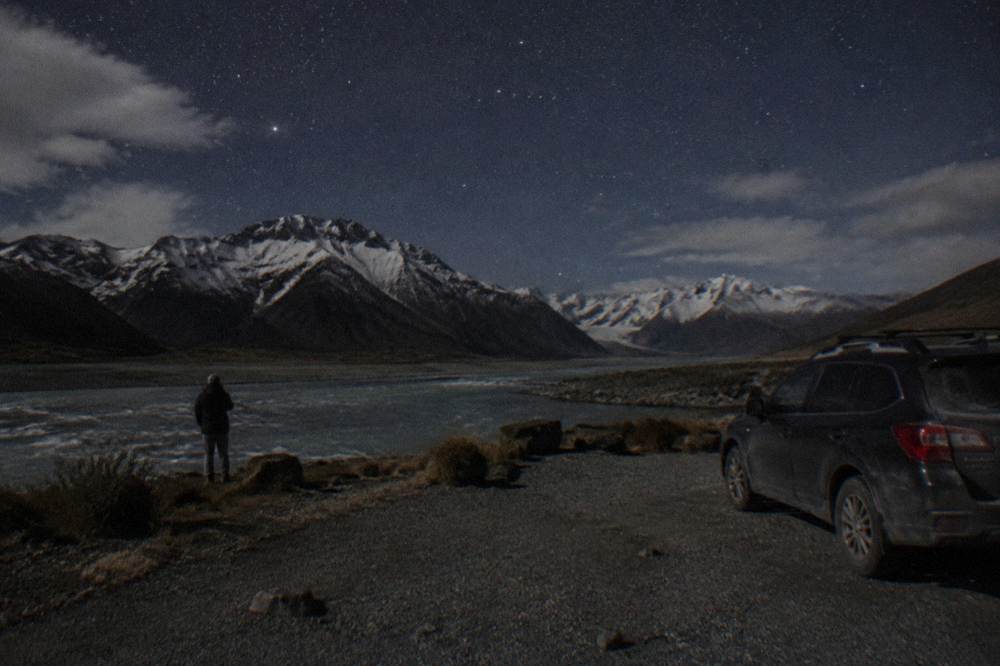
Mount Cook village and Twizel sit inside the same dark sky reserve as Tekapo and host the other four tours, all priced between $56.00 and $68.23 per person. The Mount Cook tour meets at the Tasman Glacier Car Park in the national park; the Twizel tours meet in Twizel itself. No booking page states a transfer from Lake Tekapo, so they suit travellers already based there.
The Mt Cook Stargazing Experience, from $56 per person and rated 4.8 across 17 reviews, is run by Silver River Stargazing, the same family behind Tekapo's Alpine and Ultimate tours. It runs 1 hour 15 minutes from the Tasman Glacier Car Park on Tasman Valley Road, using high quality telescopes for deep sky observation, and includes a photo. Aoraki / Mount Cook village is about 1 hour 15 minutes by road from Tekapo, and the village is inside the reserve, so the sky is protected by the same lighting rules.
Twizel, which sits between Tekapo and Mount Cook, has three tours of its own. The Twizel Stargazing Tour with an Astronomer and Telescope, from $67.00 per person, is rated a perfect 5.0 across 77 reviews, runs 75 minutes from minimum age 6, and pairs a powerful telescope with a laser-guided tour. The Twizel Stargazing Experience with a Guide, from $68.23, carries just 7 reviews and caps groups at 20. The Twizel Japanese-Language Zen Stargazing Experience, from $56.00, is a new listing conducted in Japanese, meeting at Market Place in Twizel: it is a genuine option for Japanese-speaking travellers and includes telescope viewing of the Moon, planets and star clusters, plus a hot drink and a photo.
One caution applies to driving between these places at night. State highways 8 and 80 can carry black ice, frost, freezing fog and stock or wildlife in the cold months, so check conditions before setting out after dark. The NZTA Journey Planner at journeys.nzta.govt.nz is the official source for road conditions, and no road should be assumed open.
When Is The Sky Darkest Around Lake Tekapo?
Darkness varies enormously by season. Astronomical darkness lasts only 3.5 to 4 hours per night in December but 11.3 to 11.5 hours in June, and nights with at least 3 moon-free dark hours range from 12 of 31 in December to 21 of 31 in May. New moon nights give the darkest sky, while a full moon washes out faint stars and the Milky Way.
Because New Zealand daylight time runs until early April 2027, summer darkness starts very late: in December 2026, astronomical darkness does not begin until between 23:26 and 23:54 local time, and it lasts under four hours. By March 2027 darkness stretches to 7.3 to 9.1 hours per night and starts between 21:11 and 22:11, which suits a tour that ends at a reasonable hour. The full monthly picture, including new and full moon dates through 2027, is in the Lake Tekapo stargazing moon phase calendar.
| Month | Astronomical darkness per night | Darkness starts (local clock) | Nights with 3+ moon-free dark hours |
|---|---|---|---|
| November 2026 | 4.1 to 6 hours | 22:22 to 23:24 | 13 of 30 |
| December 2026 | 3.5 to 4 hours | 23:26 to 23:54 | 12 of 31 |
| January 2027 | 3.6 to 5.3 hours | 23:53 to 23:12 | 13 of 31 |
| March 2027 | 7.3 to 9.1 hours | 22:11 to 21:11 | 18 of 31 |
| June 2027 | 11.3 to 11.5 hours | 18:56 to 18:58 | 20 of 30 |
| September 2027 | 8.1 to 9.6 hours | 19:50 to 21:26 | 18 of 30 |
No month is a promise. Dark Sky Project says its winter months are often the clearest and darkest, and that moon-free nights are darkest, but it also states it cannot guarantee clear skies, the Milky Way or the Aurora Australis, and it runs no aurora tours. The right reading of the table is about how much dark, moonless time exists for a tour to use, not about what you will see. It is cold at night even in summer, and the what to wear guide covers the layering that the operators themselves recommend.
How Do You Choose Between Tekapo, Mount Cook And Twizel?
Choose Lake Tekapo for range and convenience: eight tours, three operator families, and meeting points within minutes of the village. Choose Mount Cook if you are already sleeping in the national park and want the mountain sky without a night drive. Choose Twizel for slightly lower prices and a small town base between the two, including the region's only Japanese-language tour.
Base your trip on where you sleep, not on which sky is theoretically superior, because all three places sit under the same reserve and the same lighting rules. If Tekapo is your base, the summit experience at Mount John and the small group farm tours give you two very different nights in one stay, and a backup indoor option exists in the cultural astronomy exhibit for a clouded evening. If your itinerary already includes Aoraki / Mount Cook village, the Mount Cook tour meets inside the park and saves you the drive back over SH80 at night. If you are driving between Christchurch and Queenstown, Tekapo is about three hours by road from both, which is why most stargazing trips centre there.
Budget rarely decides it. The spread across the whole set runs from $34.70 for the indoor exhibit to $135 for the Mount John summit, and each of the three places has a tour at or near $56.00. What actually differs is format: coach-and-observatory at Dark Sky Project, farm shuttle and laser pointing at Silver River, seated small group viewing at Chameleon, or pools plus sky at Tekapo Springs. The comparison guide to Lake Tekapo stargazing tours compared works through those formats in detail. For the backstory, the guide to why Tekapo earned its stargazing fame explains the reserve designation, Mount John Observatory, and the lighting rules behind it all.
Book ahead rather than on arrival. Dark Sky Project says its tours often sell out and same day booking is only sometimes possible, and the small group tours cap at 10 to 14 guests by design. Winter nights are longer and often clearer by that operator's account, but they are genuinely cold, so the free cancellation window on all twelve booking pages, up to 24 hours before the start for a full refund, is the practical safety net for a trip built around one clear night.
For everything from moon dates to clothing to free viewing spots, Lake Tekapo Stargazing collects the region's research in one place, and the pages there are built around exactly these twelve bookable nights.
Common Questions About Stargazing In New Zealand
Where Is The Best Place To Stargaze In New Zealand?
Lake Tekapo, inside the Aoraki Mackenzie International Dark Sky Reserve, a 4,367 square kilometre protected area designated in 2012. Mount Cook and Twizel sit inside the same reserve and offer four more guided tours between them.
Is Lake Tekapo The Darkest Place In New Zealand?
The Aoraki Mackenzie reserve is the largest dark sky reserve in the Southern Hemisphere at 4,367 square kilometres, and Dark Sky Project calls it the first gold tier reserve. Tekapo sits inside it, with district plan lighting rules controlling light across the whole basin.
Can You Stargaze Without A Tour At Lake Tekapo?
Yes, the lakefront and surrounding public spots are usable on your own, and the free stargazing spots guide covers them. A guided tour adds telescopes, a guide and, on some tours, jackets and photos, but the protected sky itself is free to stand under.
How Much Does A Stargazing Tour In New Zealand Cost?
Across the twelve tours covered here, from $34.70 for a 45 minute indoor cultural astronomy exhibit to $135 for the 1 hour 45 minute Mount John summit experience. Nine of the twelve sit at or below $78 per person.
Is Twizel Or Lake Tekapo Better For Stargazing?
Both sit inside the same dark sky reserve. Tekapo has eight tours and the Mount John Observatory; Twizel has three tours priced from $56.00 to $68.23, including a Japanese-language option. Choose based on where you are staying.