Is The Dark Sky Project Stargazing Tour Worth It?
An honest look at the Dark Sky Project stargazing tours at Lake Tekapo: Summit and Crater prices, what is included, review counts, weather rules and who each tour suits.
For most first time visitors to Lake Tekapo, yes, one of the Dark Sky Project's outdoor nights earns its price, provided the right tour is matched to the right traveller. The Summit experience, from $135.00 per person, suits adults and older children who want the observatory dome and a high, dark vantage point. The Crater experience, from $78.00, suits families and value hunters.
The Dark Sky Project is the operator most people mean when they say the Tekapo stargazing tour. It runs from a base at 1 Motuariki Lane on the Lake Tekapo lakefront, and it offers three very different products: the Mount John Summit Stargazing Experience at from $135.00 per person, the Crater Stargazing Experience at Cowan's Observatory at from $78.00, and a 45 minute indoor session at from $34.70 that is not stargazing at all, a point worth pausing on before anyone books it expecting a sky. The differences between those formats carry over to accessibility too, and the breakdown of wheelchair access for each Tekapo stargazing experience explains exactly what to ask before booking.
The honest answer to the worth question is that it splits by tour and by traveller. The Summit night is the dearest of the three and the only one that puts you on the Mount John summit, at 1,029 metres, inside a working research observatory's dome with a 16 inch telescope. The Crater night costs a little over half as much and takes a coach to Cowan's Private Observatory, where purpose built observation craters shelter guests from wind and stray light. Both are rated 4.6 by guests: the Summit across 348 reviews and the Crater across 91.
There is a lot of context that decides whether the money feels well spent: the time of year, the moon, the weather policy, the minimum ages, and what the smaller independent operators at Tekapo offer for less. This article works through all of it, tour by tour, and finishes with a verdict by traveller type. All 12 booking pages across the tours covered here state free cancellation up to 24 hours before the start for a full refund, which lowers the risk of booking ahead of a forecast.
What Does The Mount John Summit Tour Include For The Price?
The Summit experience costs from $135.00 per person, runs 1 hour 45 minutes, and includes coach transport from the Lake Tekapo base to the Mount John Observatory summit at 1,029 metres, a guided session with lasers, telescopes and a 16 inch telescope in the dome, and an extreme cold weather jacket loan. Minimum age is 10. It is rated 4.6 across 348 reviews.
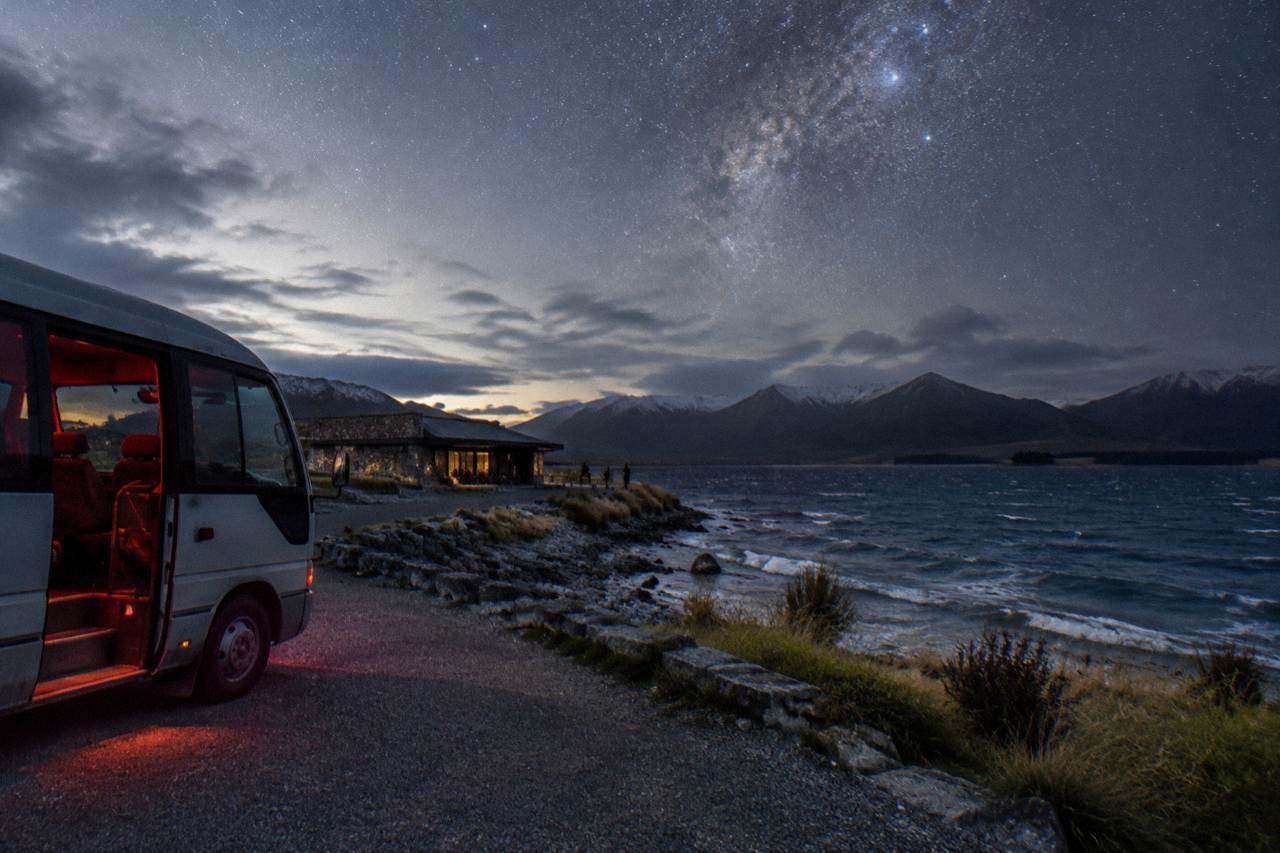
That is the most reviewed of the operator's three products by a wide margin, and the price buys something genuinely difficult to arrange alone: legal night access to the Mount John summit. Visitors cannot drive up Mount John in the evening. The private access road is open in the daytime, with a small per vehicle fee paid at the gate, but after dark the summit is reachable only on the operator's coach, about 15 minutes each way, which is folded into the 1 hour 45 minute duration.
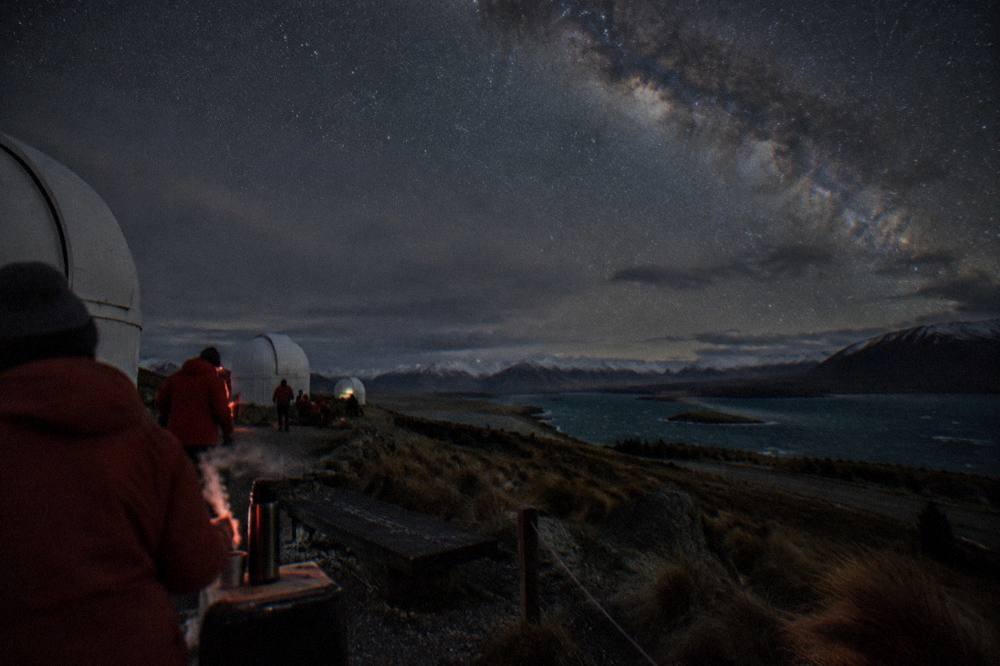
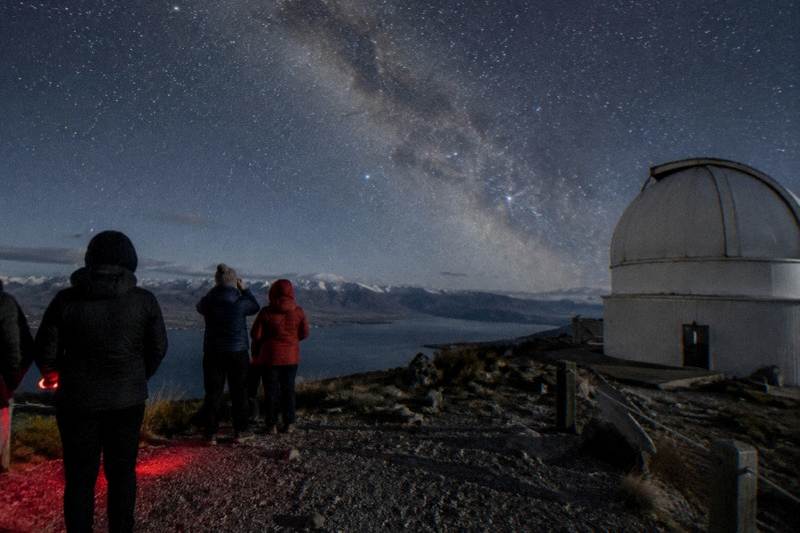
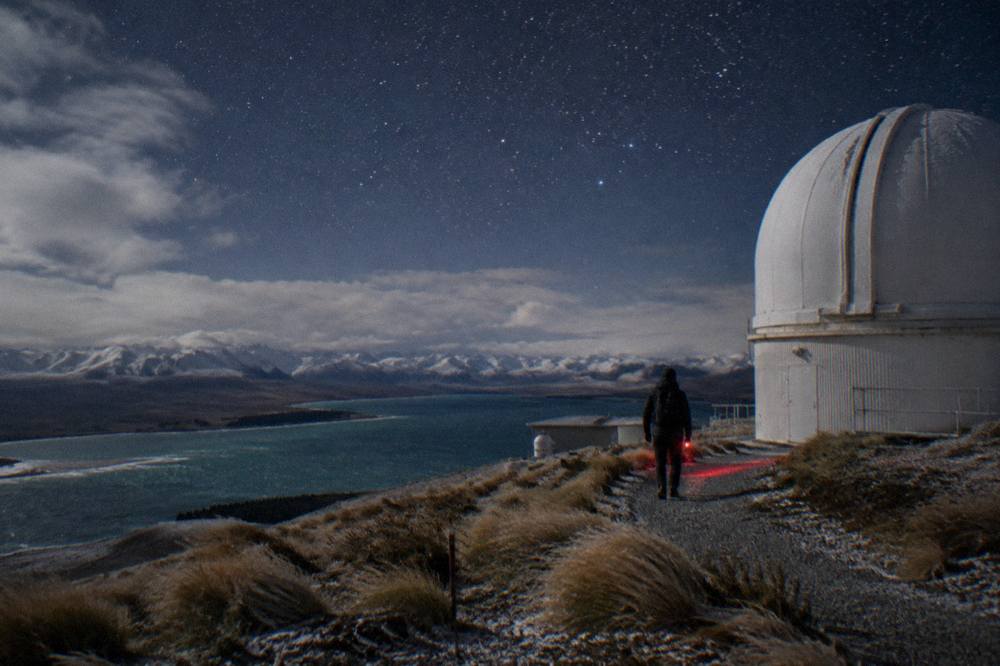
What the tour actually delivers on the summit is a mix of naked eye and instrument viewing. Guides use lasers to point out features of the southern sky, then move guests through telescopes, finishing in the dome where a 16 inch telescope sits under Mount John's night. Mount John is the University of Canterbury's research observatory, New Zealand's largest professional research observatory, with four research grade telescopes used throughout the year. The summit sits at about 1,029 metres with high wind exposure and it often snows there in winter, which is why the jacket loan matters.
A few practicalities shape whether it is worth it. The tour asks for moderate fitness: a 100 metre gravel incline plus a few steps in the dark. It is not wheelchair accessible. Photos are allowed with the flash off, and guides share astrophotography tips. Check in is at the lakefront base about 15 to 20 minutes before departure, and same day booking can be possible, though tours often sell out. Hotel pickup is stated as not included; the meeting point is the base at 1 Motuariki Lane.
Clothing deserves a sentence of its own because it changes the experience. The operator's own guidance for the Summit is thermals, long pants, a jersey, a jacket and a hat in summer, and thermals, a snow jacket, gloves, a scarf, a hat and sturdy ankle covering shoes in winter. It is cold at night on the summit even in summer, per the operator's FAQ, and jackets are loaned on the Summit tour only, never on the Crater tour.
For readers weighing the flagship night against other ways to spend the evening at Tekapo, the deeper Mount John Observatory stargazing tour guide covers the summit night in full, and the Dark Sky Project Tekapo stargazing tour page walks through the operator's whole lineup.
What Is The Crater Experience At Cowan's Observatory Like?
The Crater Stargazing Experience at Cowan's Observatory costs from $78.00 per person, runs 75 minutes, and takes a short coach ride, about a 5 minute drive, to purpose built observation craters with 14 inch telescopes and a dome. Minimum age is 5. It is rated 4.6 across 91 reviews, and no jacket loan is stated for this tour.
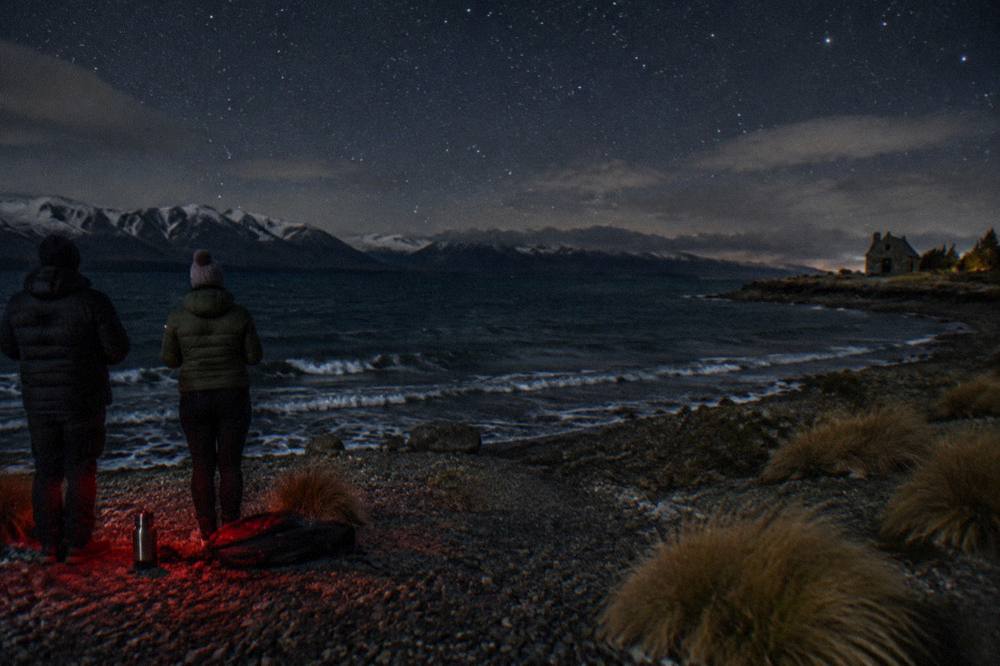
This is the family option of the pair, and the two facts that matter most are the minimum age of 5 against the Summit's 10, and the price gap between the two products. For a family of four with young children, that gap compounds quickly: the Crater night for two adults and two children costs meaningfully less than the Summit would, and the children can actually come.
The setting is different in character rather than simply cheaper. Cowan's Private Observatory uses purpose built observation craters, sunken viewing positions that shelter guests from wind and light spill, with 14 inch telescopes and a dome. Guests are told to layer warm clothing, and it is worth repeating that jackets are not stated for this tour, unlike the Summit, so families should bring their own warm layers for young children.
One accessibility note that rarely appears in summaries: wheelchair users can take part in the Crater experience, following the coach in their own vehicle, where the Summit tour is not wheelchair accessible. That single difference decides the question for some travellers on its own. Hotel pickup is stated as not included; the meeting point is the same lakefront base at 1 Motuariki Lane.
The Crater tour also earns its place on value grounds when compared beyond the operator. It sits between the small group independents on price: the Alpine Stargazing Experience with a Guide at Tekapo is from $56.00, and Chameleon Stargazing's shared tour is from $73.00. Whether the Crater night or an independent tour is the better buy depends on what the traveller wants, which the comparison section below works through.
Between the two, readers deciding by budget alone can compare the two Dark Sky Project nights directly, and the dedicated Summit vs Crater Experience comparison does exactly that, line by line.
Is The Indoor Dark Sky Session The Same As Stargazing?
No. The Indoor Dark Sky Cultural Astronomy Experience is a 45 minute indoor exhibit session at from $34.70 per person, rated 4.4 across 80 reviews, with a restored 125 year old Brashear telescope on display and guided commentary on Maori understanding of the sky. It involves no outdoor sky viewing and should not be booked by anyone expecting to look through a telescope at stars.
This distinction matters because the indoor session is the cheapest Dark Sky Project product, and a traveller sorting by price could easily book it believing they have found a bargain stargazing night. They have not. It is an indoor cultural astronomy experience, four guided zones, a beautiful historic instrument on show, and it operates whatever the weather because the sky plays no part in it.
None of that makes it a bad product. As a rainy night activity at Tekapo, or as an introduction to how Maori tradition reads the southern sky, it has real value at from $34.70, and the group maximum of 26 keeps it manageable. The Brashear telescope alone, restored and 125 years old, is a genuine artefact. But a fair verdict has to say plainly: it is not stargazing, and mixing it into a value comparison with the outdoor nights would be misleading.
It does have one legitimate planning use beyond rainy nights. Because it is weather independent and operates on a steady schedule, it works as a backup for travellers whose outdoor night is clouded off, alongside the reschedule or refund options the operator offers. Booking both, the indoor session early in a stay and an outdoor night later, is a sensible pattern for anyone on a short visit during an unsettled spell.
How Does The Dark Sky Project Handle Cloud And Cancellations?
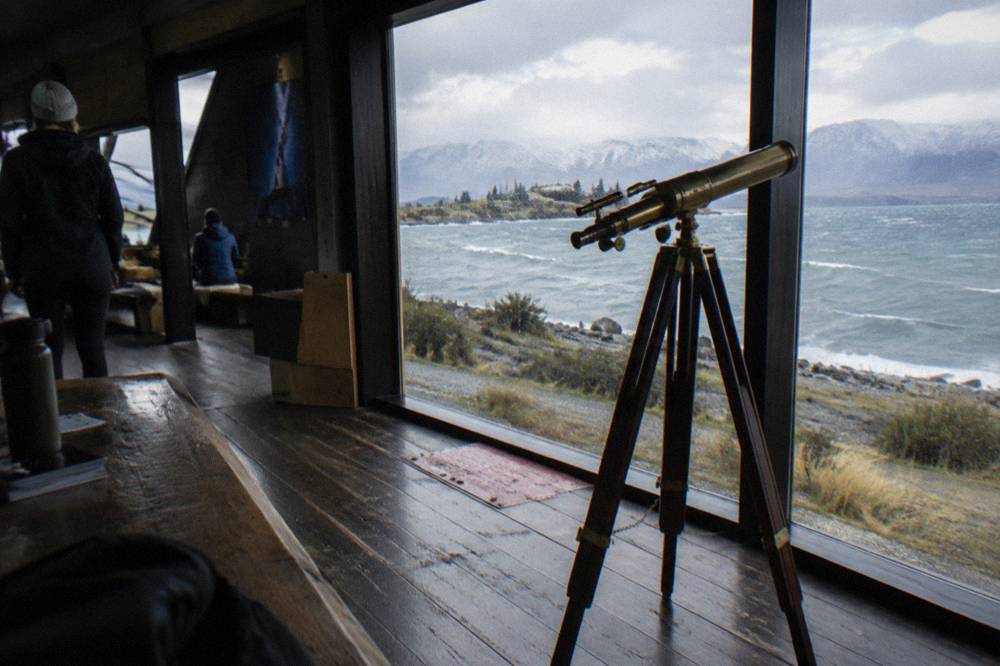
Dark Sky Project decides as close to departure as possible, because forecasts are indicative and low cloud is often blocked by the Mackenzie Basin's topography, so cloud alone does not always cancel a tour. If outdoor stargazing is not possible, guests are offered an indoor alternative, a reschedule, a voucher or a refund. The operator cannot guarantee clear skies, the Milky Way or the Aurora Australis.
This is the section that most often decides whether a tour felt worth the money, so it deserves precision. The operator's own pages say the team makes the call as close to departure as they can, which means travellers usually hold their booking until the evening itself. That is worth knowing psychologically: do not write off the night at 4pm because a phone forecast looks poor.
Two separate safety nets apply, and they are different things. The first is the weather policy above, which belongs to Dark Sky Project alone and must not be generalised to other Tekapo operators: each operator here sets its own terms. The second is the booking rule, and all 12 booking pages across the tours covered here state it: free cancellation up to 24 hours before the start for a full refund. That window is what protects a booking made days in advance against a deteriorating forecast.
For planning around weather and seasons more broadly, the Lake Tekapo stargazing weather and cloud cancellations guide collects each operator's policy side by side, and the operator's own FAQ pages carry the current wording at darkskyproject.co.nz.
Season shapes the odds too. The operator says winter months are often the clearest and darkest, and moon free nights are the darkest nights. The computed darkness numbers for the Tekapo lakefront back up the seasonal picture: astronomical darkness runs only 3.5 to 4 hours per night in December 2026 but 11.3 to 11.5 hours in June 2027, and true darkness does not even begin until around 23:26 to 23:54 local clock time in December. A summer visitor is effectively choosing between a very late night and no stargazing at all, which is a real constraint on families with young children.
Which Lake Tekapo Stargazing Tour Suits Which Traveller?
Adults who want the observatory and the darkest vantage point should take the Summit night at from $135.00. Families with children aged 5 to 9 should take the Crater night at from $78.00, the only Dark Sky Project outdoor option open to that age group. Budget travellers and small group seekers should compare the independents: Alpine from $56.00, Astro Tekapo from $59.00, Chameleon from $73.00.
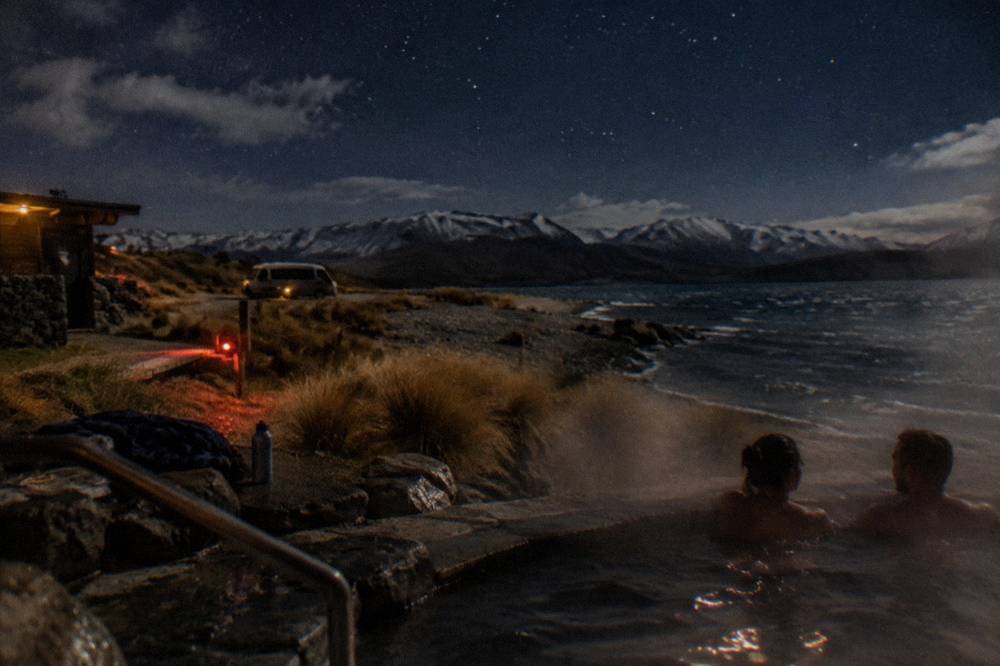
The Dark Sky Project does not have the field to itself at Lake Tekapo, and a fair verdict on whether it is worth it has to acknowledge the alternatives. Chameleon Stargazing runs a 90 minute shared tour at from $73.00, rated 4.9 across 789 reviews, the second largest review pool of the 12 tours, with a group maximum of 14, minimum age 5, a 9.25 inch telescope plus a smart telescope, hot chocolate and marshmallows, and a digital souvenir photo included. It checks in at 70 Andrew Don Drive, about a 25 minute walk from the village. Another option blends soaking and stargazing, and the breakdown of the Tekapo Springs hot pools and stargazing tour weighs whether the pairing justifies the price.
Silver River Stargazing, listed as Go Tekapo on some booking pages, runs the Alpine Stargazing Experience with a Guide at from $56.00, rated 4.6 across 864 reviews, with 14 inch telescopes and astro lasers on a private 50,000 acre farm, warm down jackets provided, a complimentary digital photo, and a group maximum of 10. Check in is about 15 minutes early at Kiwi Treasure, 12 Rapuwai Lane, then a shuttle runs out to the farm site. Astro Tekapo meets at its own site in Takapo Regional Park, 4 minutes by car from the village, with a premium 9.25 inch telescope plus a smart telescope, hot chocolate, moon chairs and fleece blankets, from $59.00.
What the independents generally offer is intimacy and inclusion, hot drinks and photos rolled into a lower headline price. What Dark Sky Project uniquely offers is access: the Mount John summit at night and the observatory dome exist nowhere else in the village, and the Crater experience's purpose built observation craters are also exclusive to it. Travellers are choosing between exclusivity of location and cosiness of format, and both are legitimate ways to spend a Tekapo night.
The summary table puts the whole decision in one view, using the figures per tour:
| Tour | From (USD, per person) | Rating and reviews | Duration | Minimum age | Group max |
|---|---|---|---|---|---|
| Mount John Summit Stargazing Experience | $135.00 | 4.6 across 348 reviews | 1 hour 45 minutes | 10 | - |
| Crater Stargazing at Cowan's Observatory | $78.00 | 4.6 across 91 reviews | 75 minutes | 5 | - |
| Indoor Dark Sky Cultural Astronomy Experience | $34.70 | 4.4 across 80 reviews | 45 minutes | - | 26 |
| Chameleon Stargazing Shared Tour | $73.00 | 4.9 across 789 reviews | 1 hour 30 minutes | 5 | 14 |
| Alpine Stargazing Experience with a Guide | $56.00 | 4.6 across 864 reviews | 1 hour 15 minutes | - | 10 |
| Astro Experience (Astro Tekapo) | $59.00 | 4.8 across 11 reviews | 1 hour 30 minutes | 6 | 10 |
The Hot Pools and Stargazing night, Soak in the Stars, at from $102.63 with hotel pickup on request from the township, is deliberately absent from this comparison because it is a different kind of evening entirely: a soak first, stargazing second, with its own cloud policy under which the tour runs even when cloud limits telescopes, swapping in an indoor virtual reality session, with a 25 percent refund if under 30 minutes of telescope viewing happens.
Families weighing the age limits specifically can get the full breakdown in the Lake Tekapo stargazing with kids guide.
What Do The Reviews Actually Say About The Tours?
The Summit experience holds 4.6 across 348 reviews, the largest pool among the three Dark Sky Project products; the Crater experience holds 4.6 across 91 reviews; the indoor session holds 4.4 across 80 reviews. Against the wider field, Chameleon's 4.9 across 789 reviews and Alpine's 4.6 across 864 reviews are the strongest independent benchmarks at Lake Tekapo. Ratings only tell part of the story, so the guide to what each Dark Sky Project Tekapo experience includes spells out the Summit and Crater tour details, the indoor session, prices, ages, jackets, and weather terms.
Numbers need context, and two honest readings follow from these. First, the Dark Sky Project's outdoor tours sit at 4.6 with substantial pools, which is a solid, consistent verdict from hundreds of guests rather than a fragile score from a handful. That is a genuinely strong standing on any reading. Second, the independents are not also rans: Chameleon's 4.9 across 789 reviews is the highest rating with a large pool of any tour covered here, and Alpine's 4.6 across 864 reviews is the most reviewed outdoor night in the village.
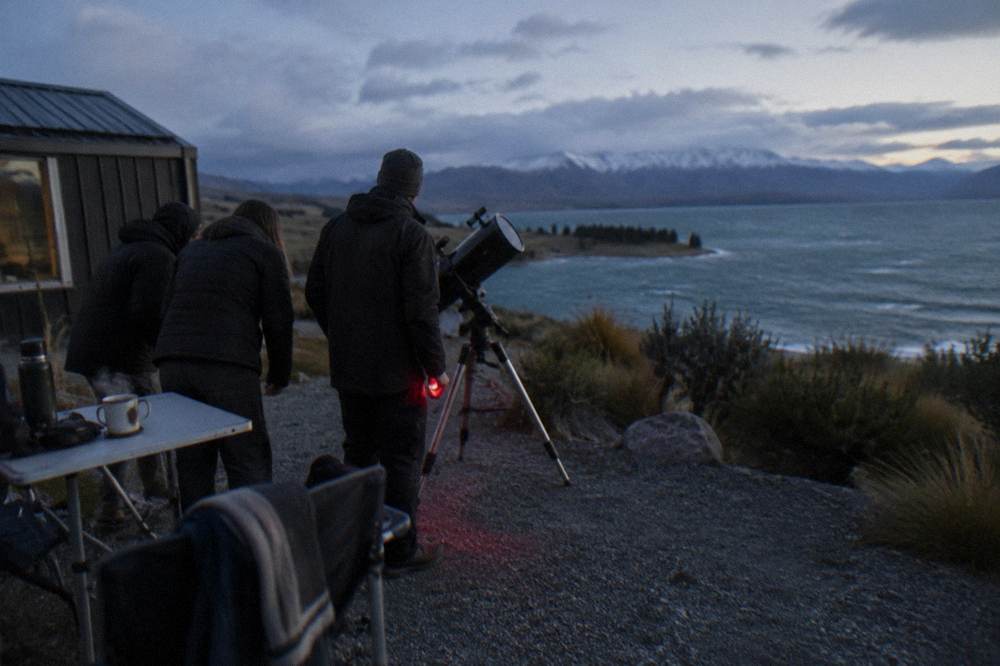
What the scores cannot tell a buyer is which format they will enjoy more, because the products differ so much. A guest who wants a big dark horizon, a coach ride up a mountain and a dome will rate the Summit highly and might find a farm paddock underwhelming, and vice versa for a guest who wants a reclining chair, a hot drink and a guide with time for every question in a group of ten. Review scores measure satisfaction with what each tour is, not which tour is objectively better.
Price against pool is the fairer lens for the worth question. Alpine delivers a guided telescope night with jackets and a photo for from $56.00, the joint cheapest outdoor night of the 12 tours covered here alongside the Mt Cook and Twizel Zen options at the same price, and it does so with 864 reviews behind it. The Summit's premium over that is essentially the price of Mount John itself: the summit, the dome, and the coach access no one else can offer. Whether that premium is worth paying on top of Alpine's from $56.00 ticket is a personal call, not a factual one, and this article will not pretend otherwise.
Verdict: When The Dark Sky Project Tour Is Worth It
The Dark Sky Project is worth it for travellers who specifically want Mount John at night, since no other operator can put them there, and for families with children aged 5 to 9, for whom the Crater experience is the operator's only outdoor option.
Break it down by traveller and the answer is clean. A first time visitor with one night and no children should book the Summit if the budget allows: the observatory dome, the summit darkness and the jacket loan make it the most complete night in the village, and 348 reviews at 4.6 say it delivers. A family with children aged 5 to 9 should book the Crater tour, accept the higher odds of wind shelter rather than summit exposure, and bring their own warm layers, since no jacket loan is stated for it.
A budget traveller or a couple who want intimacy more than altitude should look hard at Alpine or Chameleon first, both cheaper, both well reviewed, both with their own telescopes and their own character. A traveller with mobility needs should note the split: the Crater experience can accommodate wheelchair users who follow the coach in their own vehicle, the Summit cannot. And anyone visiting in December or January should understand that full darkness starts close to midnight, which may rule out the whole question for young children regardless of tour.
Finally, the booking mechanics reward a little strategy. All 12 booking pages here state free cancellation up to 24 hours before the start for a full refund, Dark Sky Project's tours often sell out, and the operator's weather calls come as late as possible. Book the outdoor night early in a stay rather than the last night, hold the indoor session in mind as a cloud backup, and let the operator make the weather call rather than a phone forecast. For deeper planning, the Lake Tekapo stargazing tours compared guide runs the full 12 tour field, and Lake Tekapo Stargazing collects the seasonal, moon and family guides in one place. Road trippers should also check conditions before night drives on SH8, since black ice and wildlife are real hazards in the cold months, via the NZTA Journey Planner.
Common Questions About The Dark Sky Project Stargazing Tour
Is The Dark Sky Project Stargazing Tour Worth It?
For most first time visitors, yes. The Summit experience at from $135.00 per person, rated 4.6 across 348 reviews, is the only way to reach the Mount John Observatory summit at night, and the Crater experience at from $78.00 is the operator's family option with a minimum age of 5. Budget travellers can find well reviewed guided nights from $56.00 with independent operators.
What Is The Cheapest Dark Sky Project Tour?
The Indoor Dark Sky Cultural Astronomy Experience at from $34.70 per person is the cheapest, but it is a 45 minute indoor exhibit with no outdoor sky viewing, not stargazing. The cheapest outdoor Dark Sky Project night is the Crater experience at from $78.00 per person.
Does The Dark Sky Project Tour Include A Jacket?
An extreme cold weather jacket is loaned on the Mount John Summit Stargazing Experience only. No jacket loan is stated for the Crater experience, where guests are told to layer warm clothing. Among other operators at Tekapo, Silver River's Alpine tour also provides warm down jackets.
What Happens If It Is Cloudy On The Night?
Dark Sky Project decides as close to departure as possible, and cloud alone does not always cancel a tour because the basin's topography often blocks low cloud. If outdoor stargazing is not possible, the operator offers an indoor alternative, a reschedule, a voucher or a refund. Separately, all 12 booking pages here state free cancellation up to 24 hours before the start for a full refund.
Can Children Go On The Dark Sky Project Tours?
Children aged 10 and over can join the Summit experience. The Crater experience at Cowan's Observatory has a minimum age of 5, making it the operator's outdoor option for younger families. The indoor session states no minimum age.
Can You Drive Yourself Up Mount John For The Tour?
No. Visitors cannot drive up Mount John in the evening; night access is by the operator's coach only, included in the 1 hour 45 minute Summit tour duration. The private road and the Astro Cafe are open in the daytime, with a small per vehicle road fee paid at the gate.