What To Wear On A Lake Tekapo Stargazing Tour
Lake Tekapo sits high in the Mackenzie Basin, and even midsummer nights at a stargazing site are colder than the village feels at dinner time. Here is what to wear, which tours hand you a jacket, and what to leave behind.
Short answer
Dress in thermals, warm layers, a windproof jacket, a hat and gloves, and sturdy closed shoes, even in summer. Of the 12 tours covered here, only the Mount John Summit Experience (from $135.00) and the Alpine Stargazing Experience (from $56.00) state that warm jackets are provided; every other tour asks you to bring your own.
The Aoraki Mackenzie International Dark Sky Reserve, designated in 2012, covers 4,367 square kilometres of the Mackenzie Basin and Aoraki / Mount Cook National Park, and its district plan lighting rules help keep the skies dark. Dark skies come with a trade: the basin cools fast once the sun drops, and stargazing tours here run late into the night in every season. Planning the outfit matters as much as picking the tour, because standing still beside a telescope for 90 minutes is a very different activity from walking between the village restaurants.
This guide walks through the clothing question season by season, tour by tour. It uses the clothing and equipment details stated by each operator, flags the two tours that loan jackets, and covers footwear, torches, photography and children. The aim is simple: you step outside on the night already dressed for it, so the cold never becomes the story.
What Should You Wear Stargazing At Lake Tekapo?
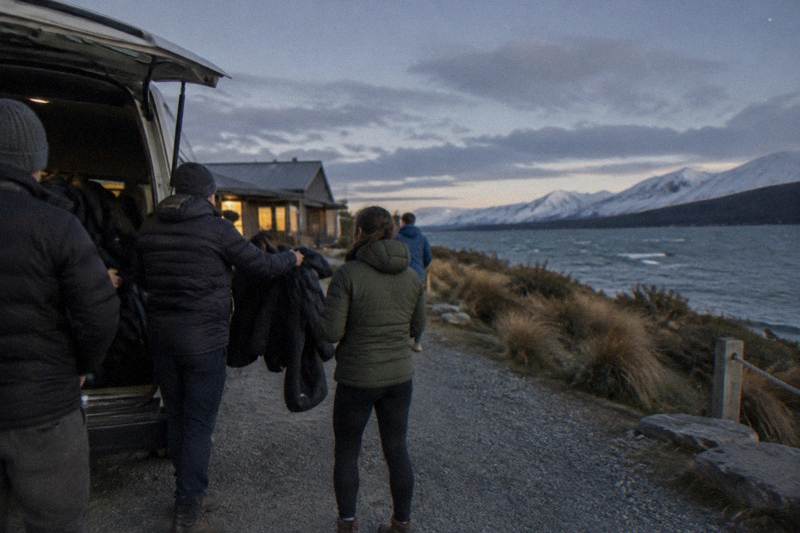
Dress for a night that is colder than the day suggested, in any season: a thermal base layer, long pants, a warm mid-layer such as a jersey or fleece, a windproof outer jacket, a hat, gloves and sturdy closed shoes. Dark Sky Project, the operator at Mount John, says it is cold at night even in summer, and that advice applies to every tour in the basin.
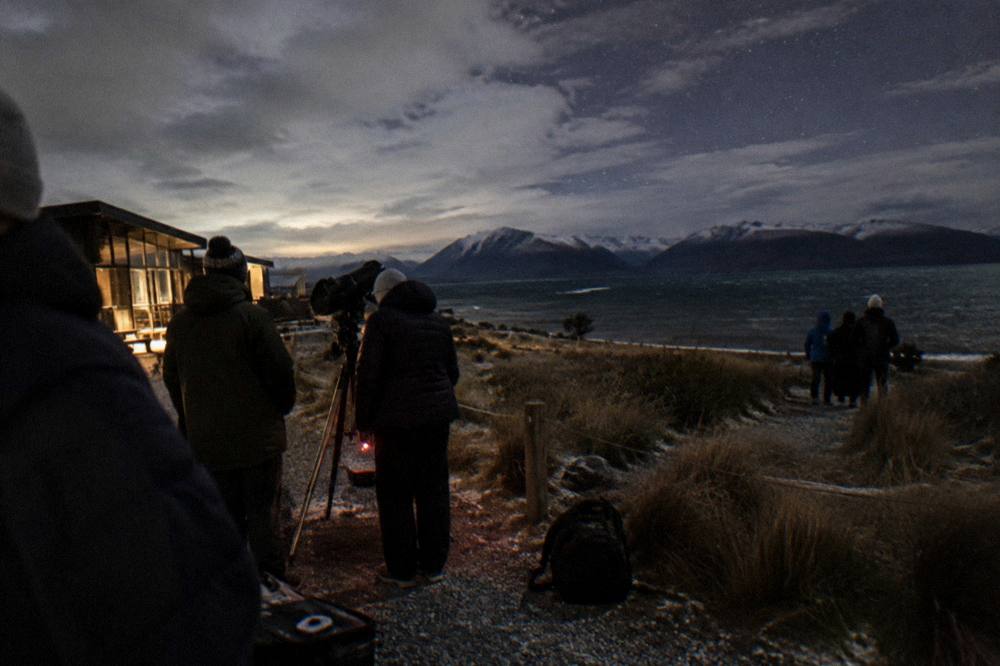
That advice comes straight from the operators who run these nights. Dark Sky Project's own clothing guidance splits by season: in summer, thermals, long pants, a jersey, a jacket and a hat; in winter, thermals, a snow jacket, gloves, a scarf, a hat and sturdy ankle-covering shoes. The reason is exposure. Several tour sites sit on open ground beside the lake or on private farmland, where wind strips warmth quickly, and the Mount John summit tour stands at about 1,029 metres with what the operator describes as high wind exposure and frequent winter snow.
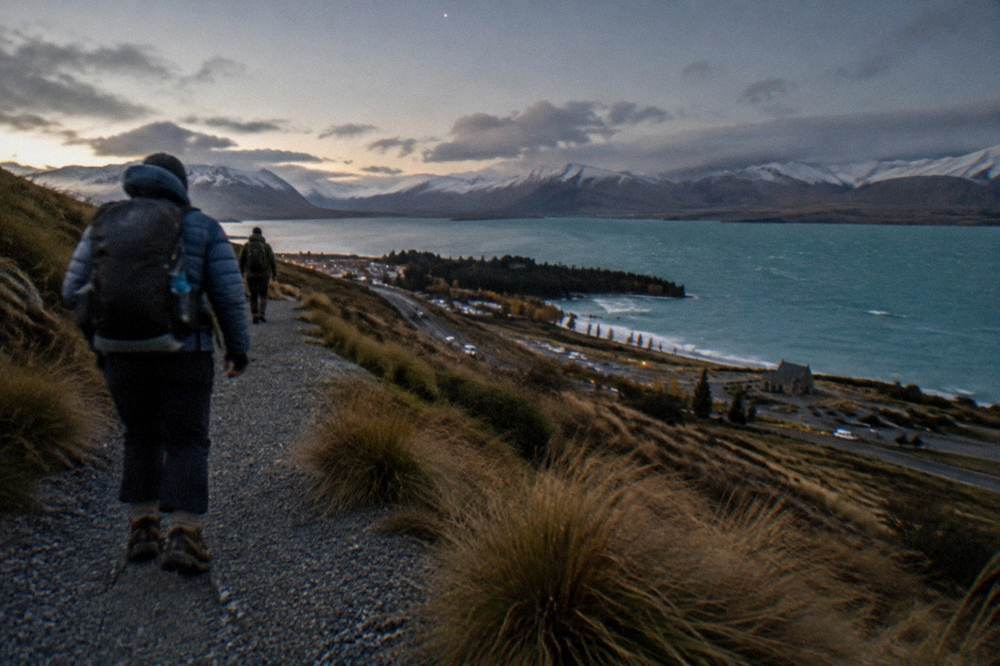
The layering principle does the real work. A base layer moves sweat away from skin, a mid-layer traps warmth, and a shell stops the wind, which is the element most likely to ruin an otherwise well-dressed night. Cotton is a poor base layer because it holds moisture; synthetic or merino thermals keep insulating even if you perspire walking to the viewing area. Pants beat shorts without exception on these tours, and ankles should stay covered because you will stand on cold ground, gravel or grass for an hour or more.
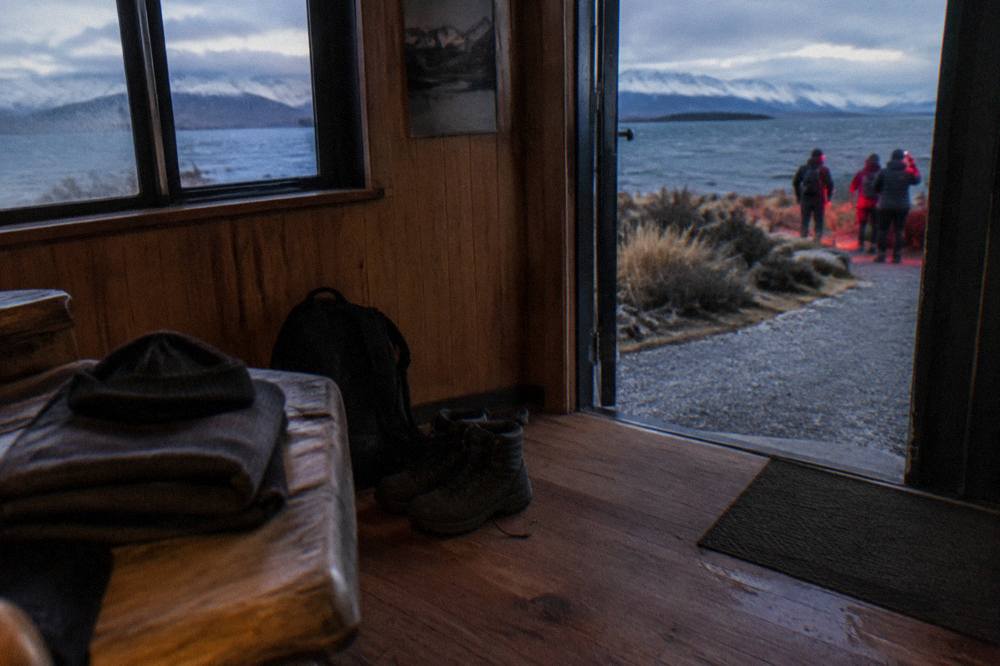
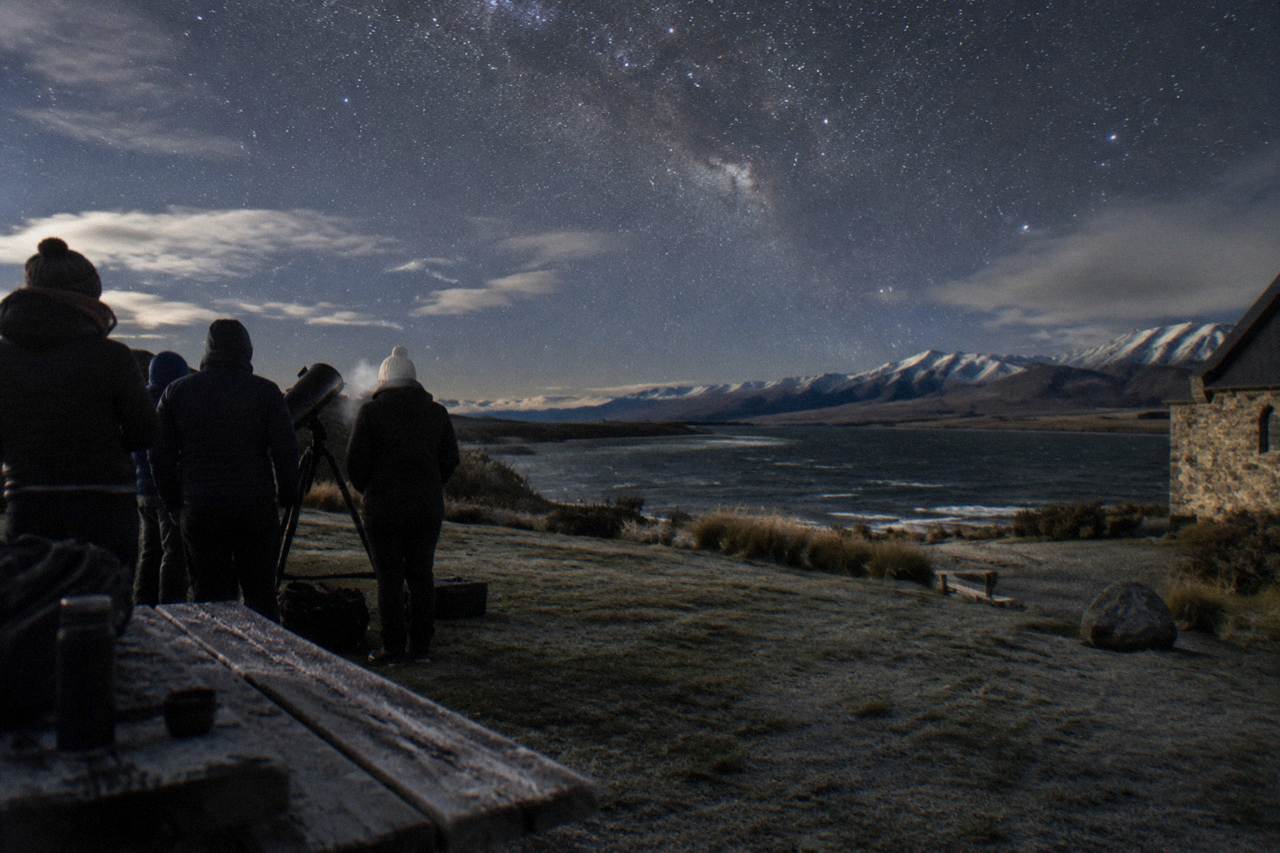
One point worth repeating from every operator: you will be standing or seated, mostly still, in the dark, for the full tour length. Tour durations range from 75 minutes (the Crater Experience at Cowan's Observatory, from $78.00) to 2 hours (the Ultimate Stargazing Experience, from $125.56). Still bodies lose heat faster than walking ones, so dress one notch warmer than the evening temperature feels when you leave your accommodation. A good reference for how the tours differ in length and setting is the Lake Tekapo stargazing tours compared guide, which sets out all 12 side by side.
| Season | Base layer | Mid layer | Outer | Extras the operators name |
|---|---|---|---|---|
| Summer | Thermals | Long pants, jersey | Jacket, hat | Gloves for late tours |
| Autumn | Thermals | Jersey or fleece | Windproof jacket, hat | Gloves, scarf |
| Winter | Thermals | Fleece | Snow jacket, scarf | Gloves, sturdy ankle-covering shoes |
How Cold Does A Tekapo Stargazing Night Actually Feel?
The stargazing season runs all year, but the nights are coldest and longest from May to July, when astronomical darkness lasts 10.5 to 11.5 hours per night and darkness begins before 7pm. In the December holidays darkness is shortest at 3.5 to 4 hours and starts after 11:20pm, but the operators still describe night-time cold, so warm clothing stays on the packing list in every month.
The computed darkness figures for the Tekapo lakefront tell the story. In November 2026, true astronomical darkness runs 4.1 to 6 hours per night and begins between 22:22 and 23:24 local time, because daylight saving keeps evenings bright until late. By March 2027 darkness stretches to 7.3 to 9.1 hours and starts as early as 21:11, and through June 2027 it peaks at 11.3 to 11.5 hours with dusk near 19:00. Longer darkness means later tour finishes and more hours standing in cold air, which is why winter clothing lists are the more demanding ones.
Dark Sky Project says winter months are often the clearest and darkest, and moon-free nights are the darkest, which tempts many visitors toward a June or July booking. That is a sound plan for the sky, and it simply shifts the clothing burden up. The Summit tour's site at about 1,029 metres has high wind exposure and often snows in winter, per the operator's own FAQ, so the full winter list applies: thermals, snow jacket, gloves, scarf, hat and sturdy shoes. The seasonal contrast is covered in more depth in Lake Tekapo stargazing winter vs summer.
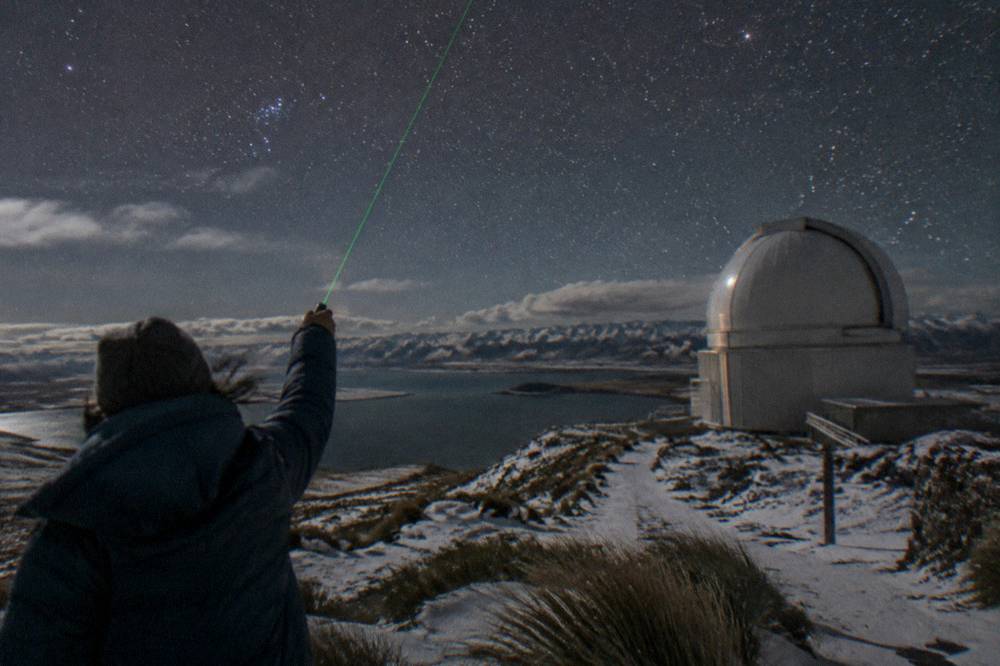
Summer visitors are the ones most often caught out. A warm February afternoon invites t-shirts and shorts, then a 23:30 tour start lands you in open farmland with lake wind and no sun. The Alpine Stargazing Experience with a Guide, from $56.00 per person, rated 4.6 across 864 reviews, runs on a private 50,000-acre farm site where the operator supplies warm down jackets and chairs for the drop in temperature. It is a good pick for readers who want the cold handled for them; see the Silver River Stargazing Lake Tekapo guide for its full details.
Which Lake Tekapo Stargazing Tours Provide Warm Jackets?
Only two of the 12 tours covered here state that warm jackets are provided: the Mount John Summit Stargazing Experience, which loans an extreme cold weather jacket, and the Alpine Stargazing Experience with a Guide, which supplies warm down jackets. On every other tour you bring your own layers, so the jacket question should shape both your packing and your tour choice. For a closer look at which tours hand out jackets and what layers work best when they don't, the full breakdown of jacket provision on Tekapo stargazing tours has the answers.
The Mount John Summit tour (from $135.00 per person, 1 hour 45 minutes, rated 4.6 across 348 reviews, minimum age 10) makes the loan the centre of its cold-weather plan, because the summit sits at about 1,029 metres in exposed wind. The Alpine tour (from $56.00 per person, 1 hour 15 minutes, group maximum 10) provides jackets alongside chairs and 14-inch telescopes on its farm site. Both state this on their own booking information, and no other tour in the basin makes the same promise: the Crater Experience at Cowan's Observatory, for example, tells guests to layer warm clothing and says nothing about a jacket loan.
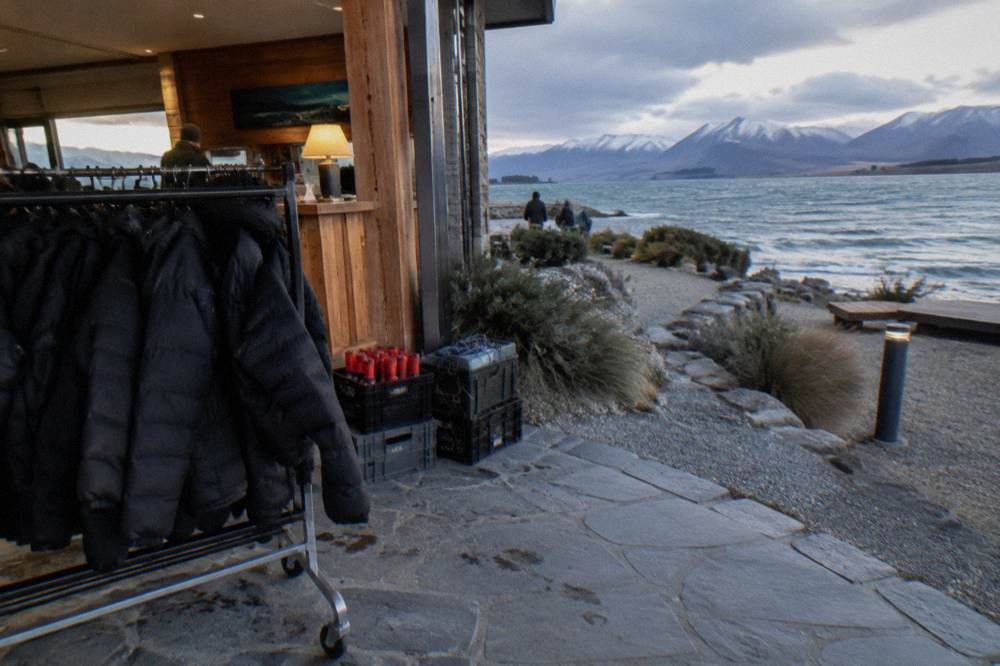
The distinction matters most for travellers flying in without winter gear. If your luggage holds summer clothes and your calendar holds a June night in the Mackenzie Basin, choosing a tour that hands you a jacket removes the single biggest comfort risk. If you already own proper layers, the field of options widens to tours like the Chameleon Stargazing Shared Tour (from $73.00 per person, rated 4.9 across 789 reviews), which provides outdoor seats and blankets rather than jackets, and hot chocolate with marshmallows to warm from the inside. The Chameleon Stargazing Lake Tekapo guide covers how that tour is built around seated comfort.
| Tour | From (USD, per person) | Warm jacket stated | Blanket or seats | Hot drink |
|---|---|---|---|---|
| Mount John Summit Stargazing Experience | $135.00 | Yes, extreme cold jacket loaned | - | - |
| Alpine Stargazing Experience with a Guide | $56.00 | Yes, warm down jackets | Chairs provided | - |
| Chameleon Stargazing Shared Tour | $73.00 | - | Outdoor seats and blankets | Yes, hot chocolate |
| Astro Experience (Astro Tekapo) | $59.00 | - | Moon chair and fleece blanket | Yes |
| Crater Experience at Cowan's Observatory | $78.00 | - | - | - |
If a jacket-supplying tour suits your luggage situation, availability on summer and new-moon nights can tighten, because those are the nights most travellers target. All 12 booking pages state free cancellation up to 24 hours before the start for a full refund, which makes an early booking a low-risk way to lock in the tour that fits your wardrobe.
What Shoes Do You Need For A Mount John Summit Tour?
Wear sturdy, ankle-covering, closed shoes with grip. The Summit tour's site involves a 100-metre gravel incline and a few steps walked in the dark, on ground the operator says often snows in winter, and the tour is not wheelchair accessible. Street shoes or thin-soled sneakers leave you cold and unsteady on loose gravel at night.
The Mount John Summit Stargazing Experience is the most physically demanding tour in the basin precisely because of its setting: a working research observatory. Mount John is the University of Canterbury's research facility, New Zealand's largest professional research observatory, with four research-grade telescopes, and the night summit road is closed to private vehicles, so access is by the operator's coach only. Once the coach parks, guests walk the gravel incline and steps to the viewing areas and the observatory dome, where a 16-inch telescope waits alongside the naked-eye and laser-guided portion of the night.
That walk is short but unforgiving in the wrong footwear. Gravel shifts underfoot, the path is unlit beyond the group's torches, and winter adds ice or snow to the surface. Boots with a lug sole and ankle support answer all three problems at once, and they keep the cold ground from chilling your feet through thin soles during the 1 hour 45 minute tour. Guests cannot drive up Mount John in the evening under any circumstances, so arriving at the Dark Sky Project base at 1 Motuariki Lane with the right shoes, about 15 to 20 minutes before departure, is the only way to be on that coach.
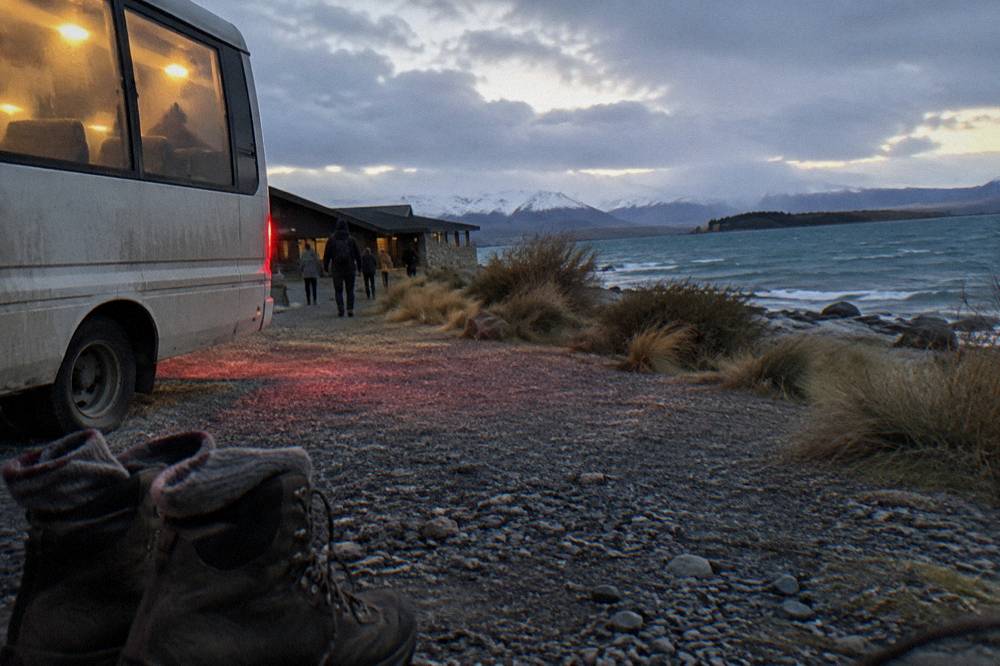
The other tours ask less of your shoes but not nothing. The Crater Experience at Cowan's Observatory (from $78.00 per person, 75 minutes, minimum age 5, rated 4.6 across 91 reviews) reaches its purpose-built observation craters after about a 5-minute drive from the base, then stands guests on sheltered ground; wheelchair users can take part by following the coach in their own vehicle. The Astro Experience (Astro Tekapo) meets at its stargazing site in Takapo Regional Park, about 4 minutes by car or a 25-minute walk from the village, so those arriving on foot want the same closed, warm shoes. Silver River's tours check in about 15 minutes early at Kiwi Treasure, 12 Rapuwai Lane, then shuttle to a private farm site, where farm tracks reward enclosed shoes over sandals at any time of year.
Are Blankets, Chairs And Hot Drinks Provided On Tekapo Stargazing Tours?
Comfort provisions vary tour by tour rather than applying across the board: hot drinks are stated on four tours (Chameleon, Astro Tekapo, Hot Pools, and the Japanese-language Zen tour in Twizel), blankets or seats on five (Chameleon, Astro Tekapo, Hot Pools, Stargaze Mackenzie and Zen), and photos on seven. Check the tour's own details rather than assuming, because no single comfort item appears on all 12.
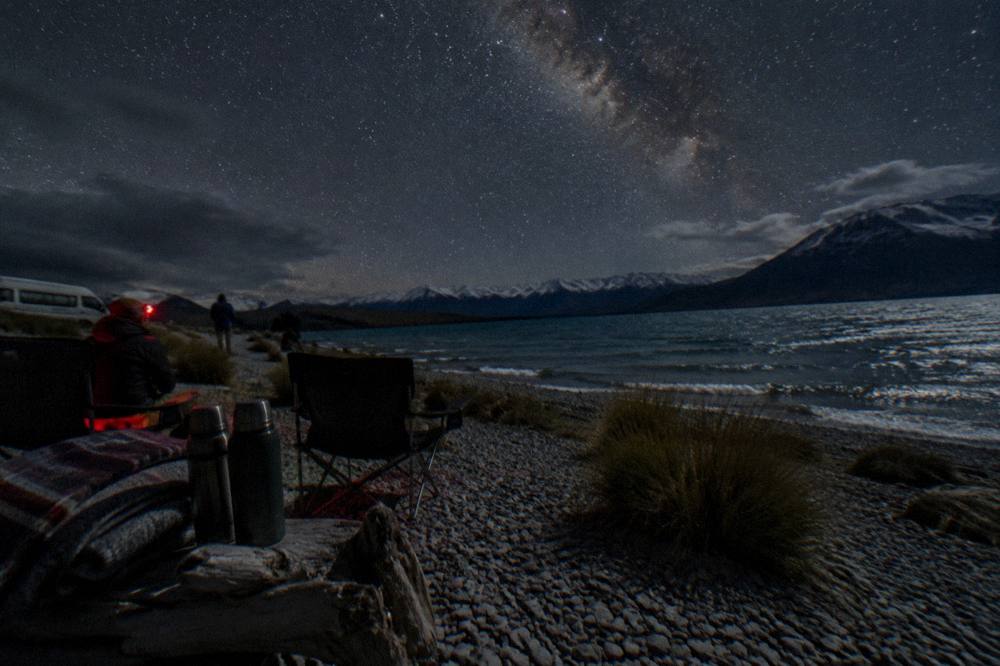
The Chameleon Stargazing Shared Tour builds its whole evening around seated warmth: outdoor seats and blankets, hot chocolate with marshmallows, a digital souvenir photo, and a 90-minute format split into about 30 minutes of naked-eye viewing and then telescope time through a 9.25-inch instrument plus a smart telescope. It checks in at 70 Andrew Don Drive, a 4-minute drive or about a 25-minute walk from the village, and asks guests to arrive 10 to 15 minutes early. Group maximum is 14 and minimum age is 5. More of these guides are collected on Lake Tekapo Stargazing.
The Astro Experience (Astro Tekapo) takes a similar approach with a moon chair and fleece blanket per guest, hot chocolate, a premium 9.25-inch telescope plus a smart telescope, and a photo included, from $59.00 per person with a group maximum of 10 and minimum age 6. Its own weather policy is generous on the coldest worry: if sky conditions are too cloudy for stargazing, the operator offers a full refund. The Hot Pools and Stargazing night, Soak in the Stars, is the warmest of all, a 90-minute tour from $102.63 per person at Tekapo Springs with exclusive hot pool use at about 38 degrees, a floating hammock, a woolen blanket and hot drinks, minimum age 10, and the only tour of the 12 with hotel pickup from the township, on request and subject to availability.
The Hot Pools tour also carries the most specific cloud policy of any operator here: the night runs even when cloud limits telescope viewing, swapping to an indoor virtual reality session with the pool still included, and a 25 percent refund applies if under 30 minutes of telescope viewing happens, a policy the operator dates to tours from 18 June 2026. That makes it the tour where clothing worries matter least, since a heated pool and blanket are the plan rather than the backup. The comparison between the two comfort extremes is drawn out in Hot pools vs observatory stargazing at Lake Tekapo.
Can You Bring A Torch Or Take Photos On A Stargazing Tour?
Yes to photos on the tours that state it, with flash off around the telescopes: the Summit tour allows photos and guides share astrophotography tips, and seven of the 12 tours state a photo is included. Torches are best left to the guides, who use laser pointers to trace constellations; bring a headlamp or torch only for the walk in, and keep it dimmed or red where the operator allows.
Darkness is the working condition of every tour, so light discipline is shared ground. Guides point out stars with lasers, telescopes need dark-adapted eyes, and a white headlamp switched on mid-tour resets everyone's night vision for many minutes. The practical routine: use a normal torch to get from the car park or village to the check-in, then pocket it once the tour starts. Where a tour runs on farmland or a regional park site with uneven ground, a red-light mode or a torch covered loosely with red cellophane is the standard trick, but follow each operator's direction on the night, since guiding policy differs between them and none of the booking pages invites guest laser pointers.
Photography is more generous than visitors expect. On the Mount John summit, Dark Sky Project allows photos with the flash off and says guides share astrophotography tips, which suits the dome's 16-inch telescope and the summit viewpoint over the lake. Six tours state a photo is included in some form, most often a complimentary digital photo: the Alpine tour (4.6 across 864 reviews), the Ultimate Stargazing Experience (5.0 across 17 reviews, 2 hours, from $125.56, group maximum 10), the Chameleon tour, the Astro Experience, the Mt Cook Stargazing Experience and Stargaze Mackenzie's Twizel tour. If a keepsake image matters to you, can you take photos on a Lake Tekapo stargazing tour works through the details.
One clothing-adjacent note for photographers: gloves that operate a phone or camera without coming off make a real difference on winter nights, because bare fingers on metal tripods and telescope eyepieces get painfully cold fast. Thin liner gloves under a warmer pair give you both options.
What Should Children Wear On A Tekapo Stargazing Night?
Dress children one layer warmer than adults, in thermals, a warm hat that covers ears, gloves and enclosed shoes, because minimum ages range from 5 to 10 across the tours and the nights run late. The Chameleon (minimum age 5) and Crater Experience (minimum age 5) admit the youngest children; the Summit and Hot Pools tours both set the line at 10.
Children lose heat faster than adults relative to their size, and stargazing nights for the youngest age groups start at or after bedtime. The two tours that welcome five-year-olds both run shorter formats: the Crater Experience is 75 minutes from the Dark Sky Project base, and Chameleon's shared tour is 90 minutes with seats and blankets, hot chocolate and marshmallows, which is a large part of why it suits families. Astro Tekapo sets minimum age 6, and Stargaze Mackenzie's Twizel tour also admits from age 6. The full age-by-age picture, including which tours state no minimum, is set out in Lake Tekapo stargazing with kids.
The packing logic for a child mirrors the adult list with additions: a spare pair of gloves in a pocket, a snack for before the tour rather than during it, and a named hat, since hats are the item most often left beside a telescope. For the Crater Experience, note that jackets are not stated for that tour, so the loaner-jacket safety net families might expect from the Summit does not exist there; the child's own warm coat is required. The indoor Dark Sky Cultural Astronomy Experience, 45 minutes and from $34.70 per person, is an indoor exhibit with a restored 125-year-old Brashear telescope on display and no outdoor sky viewing, which makes clothing almost irrelevant and suits a cold-weather backup for younger children, though it is a cultural exhibit rather than a stargazing night.
| Tour | Minimum age | Duration | Group max | Comfort items stated |
|---|---|---|---|---|
| Chameleon Stargazing Shared Tour | 5 | 1 hour 30 minutes | 14 | Seats, blankets, hot chocolate |
| Crater Experience at Cowan's Observatory | 5 | 75 minutes | - | Sheltered viewing craters |
| Astro Experience (Astro Tekapo) | 6 | 1 hour 30 minutes | 10 | Moon chair, fleece blanket, hot chocolate |
| Twizel Stargazing Tour with an Astronomer | 6 | 1 hour 15 minutes | - | Powerful telescope, photo included |
| Mount John Summit Stargazing Experience | 10 | 1 hour 45 minutes | - | Extreme cold jacket loaned |
| Hot Pools and Stargazing (Soak in the Stars) | 10 | 1 hour 30 minutes | - | Hot pools, blanket, hot drinks |
How Should You Dress For Stargazing Tours From Twizel Or Mount Cook?
Pack the same full winter kit for Twizel and Mount Cook tours as for Tekapo, plus plan for a cold drive: the Twizel tours meet in Twizel itself (Market Place, or the Mackenzie Country Hotel, or 50 Kate Cameron Drive) and the Mt Cook tour meets at the Tasman Glacier Car Park, with no transfer from Tekapo on any of them, so your clothing also has to survive the road there and back.
The four tours beyond the lake all sit inside the same 4,367-square-kilometre reserve, and Twizel sits between Tekapo and the Mount Cook village, with the village itself about 1 hour 15 minutes by road from Tekapo from the lake. Night driving on SH8 and SH80 in the cold months can bring black ice, frost, freezing fog and stock or wildlife on the road, so the NZTA Journey Planner is the reference for conditions before you set out, and warm clothing in the car is part of the plan rather than an afterthought.
The tour details shape the outfit only slightly. The Mt Cook Stargazing Experience (from $56.00 per person, rated 4.8 across 17 reviews, 1 hour 15 minutes) meets at the Tasman Glacier Car Park in Tasman Valley Road and works with high-quality telescopes for deep sky observation, with a photo included. Stargaze Mackenzie's Twizel Stargazing Tour with an Astronomer and Telescope (from $67.00 per person, rated 5.0 across 77 reviews, minimum age 6) runs from 50 Kate Cameron Drive, Twizel, in clear conditions only, and its weather policy offers a refund or reschedule if cancelled. The Twizel Stargazing Experience with a Guide (from $68.23 per person, group maximum 20) checks in at the Distinction Mackenzie Country Hotel on the corner of Ostler and Wairepo Roads. The Zen Stargazing Experience is a Japanese-language tour from Market Place, Twizel, from $56.00 per person with a hot drink and photo included; it is a new listing with no reviews yet, so there is no rating to report.
None of the four states that jackets are provided, though the Zen tour lists blankets and a hot water bottle and the Stargaze Mackenzie tour lists seating, so the full layering list travels with you. The same applies to the Hermitage's own Big Sky Stargazing in the national park, a neighbouring option outside the tours covered here. Whether basing in the village or the lake gives the better stargazing trip overall is a separate question with its own trade-offs, worked through in is it better to base a stargazing trip at Mount Cook, Twizel or Lake Tekapo.
The clothing bottom line is the same everywhere in the basin: thermals, layers, hat, gloves, enclosed shoes, and a jacket either from your own bag or, on two tours only, from the operator's rack. Get that right and the night belongs to the sky.
Common Questions About What To Wear On A Lake Tekapo Stargazing Tour
Do I Need Thermals For A Summer Stargazing Tour At Lake Tekapo?
Yes. Dark Sky Project, which runs the summit and crater tours, states it is cold at night even in summer, and recommends thermals, long pants, a jersey, a jacket and a hat for summer nights. Summer tours also start late, near midnight, in the darkest and coldest part of the night.
Which Stargazing Tours Give You A Warm Jacket?
Only two of the 12 tours covered here state jackets are provided: the Mount John Summit Stargazing Experience loans an extreme cold weather jacket, and the Alpine Stargazing Experience with a Guide provides warm down jackets. Every other tour asks you to bring your own warm layers.
Are Blankets Provided On Tekapo Stargazing Tours?
On three tours: the Chameleon Stargazing Shared Tour provides outdoor seats and blankets, the Astro Experience provides a moon chair and fleece blanket, and the Hot Pools tour provides a woolen blanket. The other tours make no blanket promise, so pack your own warmth.
What Shoes Should I Wear On The Mount John Summit Tour?
Sturdy, ankle-covering, closed shoes with grip. The tour involves a 100-metre gravel incline and a few steps in the dark, on ground that often snows in winter, and the tour is not wheelchair accessible.
Can I Bring A Torch On A Stargazing Tour?
Bring one for the walk to check-in, then keep it dimmed or off once the tour starts, because white light resets everyone's night vision. Guides use laser pointers to trace constellations, and each operator directs light use on the night.
Do Any Tours Provide Hot Drinks To Help With The Cold?
Yes, four tours state a hot drink is included: the Chameleon tour (hot chocolate and marshmallows), the Astro Experience (hot chocolate), the Hot Pools tour (hot drinks), and the Japanese-language Zen tour in Twizel.