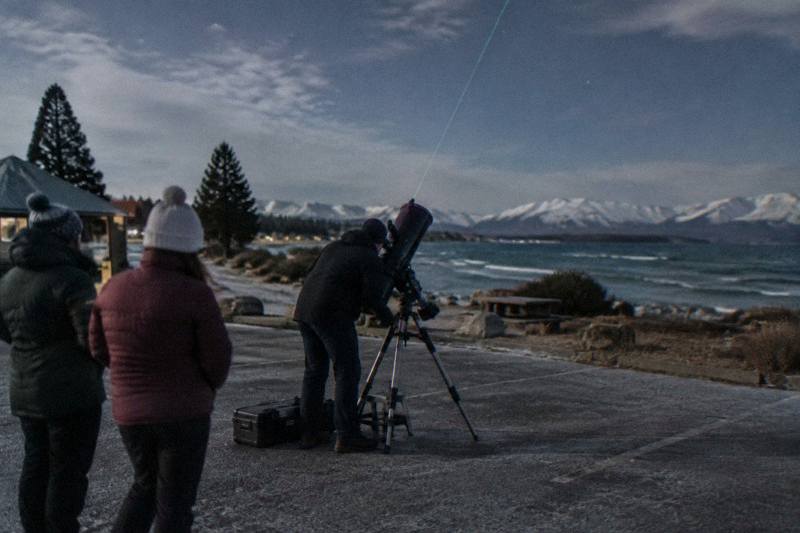
What Is The Best Time For Lake Tekapo Stargazing?
New moon nights, long winter darkness and late summer starts: a planning guide to choosing the right night and season for a Lake Tekapo stargazing tour.
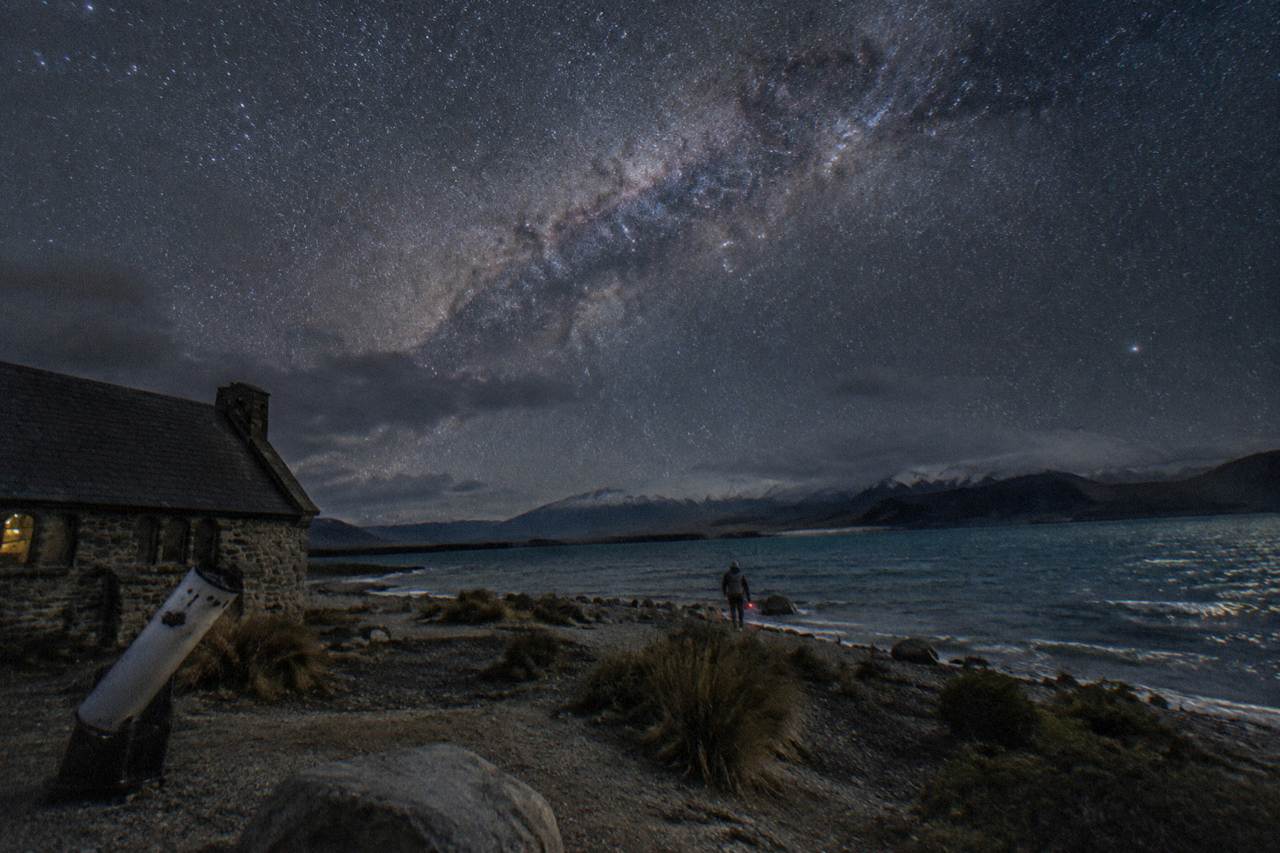
The best time is a moon-free night in the darker half of the year: roughly March through October, when astronomical darkness lasts 6 to 11.5 hours a night and 17 to 21 nights each month give three or more moon-free dark hours. A new moon gives the darkest sky; a full moon washes out faint stars and the Milky Way. No single month is best, because weather and tour availability vary independently of all of this.
That answer is deliberately made of things you can check, not things anyone can promise. The moon phase and the length of darkness are computed, predictable facts. Cloud is not, and Tekapo sits in the Mackenzie Basin where the topography often holds back low cloud, so a cloudy forecast does not automatically mean a cancelled tour. Dark Sky Project, the operator at Mount John, says its team makes the call as close to departure as possible and that forecasts are indicative only.
The other thing worth saying early: this is not a summer-only activity. In fact the summer months are the hardest time to fit a stargazing tour into an evening, because true astronomical darkness can begin close to midnight in late December. Winter gives you the longest darkness and, in Dark Sky Project's own words, the winter months are often the clearest and darkest. The trade is cold, real cold, at 1,029 metres on Mount John or on an open farm paddock.
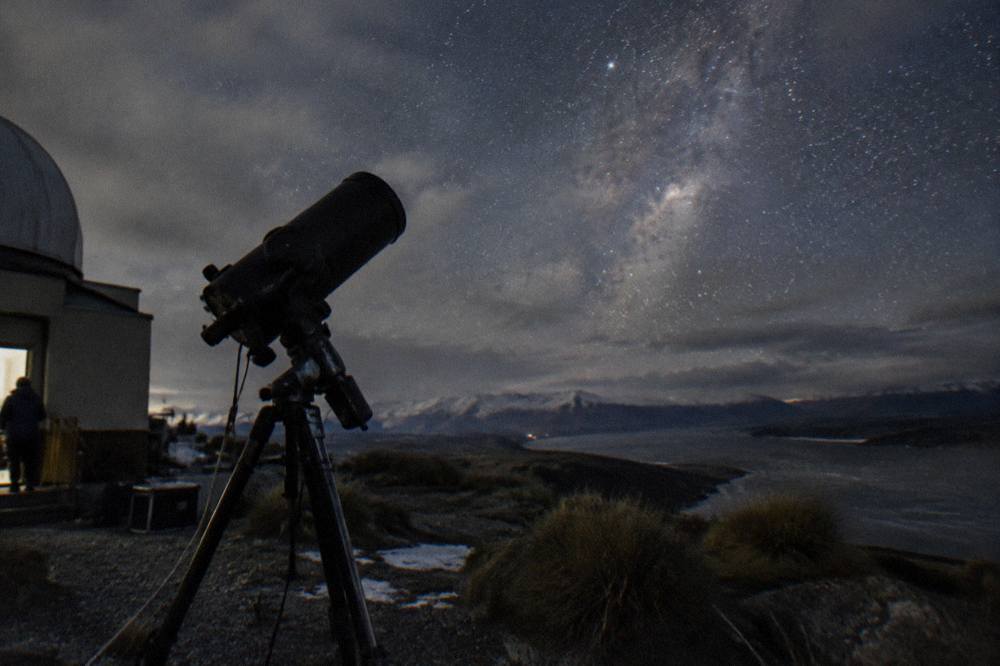
If you are picking a date right now, the practical move is to look at the new moon dates below, choose a night within a few days of one in the season you will be travelling, and book a tour with a cancellation policy you can live with. All 12 booking pages for the tours covered here state free cancellation up to 24 hours before the start for a full refund. That 24 hour window is a booking rule, not a weather policy: each operator handles cloud its own way, and that difference matters when you are choosing which night to commit to.
How Does The Moon Change A Lake Tekapo Stargazing Night?
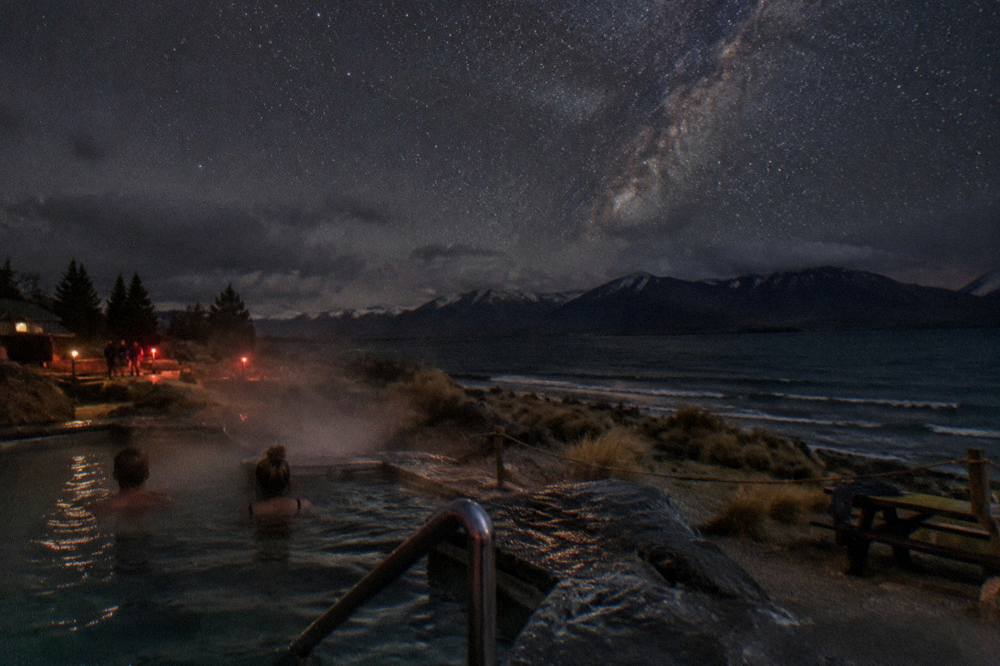
A new moon gives the darkest sky and a full moon washes out faint stars and the Milky Way, which is Dark Sky Project's own framing of the question. Around a new moon, faint objects, star clusters and the Milky Way's glow can dominate; within a few nights of a full moon, the bright Moon lifts the whole sky background and the faint detail goes missing. The Moon itself, planets and bright star clusters stay rewarding either way.
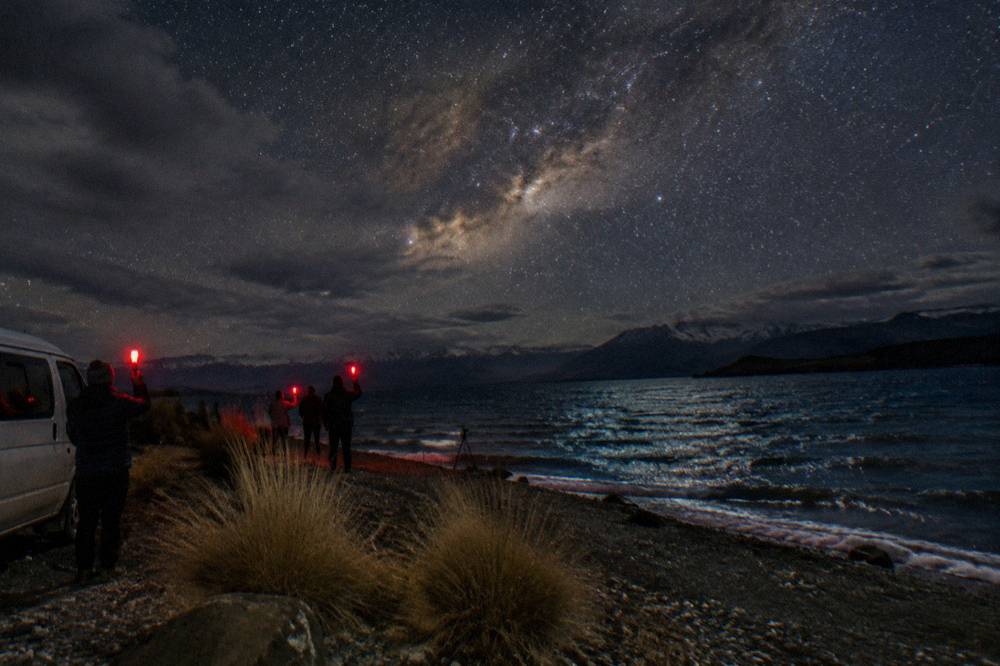
This is the single biggest controllable factor in your trip, bigger than season, bigger than which tour you pick. The Moon is effectively a giant floodlight in the sky: when it is up and more than half lit, it outshines everything except the brightest stars, and no telescope fixes that. When it is below the horizon, or in its new phase, the Mackenzie Basin sky can show the kind of depth that made the Aoraki Mackenzie reserve, designated in 2012, worth protecting in the first place.
The computed moon calendar for the year ahead is below. New moon dates are the nights to aim at; the nights either side of them are nearly as dark. Full moon dates are the ones to avoid if faint-sky viewing is the goal.
| Month | New moon | Full moon | Nights with 3+ moon-free dark hours |
|---|---|---|---|
| November 2026 | 9 Nov | 25 Nov | 13 of 30 |
| December 2026 | 9 Dec | 24 Dec | 12 of 31 |
| January 2027 | 8 Jan | 23 Jan | 13 of 31 |
| February 2027 | 7 Feb | 21 Feb | 15 of 28 |
| March 2027 | 8 Mar | 22 Mar | 18 of 31 |
| April 2027 | 7 Apr | 21 Apr | 19 of 30 |
| May 2027 | 6 May | 20 May | 21 of 31 |
| June 2027 | 5 Jun | 19 Jun | 20 of 30 |
| July 2027 | 4 Jul | 19 Jul | 20 of 31 |
| August 2027 | 2 Aug | 17 Aug | 19 of 31 |
| September 2027 | 1 Sep, 30 Sep | 16 Sep | 18 of 30 |
| October 2027 | 30 Oct | 16 Oct | 17 of 31 |
Notice the pattern: the moon-free count barely moves across the year, because the Moon's cycle is independent of the seasons. What changes is how much total darkness there is to work with, which is the next question. If your travel dates are locked to a full moon, it is not a wasted night, but set expectations toward the Moon, planets and bright clusters rather than the Milky Way, and read the companion piece on whether the Milky Way survives a full moon at Tekapo before you book.
One planning nuance from the same computed table: a "moon-free" night means the Moon is below the horizon for at least three hours of full darkness. Some nights give you that before moonrise, some after moonset, so the dark window can sit in the small hours rather than mid-evening. Tour start times vary with the season for exactly this reason, and the tour's own departure time is the thing to check when booking.
Why Do Winter Nights Give Tekapo Stargazing More Darkness?
Astronomical darkness, the Sun more than 18 degrees below the horizon, lasts 11.3 to 11.5 hours a night in June 2027 but only 3.5 to 4 hours in December. In deepest winter darkness starts before 7pm; at the summer solstice it can start near midnight. More darkness means more tour departure slots, longer viewing windows and more margin if cloud interrupts.
That is a threefold difference in usable night between the solstices, and it reshapes the whole evening. A June night gives operators room to run earlier departures and still have hours of dark sky left; a December night compresses everything into a window that may not open until most of the village has gone to bed. If you are travelling in the December to January school holidays, expect late starts and book accordingly, checking the departure time on the tour's page before you commit.
| Month | Astronomical darkness per night (hours) | Darkness begins (local clock) |
|---|---|---|
| November 2026 | 4.1 to 6 | 22:22 to 23:24 |
| December 2026 | 3.5 to 4 | 23:26 to 23:54 |
| January 2027 | 3.6 to 5.3 | 23:53 to 23:12 |
| February 2027 | 5.4 to 7.3 | 23:10 to 22:13 |
| March 2027 | 7.3 to 9.1 | 22:11 to 21:11 |
| April 2027 | 9.1 to 10.4 | 21:09 to 19:23 |
| May 2027 | 10.5 to 11.3 | 19:21 to 18:56 |
| June 2027 | 11.3 to 11.5 | 18:56 to 18:58 |
| July 2027 | 10.9 to 11.5 | 18:58 to 19:19 |
| August 2027 | 9.7 to 10.8 | 19:19 to 19:49 |
| September 2027 | 8.1 to 9.6 | 19:50 to 21:26 |
| October 2027 | 6.1 to 8 | 21:27 to 22:19 |
Two things to fold into that table. Daylight saving matters: NZDT began on 27 September 2026 and runs to early April 2027, which is part of why summer darkness starts so late on the clock. And the shoulder months are the quiet sweet spot for planning: March through May and August through October combine early darkness with 17 to 21 moon-free nights, without the deepest cold of June and July.
Winter's catch is comfort. Dark Sky Project's own clothing guidance for its Mount John Summit tour, at 1,029 metres with high wind exposure, lists thermals, snow jacket, gloves, scarf, hat and sturdy ankle-covering shoes in winter, and it is cold at night even in summer. Only two of the tours covered here state that warm jackets are loaned: the Mount John Summit Stargazing Experience and the Alpine Stargazing Experience with a Guide. For everything else, dress as if the night will be 10 degrees colder than the day felt, because on a clear winter night it will be.
Should you wait for winter, then? Not necessarily, and no honest guide will name a best month. Winter nights are longest and, per Dark Sky Project, often the clearest and darkest, but tours sell on their own schedules and a booked summer new moon beats an unbooked winter one. The right rule is: pick your trip dates first, then work the moon calendar backward from there, and keep reading on how cloud and booking windows interact with your chosen night.
What Time Do Tekapo Stargazing Tours Actually Start?
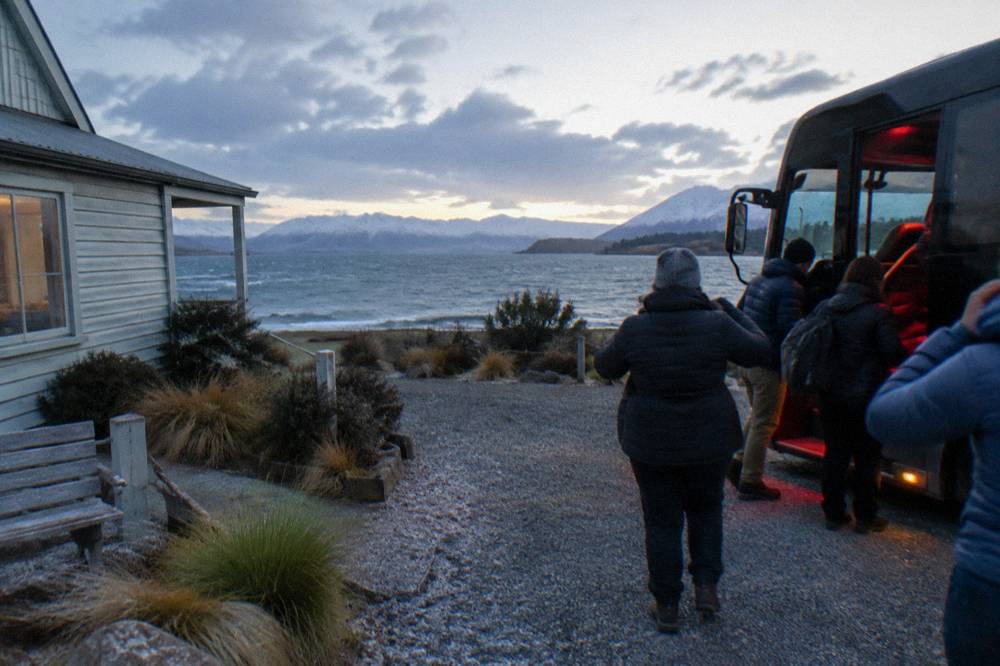
Tour start times follow the darkness, so they move with the season: expect departures from late evening toward midnight in the December to January window, and much earlier, from around 7pm onward, in the June to July depths of winter. The exact departure time is set by each operator and shown at booking, so check it there rather than assuming an evening slot.
The reason is in the table above. A tour cannot start before the sky is dark, and astronomical darkness in late December does not begin until between 23:26 and 23:54. That means a summer tour is functionally a midnight activity, which surprises a lot of visitors who planned a relaxed evening and an early start the next day. In June, by contrast, darkness is fully established before 19:00, so a stargazing tour can sit neatly after dinner.
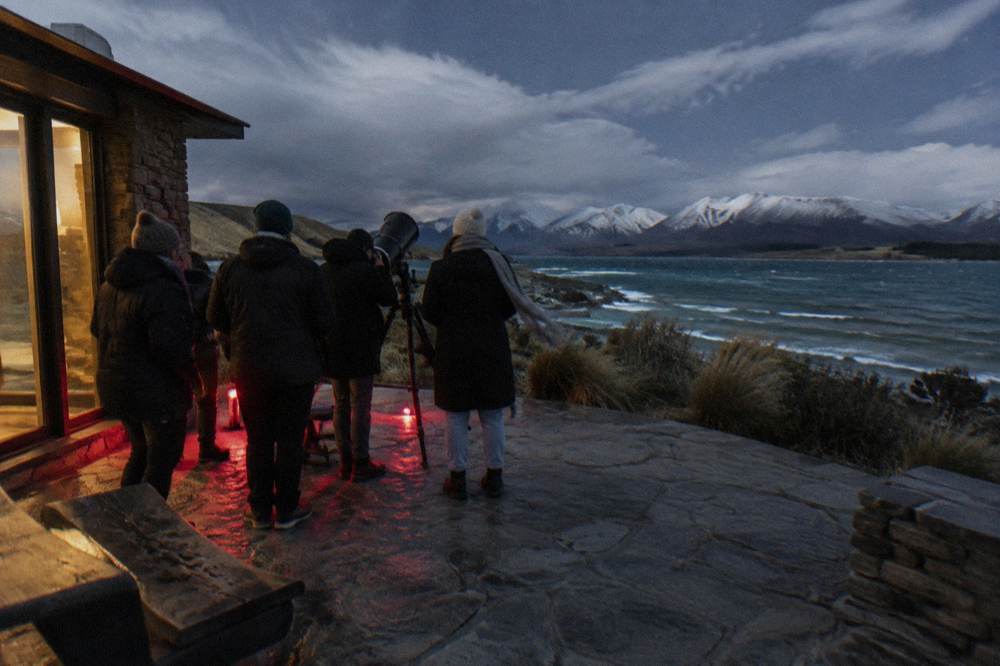
Durations vary too, which affects how your night is shaped. The tours covered here run from 45 minutes for the indoor Dark Sky Cultural Astronomy Experience, which needs no darkness at all, up to 2 hours for the Ultimate Stargazing Experience. The Mount John Summit tour is 1 hour 45 minutes including coach time, and most of the small-group Tekapo options run 75 to 90 minutes. If darkness only arrives at 23:30, a 90 minute tour ends past 1am.
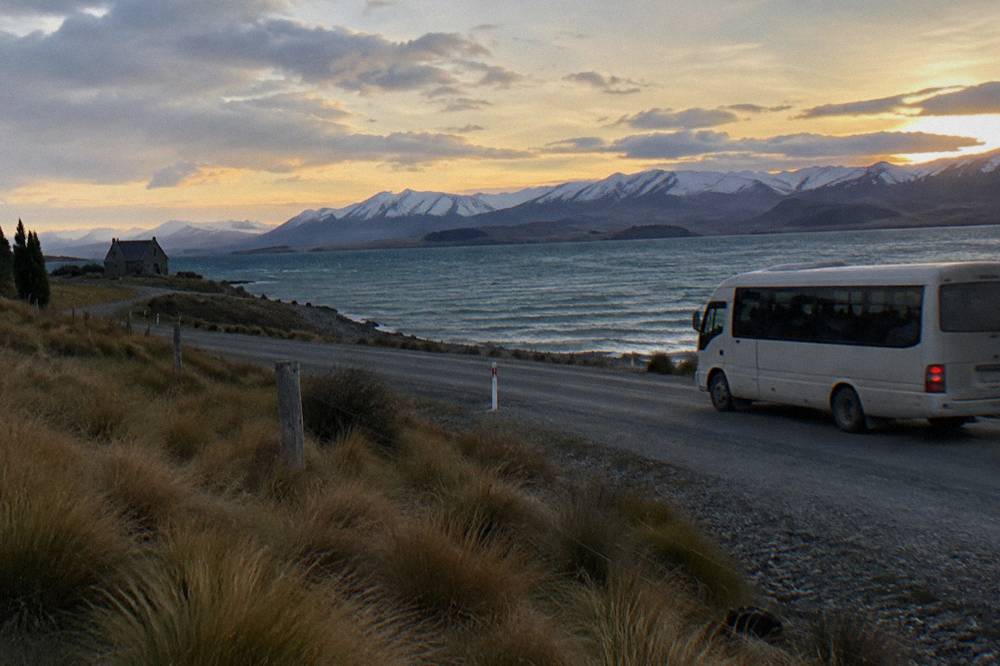
One more scheduling point that trips people up in summer: Tekapo is about three hours by road from both Christchurch and Queenstown, and the mountain roads, SH8 and SH80, can carry black ice, frost, freezing fog and stock or wildlife at night in the cold months. A midnight summer start is a drive back in the dark; a winter 7pm start can mean the same on ice. The NZTA Journey Planner is the reference for conditions, and it is worth a look before you drive any of these roads at night. A deeper walk-through of start times sits in the guide to when the stars come out on Tekapo tours.
How Far Ahead Should You Book A Tekapo Stargazing Night?
Book as soon as your travel dates are firm, especially within a few nights of a new moon, because the darkest nights are the ones everyone else wants too. Same-day booking can be possible with some operators, but tours often sell out, and all 12 booking pages here state free cancellation up to 24 hours before the start for a full refund, so early booking costs you little flexibility.
The economics of a dark sky make this worse than a normal tour. Around a new moon there are only a handful of prime nights a month, and in peak season the whole visitor flow of Tekapo is competing for the same seats. The small-group tours cap at 10 to 14 guests in most cases, so a single coach group can fill a departure. The math is simple: 12 moon-free dark nights in December 2026 against a village that empties and refills daily.
The cancellation wording is the thing that makes early booking safe. Free cancellation up to 24 hours before the start for a full refund appears on all 12 booking pages for the tours covered here. That lets you lock a date months ahead, watch the forecast, and still walk away penalty-free the day before if the sky looks hopeless. The weather policies beyond that point are operator-specific and genuinely different from each other, which is the next question.
Which Operator Handles A Cloudy Night Best At Lake Tekapo?
Each operator sets its own cloud policy, and they differ: Dark Sky Project offers an indoor alternative, reschedule, voucher or refund; Astro Tekapo offers a full refund if sky conditions are too cloudy; Tekapo Springs runs its Hot Pools tour with an indoor virtual reality session instead and a 25 percent refund if telescope viewing falls under 30 minutes. Silver River offers a reschedule or refund by preference and availability.
This matters for timing because it changes what a "bad" night costs you. If your dates are fixed and you only have one possible night, an operator with a generous refund path protects you. If you have several nights in the area, a reschedule-first operator lets you roll with the weather rather than lose the booking. Neither approach is better in the abstract; they suit different trip shapes.
The Twizel Stargazing Tour with an Astronomer and Telescope, from Stargaze Mackenzie, states it runs only in clear conditions, and if weather cancels you are notified and offered a refund or a reschedule. It is rated 5.0 across 77 reviews, runs 1 hour 15 minutes from $67.00 per person, and meets at 50 Kate Cameron Drive in Twizel, which sits between Tekapo and Mount Cook. For travellers with a car and multiple nights in the Mackenzie, a Twizel-based night is a genuine second bite at the sky if Tekapo's forecast turns.
For comparison, the Alpine Stargazing Experience with a Guide, from Silver River Stargazing, is from $56.00 per person, rated 4.6 across 864 reviews, and runs 1 hour 15 minutes from a private 50,000-acre farm site reached by shuttle after check-in at 12 Rapuwai Lane in Tekapo. Its cloud policy is reschedule or refund by preference and availability. The Chameleon Stargazing Shared Tour, from $73.00 and rated 4.9 across 789 reviews, caps groups at 14 and includes hot chocolate, marshmallows and a digital souvenir photo. The details behind these and the other nine tours are compared in the full Lake Tekapo stargazing tours guide.
Should You Time Your Trip Around Season Or Around The Moon?
Prioritise the moon over the season if you must choose: a new moon in any month beats a full moon in the "best" month, because the Moon's effect on faint stars is larger than seasonal differences. Then let the season shape comfort and schedule: winter for early starts and long darkness, the March to May and August to October shoulders for early darkness without the harshest cold.
Worked examples make this concrete. A traveller in early-to-mid December 2026, near the new moon on the 9th gets 12 moon-free nights that month, but darkness starting past 23:26, so a late night for a short viewing window. A traveller in early May 2027, near the new moon on the 6th gets 21 moon-free nights, darkness from before 19:30, and a genuine winter cold-management job. A traveller in late September 2027 can pick either new moon, 1 or 30 September, with 8.1 to 9.6 hours of darkness and 18 moon-free nights, in shoulder-season cold. All three can produce a memorable night, weather permitting.
The reason to keep the season secondary is that its costs are manageable while the moon's are not. Cold is solved with thermals, loaned jackets where offered, and the right tour; a bright Moon cannot be dressed around. Dark Sky Project says it cannot guarantee clear skies, the Milky Way or the Aurora Australis, and no operator in the region can. What you can guarantee, from a calendar, is that you are standing under darkness rather than moonlight when the sky does cooperate.
That is also why a night or two of buffer helps. Booking one stargazing night on the first evening of a three-night stay leaves no fallback; booking the second or third night leaves room to move if the first cancels for cloud. Free cancellation up to 24 hours before the start for a full refund, stated on all 12 booking pages here, is the tool that makes a flexible plan cost nothing extra. More on the trade-offs sits in the guide to Tekapo weather and cloud cancellations.
Finally, a note on what success looks like. Lake Tekapo Stargazing exists because this basin holds one of the largest protected night skies in the Southern Hemisphere, at 4,367 square kilometres, held partly by district plan lighting rules. A new-moon winter night here, weather permitting, is the ceiling. A full-moon summer night is still a night under a sky most cities never see. Time it as well as you can, book the night you can actually attend, and let the sky do the rest.
Common Questions About Lake Tekapo Stargazing
What Is The Best Time For Lake Tekapo Stargazing?
A moon-free night between roughly March and October, when darkness runs 6 to 11.5 hours and 17 to 21 nights a month give three or more moon-free dark hours. Aim within a few days of a new moon, and expect summer tours to start very late, sometimes near midnight.
Is Winter The Best Season For Stargazing At Lake Tekapo?
Winter gives the longest darkness, 11.3 to 11.5 hours a night in June, and Dark Sky Project says winter months are often the clearest and darkest. No season is guaranteed, and winter demands serious cold-weather clothing, but it offers the most viewing hours.
Does A Full Moon Ruin A Lake Tekapo Stargazing Tour?
A full moon washes out faint stars and the Milky Way, in Dark Sky Project's own wording. The Moon, planets and bright clusters remain good targets, so a full-moon tour can still work, but it is not the night for faint deep-sky detail.
How Late Do Stargazing Tours Start In Summer At Tekapo?
Darkness in December does not begin until between 23:26 and 23:54, so summer tours can start close to midnight. Check each tour's departure time at booking, since operators shift start times with the season.
Can I Cancel A Stargazing Tour If The Weather Looks Bad?
All 12 booking pages for the tours covered here state free cancellation up to 24 hours before the start for a full refund. Weather policies after that point differ by operator, so read each tour's own terms before booking.
How Far Ahead Should I Book A Tekapo Stargazing Tour?
Book once your dates are firm, especially near a new moon in peak season, because group sizes are small and tours often sell out. Same-day booking can be possible but is not something to rely on.