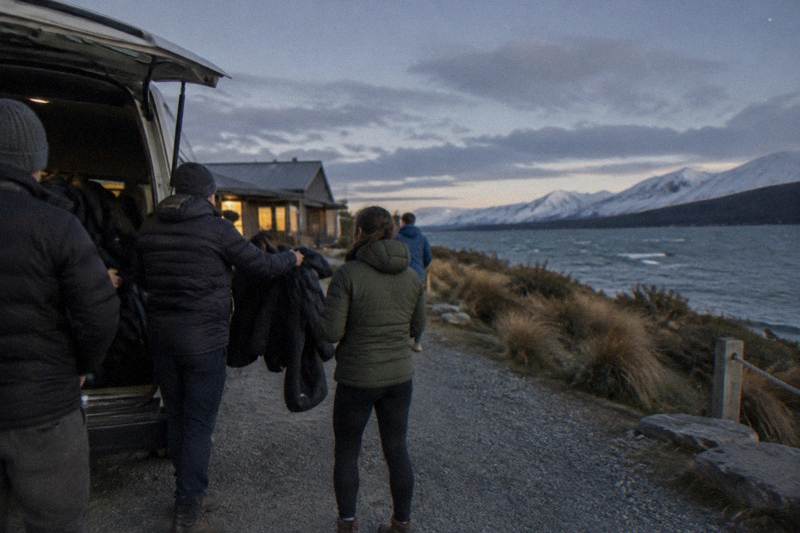
Is A Tekapo Stargazing Tour Worth It?
A straight verdict on whether a paid stargazing tour at Lake Tekapo is worth the money, comparing prices, durations and review pools across the main Tekapo operators.
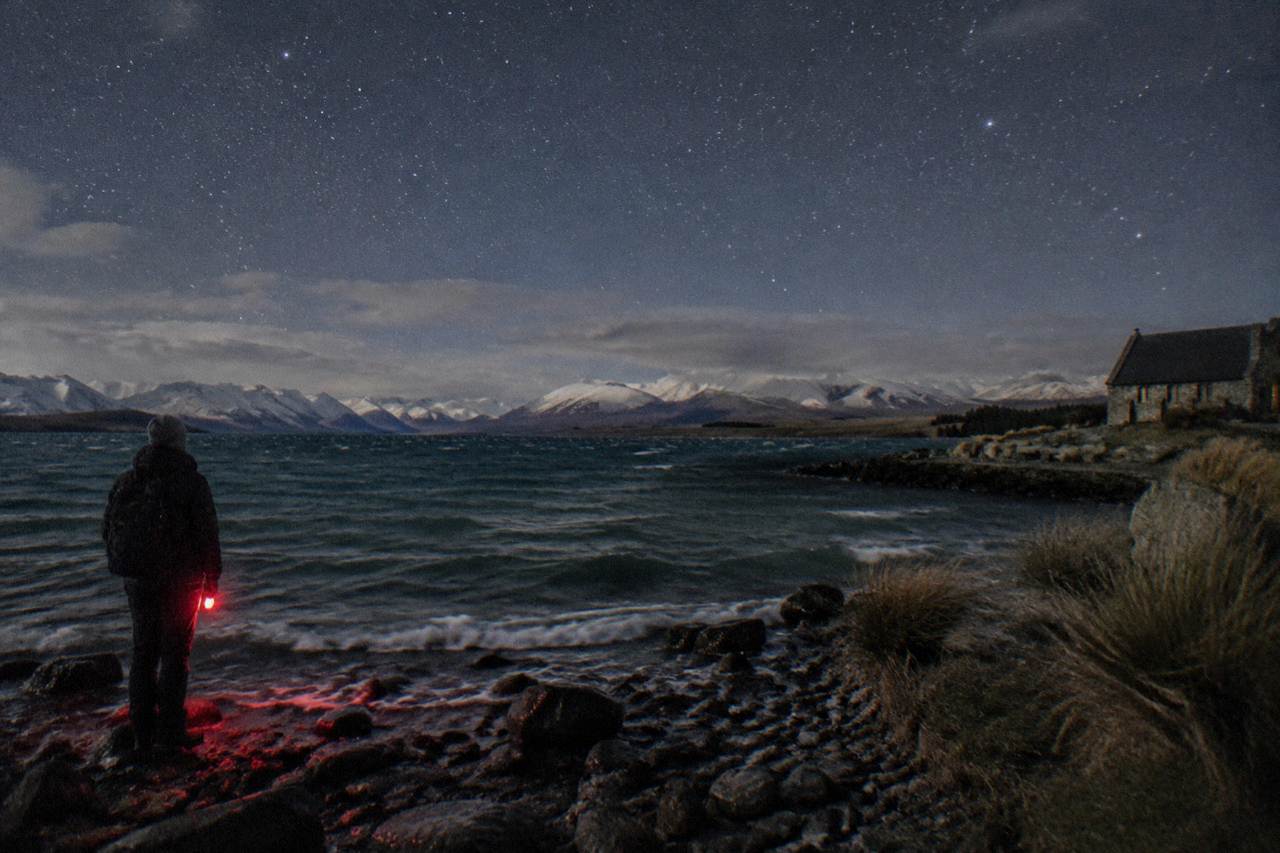
For most visitors, yes: a Lake Tekapo stargazing tour is worth the money, because the from $56 to $135 ticket buys a telescope, a guide who can name what you are looking at, warmth, seating and a viewing site away from village lights. Whether it is worth it for you personally depends on your budget, the season and whether free stargazing from the lakefront already satisfies you. The verdict below splits by traveller type.
Lake Tekapo sits inside the Aoraki Mackenzie International Dark Sky Reserve, a 4,367 square kilometre zone designated in 2012 that covers Aoraki / Mount Cook National Park and the Mackenzie Basin. DarkSky International lists it as an International Dark Sky Reserve, and the district plan lighting rules across the basin. That protection is why the sky here can be striking, and it is also why plenty of travellers wonder whether they need a tour at all.
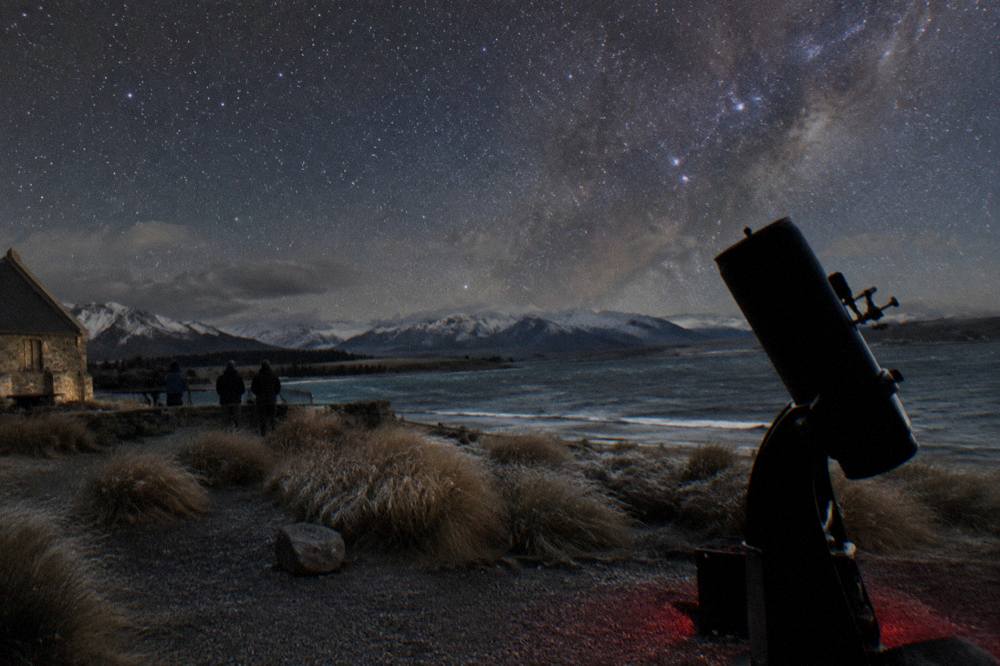
The short version: you do not need a tour to see stars at Lake Tekapo. You do need one to see them through a 9.25 inch or 14 inch telescope, to have someone trace constellations with a laser, and to avoid standing in a cold paddock in street shoes at midnight.
The Chameleon Stargazing Shared Tour is the highest rated of the three, at 4.9 across 789 reviews at from $73 per person, and it bundles the small comforts that make a cold night pleasant: seats, blankets, hot chocolate with marshmallows and a digital souvenir photo, capped at 14 guests. The Alpine Stargazing Experience with a Guide is the budget anchor of the comparison, from $56 per person with a 4.6 rating across 864 reviews, run on a private 50,000 acre farm with 14 inch telescopes and loaned warm jackets. The Mount John Summit Stargazing Experience is the premium option at from $135 per person, rated 4.6 across 348 reviews, and it is the only one that puts you beside a working research observatory at 1,029 metres.
A deeper comparison of every operator on the lakefront, including the Cowan's Observatory crater experience and the hot pools night, sits in the Lake Tekapo stargazing tours compared guide, and the question of what you can see on a Lake Tekapo stargazing tour is covered in its own post.
How Much Does A Lake Tekapo Stargazing Tour Cost?
Outdoor Tekapo stargazing tours run from $56 to $135 per person, with most options clustered between $56 and $78. Alpine, the Mt Cook tour and the Twizel Zen tour tie at the bottom at $56 each, Astro Tekapo is from $59, Chameleon from $73, Cowan's Observatory from $78, the hot pools night from $102.63, the Ultimate experience from $125.56 and the Summit from $135. The indoor Dark Sky session is from $34.70 but is not stargazing.
Those figures are the honest anchor of any worth-it verdict, because the price spread is more than double from the cheapest outdoor night to the dearest. What the spread buys is not darkness, since the whole basin shares the same protected sky. It is access: a telescope size, a guide, a viewing site, warmth and extras, and the table below shows how the four most compared Tekapo tours stack up. The clearest case of paying for warmth rather than a better sky is the pools-and-telescopes combo, and the verdict on the Tekapo Springs hot pools and stargazing tour covers its price, inclusions and cloud policy in detail.
| Tour | From (USD, per person) | Rating and reviews | Duration | Group max | Min age |
|---|---|---|---|---|---|
| Alpine Stargazing Experience with a Guide | $56.00 | 4.6 across 864 reviews | 1 hour 15 minutes | 10 | Not stated |
| Chameleon Stargazing Shared Tour | $73.00 | 4.9 across 789 reviews | 1 hour 30 minutes | 14 | 5 |
| Hot Pools and Stargazing (Soak in the Stars) | $102.63 | 4.3 across 121 reviews | 1 hour 30 minutes | Not stated | 10 |
| Mount John Summit Stargazing Experience | $135.00 | 4.6 across 348 reviews | 1 hour 45 minutes | Not stated | 10 |
Reading the table this way makes the value logic visible. Chameleon costs $17 more than Alpine and, on a per-review basis, carries the strongest satisfaction signal on the lakefront: 4.9 across 789 reviews is a large pool at a very high average. The Summit costs more than double Alpine and adds the coach ride up Mount John, the observatory dome and a 16 inch telescope inside it, plus a loaned extreme-cold jacket. The hot pools night is a different product altogether, pairing the springs with a guided sky session.
A reader asking whether a tour is worth it is usually one decision away from booking, and the practical reassurance is that every tour covered here carries free cancellation up to 24 hours before the start for a full refund. That softens the risk of committing before you know the forecast.
If Chameleon looks like the right fit, the Chameleon Stargazing at Lake Tekapo guide walks the full check-in detail, and you can also check availability beside it. Two practical notes from the operator: check-in is at 70 Andrew Don Drive, about a 4 minute drive or 25 minute walk from the village, and booking is online only, arriving 10 to 15 minutes early.
What Does A Paid Lake Tekapo Tour Include That Free Stargazing Does Not?
A paid Tekapo tour buys a telescope or two, a guide with a laser, warmth or at least seating, a dark viewing site beyond the village glow, and on several tours a hot drink and a photo. Free stargazing buys the same sky with none of those, plus cold feet and guesswork about what you are looking at. That gap, not the sky itself, is what the ticket pays for.
The sky over Lake Tekapo is free, and the free option is genuinely good. The free stargazing spots at Lake Tekapo guide covers where to stand, and on a clear, moon-free night a pair of naked eyes can pick out a great deal from the lakefront. The reserve's darkness does the heavy lifting, not the ticket.
What the ticket adds is layered. Telescopes feature on many of the tours here, from the 9.25 inch instruments on the Chameleon and Astro Tekapo nights to the 14 inch telescopes on the Alpine farm site and at Cowan's Private Observatory, and the 16 inch telescope inside the Mount John dome. A guide turns a scatter of points into names and stories, and on the Summit night the guides share astrophotography tips. Warmth matters more than people expect: Dark Sky Project notes it is cold at night even in summer, and the Summit at 1,029 metres has high wind exposure and often snow in winter. Two tours state loaned jackets, the Summit and Silver River's Alpine night; Chameleon supplies seats and blankets, Astro Tekapo a moon chair and fleece blanket.
| What you get | Free lakefront stargazing | Typical paid Tekapo tour |
|---|---|---|
| Dark sky | Yes, same reserve | Yes, plus a site away from village lights |
| Telescope | No | Yes on the outdoor tours covered here |
| Guide and laser pointing | No | Yes on all guided tours |
| Warmth or seating | Bring your own | Jackets on Summit and Alpine; seats and blankets on Chameleon |
| Hot drink | No | Chameleon, Astro Tekapo and the hot pools night |
| Photo | Your own | Chameleon, Alpine, Ultimate and others include a digital photo |
The photo row deserves a mention in a worth-it discussion, because a smartphone will not capture the Milky Way unaided. Tours that include a digital souvenir photo hand you the keepsake that free stargazing cannot. Photos are allowed on the Summit with the flash off, and the guides there help with settings.
Which Lake Tekapo Stargazing Tour Is Worth It For Whom?
For budget travellers and first-timers, Alpine at from $56 is the strongest value on the lakefront. For comfort-seekers and couples, Chameleon at from $73 with 789 reviews at 4.9 is the safest booking on the lake. For astronomy-minded visitors, the $135 Summit experience is the one that reaches a research observatory. Families with young children should match minimum ages carefully before anything else.
The budget case is straightforward. Alpine is tied with two other tours as the cheapest outdoor night covered here, from $56 per person, and its 864 reviews make it the most reviewed Tekapo-area stargazing tour of any on this site. It runs at a maximum of 10 guests on a private 50,000 acre farm with 14 inch telescopes, astro-lasers, loaned down jackets and a complimentary digital photo. That is a complete stargazing night at the lowest outdoor price on the lakefront.
The comfort case points to Chameleon. Its 90 minutes are structured as about 30 minutes of naked-eye orientation followed by telescope time, which suits anyone who wants to understand the sky rather than only look through it. The group maximum is 14, the minimum age is 5, and the inclusions list, hot chocolate and marshmallows, seats, blankets and a souvenir photo, reads like it was written by someone who has stood in a cold paddock before.
The astronomy case is the Summit. Mount John is the University of Canterbury's research observatory, New Zealand's largest professional research observatory, with four research-grade telescopes used throughout the year. Visitors cannot drive up in the evening; night access is the operator's coach only, which is part of what the $135 covers. The full detail is in the Mount John Observatory stargazing tour guide.
The family case is about ages, not brands. Minimum ages from the tour pages are 10 for the Summit and the hot pools night, 5 for Chameleon and the Crater experience, 6 for Astro Tekapo and 6 for the Twizel Stargaze Mackenzie tour. The indoor Dark Sky session suits a cloudy evening, but it is an indoor exhibit with no outdoor sky viewing, so it should never be booked as a substitute for stargazing.
Is The Hot Pools And Stargazing Night Worth It At Lake Tekapo?
The Soak in the Stars night, from $102.63 per person and rated 4.3 across 121 reviews, is worth it for visitors who want an evening out rather than an astronomy session. It pairs exclusive evening use of the Tekapo Springs hot pools with guided stargazing outside the water, a floating hammock, a wool blanket and hot drinks. It is the only tour here with hotel pickup, on request from the township.
This is the tour that answers a different question than the rest. At a 4.3 rating across 121 reviews it scores below Chameleon and Alpine, as it is a warm, social, soak-first evening with sky viewing attached, not a telescope-heavy observatory night. Booked as that, it holds up well, and the minimum age of 10 keeps the pool setting adult-leaning.
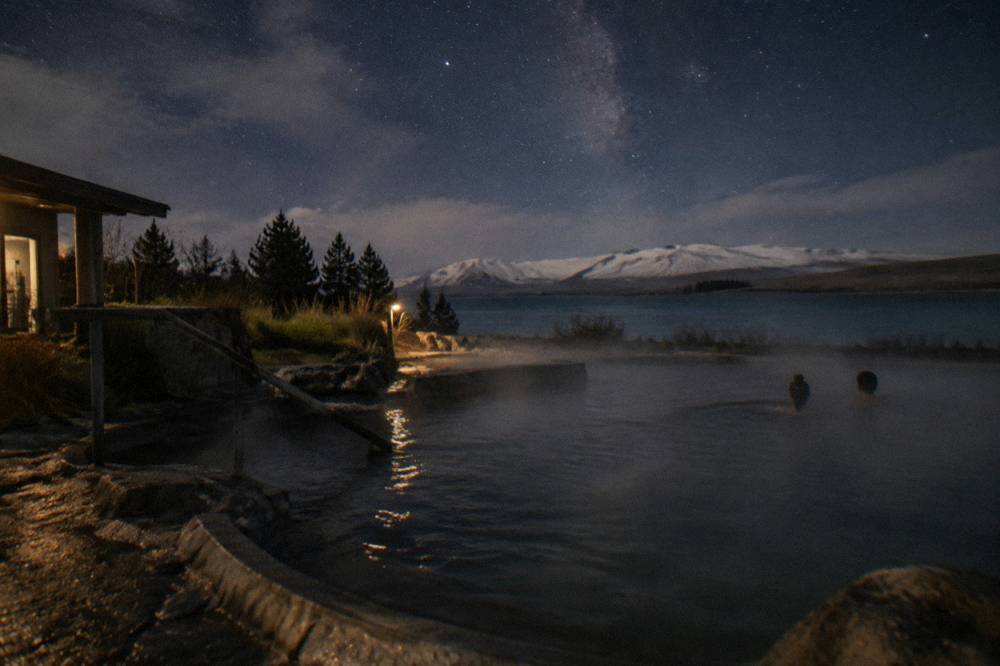
Its cloud policy is also distinctive, and worth knowing. Tekapo Stargazing runs the night even when cloud limits telescopes, switching to an indoor virtual reality session while the hot pools stay included, and a 25 percent refund applies if fewer than 30 minutes of telescope viewing happen. For a traveller worried about losing money to cloud, that structure removes most of the risk.
Whether that beats an observatory night for you is a genuine fork, and the hot pools versus observatory stargazing at Lake Tekapo comparison works through it side by side.
What Time Of Year Gives The Best Value For Lake Tekapo Stargazing?
Winter gives the longest darkness: June 2027 offers 11.3 to 11.5 hours of astronomical darkness per night, against just 3.5 to 4 hours in December. But value also depends on the moon: November 2026 has 13 nights with 3 or more moon-free dark hours, and a full moon washes out the faint stars and the Milky Way that most visitors come for.
The computed darkness numbers below are the fairest way to judge a season, and they show how lopsided the year is. Daylight saving pushes summer darkness very late: in December 2026, true astronomical darkness does not begin until between 23:26 and 23:54, while in June 2027 it starts before 19:00. A summer tour therefore starts close to midnight and compresses the viewing window, which matters if you are travelling with children or dislike late nights.
| Month | Astronomical darkness per night | Dusk range (local clock) | New moon | Nights with 3+ moon-free dark hours |
|---|---|---|---|---|
| November 2026 | 4.1 to 6 hours | 22:22 to 23:24 | 9 November | 13 of 30 |
| December 2026 | 3.5 to 4 hours | 23:26 to 23:54 | 9 December | 12 of 31 |
| March 2027 | 7.3 to 9.1 hours | 22:11 to 21:11 | 8 March | 18 of 31 |
| June 2027 | 11.3 to 11.5 hours | 18:56 to 18:58 | 5 June | 20 of 30 |
| September 2027 | 8.1 to 9.6 hours | 19:50 to 21:26 | 1 and 30 September | 18 of 30 |
Dark Sky Project says winter months are often the clearest and darkest, and that moon-free nights are darkest, which matches the table: the moon-free counts peak in May and June. No month is guaranteed anything, and no operator can promise a clear or moonless night, so the practical play is to book near a new moon, keep the 24 hour cancellation window in mind, and treat the forecast as indicative. The moon phase calendar for Lake Tekapo stargazing guide carries the full list of new and full moon dates.
When Is A Tekapo Stargazing Tour Not Worth It?
A paid tour is not worth it if you already travel with your own telescope and dark-site experience, if your dates are locked to a full moon, or if the budget cannot absorb from $56 to $135 per person for something the lakefront gives free. It is also poor value for children under each tour's minimum age.
Honesty cuts both ways in a worth-it verdict. If you own a telescope and know the southern sky, a guided night may feel slow, and the free lakefront or a short drive out of the village will serve you better. If your visit falls over the full moon of 25 November 2026 or 24 December 2026 and faint-object viewing is your only goal, remember that a full moon washes out faint stars and the Milky Way, in Dark Sky Project's own wording; you will still see bright stars and the Moon itself brilliantly through a telescope, but the faint deep-sky objects that justify a big instrument are the first casualty.
Budget matters too, and the arithmetic should be done in front of you rather than after booking. A party booking the Summit experience pays from $135 per person, while the same party on the Alpine night pays from $56 each, so the per-head difference between the premium and budget nights on the same lake is larger than the entire cost of the cheaper tour. Neither number is wrong, but it is a real gap to weigh. The what to wear on a Lake Tekapo stargazing tour guide is the other half of the value question, because arriving underdressed can shorten a night you paid full price for.
Cloud is the final factor, and it is operator-specific. Dark Sky Project decides as close to departure as possible and offers an indoor alternative, a reschedule, a voucher or a refund if outdoor stargazing is not possible, and notes that low cloud is often blocked by the basin's topography, so cloud alone does not always cancel. Astro Tekapo offers a full refund if sky conditions are too cloudy, and Stargaze Mackenzie runs only in clear conditions, notifying guests and offering a refund or reschedule. The weather and cloud cancellations guide carries each operator's terms in full.
So, Is A Tekapo Stargazing Tour Worth The Money?
Yes, for the large majority of visitors, with one condition: match the tour to the traveller. The $56 Alpine night is worth it for almost anyone, the $73 Chameleon night is worth it for comfort and families with over-5s, the $135 Summit is worth it for astronomy enthusiasts, and the hot pools night is worth it as an evening out. Free stargazing remains the right answer only for the well-equipped or the very tight of budget.
The reason the verdict lands on yes is the review evidence, not enthusiasm. The three most reviewed outdoor tours on the lakefront, Alpine at 4.6 across 864 reviews, Chameleon at 4.9 across 789 reviews and the Summit at 4.6 across 348 reviews, add up to about 2,000 reviews rated between 4.6 and 4.9 afterwards. That is about as strong a satisfaction signal as the activity category produces anywhere in New Zealand.
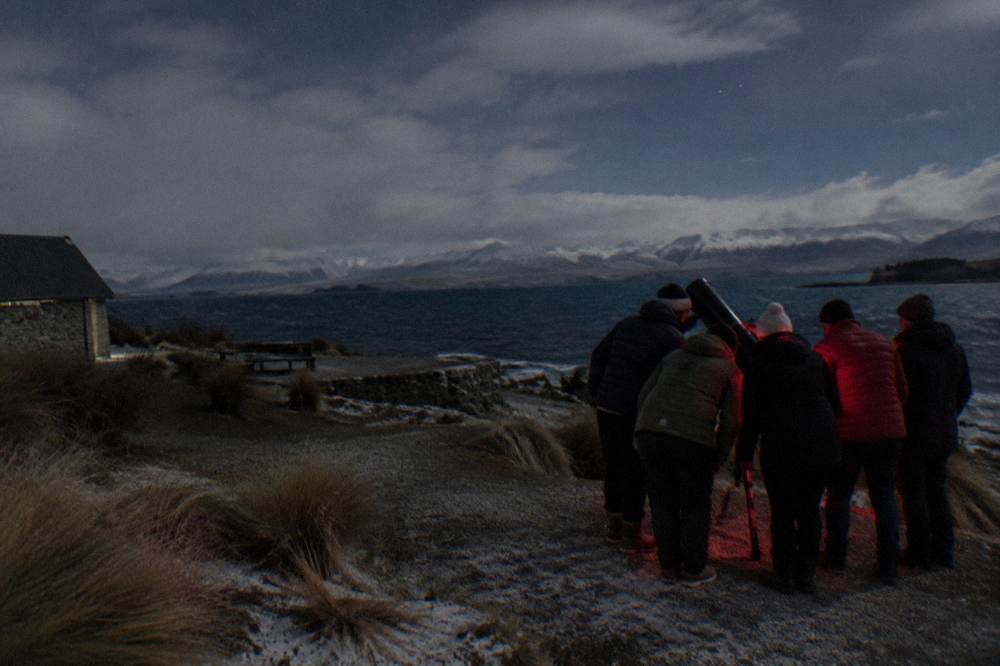
The second reason is the reserve itself. Aoraki Mackenzie's 4,367 square kilometres of protected darkness, held in place by district plan lighting rules since 2012, means the underlying asset is real, and a guide with a telescope simply extracts far more of it than an unaided visitor standing at the lakefront. Lake Tekapo Stargazing exists as a site because that gap is worth explaining rather than asserting.
Practical booking notes finish the case. Every tour here carries free cancellation up to 24 hours before the start for a full refund, and Dark Sky Project notes same-day booking can be possible but tours often sell out, so high season rewards booking ahead. Dress for cold regardless of month, check in 10 to 20 minutes early depending on the operator, and if your heart is set on a particular tour, check its dates early.
For travellers pairing the night with a wider South Island sky trip, the reserve extends to Aoraki / Mount Cook village, about 1 hour 15 minutes away, and Twizel sits between, so the Aoraki Mackenzie dark sky reserve stargazing tours guide is the natural next read. The Hermitage runs its own Big Sky Stargazing in the national park as a neighbouring option if you base there instead.
Common Questions About A Tekapo Stargazing Tour
Is A Tekapo Stargazing Tour Worth It?
For most visitors, yes. The sky is free, but the from $56 to $135 ticket buys telescopes, a guide, warmth, seating and a dark site beyond the village glow, and the most reviewed tours rate 4.6 to 4.9 across hundreds of reviews each. Match the tour to your budget and interests and it earns its price.
What Is The Cheapest Stargazing Tour At Lake Tekapo?
The cheapest outdoor nights covered here are a three-way tie at from $56 per person: the Alpine Stargazing Experience with a Guide at Lake Tekapo, the Mt Cook Stargazing Experience and the Japanese-language Zen tour in Twizel. The $34.70 indoor Dark Sky session is an indoor exhibit, not outdoor stargazing.
Can You See The Stars At Lake Tekapo Without A Tour?
Yes. The lakefront and spots just outside the village sit inside the same dark sky reserve, and on a clear, moon-free night free stargazing can be very good. A tour adds the telescope, the guide, the warmth and a darker site, which is what the ticket actually pays for.
Which Lake Tekapo Stargazing Tour Is Best For Families?
Check minimum ages first: 5 for the Chameleon and Crater tours, 6 for Astro Tekapo, and 10 for the Summit and the hot pools night. Chameleon, with seats, blankets, hot chocolate and a 14-guest maximum, is the most family-complete night on the lakefront for children over 5.
Do Tekapo Stargazing Tours Get Cancelled For Cloud?
It depends on the operator. Dark Sky Project decides close to departure and offers an indoor alternative, reschedule, voucher or refund if outdoor viewing is not possible. Astro Tekapo offers a full refund when it is too cloudy, and Tekapo Stargazing runs the hot pools night with an indoor session instead and a 25 percent refund under 30 minutes of telescope viewing.
Is A Tekapo Stargazing Tour Worth It In Summer?
Yes, but the nights are short and late. December 2026 has only 3.5 to 4 hours of true darkness per night, starting between 23:26 and 23:54, so tours begin very late. Winter offers far longer darkness, with June 2027 giving 11.3 to 11.5 hours per night, and no season can promise clear skies.